A few months ago, I visited a preschool as part of a casual school tour, expecting to see what most people traditionally imagine when they think of early education. I assumed I would find rows of children doing the same activity at the same time while teachers guided the class in one fixed direction. Instead, what I witnessed completely changed my understanding of how young children can learn.
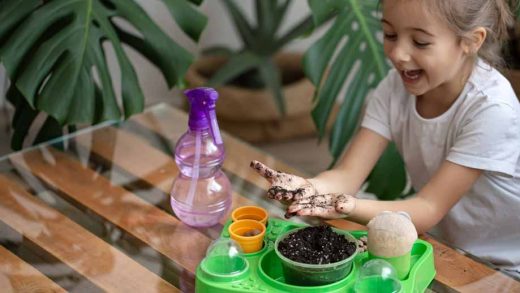
In one corner of the classroom, a small group of children was listening to a story and acting out characters in imaginative role-play. Nearby, another child quietly explored painting and textures while a teacher gently encouraged conversation about colours and emotions. A few children were building structures together using blocks, solving problems collaboratively and discussing their ideas excitedly. What fascinated me most was that no child seemed disconnected or left behind. Each child was deeply engaged, but in very different ways.
When I spoke to the teachers, they explained that the classroom followed a model of personalised learning, where activities are adapted to each child’s interests, pace, strengths, and developmental needs. Some children learned best through movement, others through storytelling, art, music, or hands-on exploration. Rather than forcing every child into the same learning pattern, the environment was designed to support multiple ways of thinking and learning.
Watching those children interact so naturally and confidently made me realise something important. Personalised learning is not about making education easier. It is about making learning more meaningful, emotionally supportive, and developmentally appropriate for every child.
What Is Personalised Learning in the Classroom?
At its core, personalised learning in the classroom means adapting teaching approaches to meet the individual needs, strengths, interests, and learning styles of each child.
Rather than expecting all children to:
- Learn at the same pace
- Respond to the same methods
- Demonstrate understanding in identical ways
…teachers create flexible learning experiences that support different developmental needs.
This approach is especially important during the preschool years, when children develop rapidly and in unique ways.
Why Personalised Learning Matters in Early Childhood
No two children learn exactly alike.
Some children:
- Learn through movement
- Respond better to stories
- Enjoy visual exploration
- Prefer hands-on experiences
Traditional one-size-fits-all methods often fail to support these differences effectively.
This is why personalised learning in the classroom has become increasingly important in modern preschool education.
How Preschoolers Naturally Learn
Young children learn best through:
- Exploration
- Play
- Observation
- Conversation
- Creativity
They are naturally curious and emotionally responsive.
A personalised approach recognises these developmental realities rather than relying heavily on rigid instruction.
What Personalised Learning Looks Like in Practice
Many parents imagine personalised learning as technology-driven or highly academic. In preschool settings, however, it often looks much simpler and more natural.
Examples Include
- Different activity choices within the same lesson
- Flexible learning stations
- Child-led exploration
- Small-group interaction
- Observation-based teaching
These approaches allow teachers to respond to individual learning patterns effectively.
The Role of Teachers in Personalised Learning
Teachers play a central role in successful personalised learning in the classroom.
Teachers Observe and Adapt
They pay attention to:
- Interests
- Emotional responses
- Attention spans
- Communication styles
- Developmental progress
Rather than forcing uniform outcomes, teachers guide children according to their unique learning journeys.
Learning Through Play and Exploration
Play-based learning naturally supports personalised education by allowing children to engage with the same environment in different ways.
One Activity, Multiple Learning Paths
For example:
- One child may enjoy building blocks creatively
- Another may focus on counting or patterns
- Another may use the blocks for storytelling
This flexibility is one of the strengths of personalised learning in the classroom.
Read More: How Kangaroo Kids Approaches Social-Emotional Learning in the Classroom
The Role of Education in Promoting Creativity
Modern education increasingly recognises the role of early childhood education in promoting creativity.
Creativity helps children:
- Solve problems
- Express emotions
- Build confidence
- Think independently
Personalised learning environments encourage creativity by allowing children to explore ideas freely without excessive fear of mistakes.
Art and Creative Expression in Personalised Learning
Art plays a major role in helping children express themselves individually.
What Is the Role of Art in Education?
Many educators now ask, what is the role of art in education beyond creativity alone.
Art supports:
- Emotional expression
- Fine motor development
- Observation skills
- Independent thinking
In personalised preschool classrooms, art is often used as a tool for exploration rather than simply producing “perfect” outcomes.
Role of Education in Skill Development: Painting and Creative Activities
The role of education in skill development is often underestimated in early childhood.
Painting and creative exploration help children:
- Build focus
- Improve coordination
- Express imagination
- Strengthen decision-making skills
Children may use colours, textures, and shapes differently based on their personalities and developmental stages.
This flexibility reflects the deeper value of personalised learning in the classroom.
Emotional Development Through Personalised Learning
Children learn more effectively when they feel emotionally secure and understood.
Benefits Include
- Greater confidence
- Reduced learning anxiety
- Improved participation
- Better communication
When teachers recognise emotional differences among children, classrooms become more supportive and inclusive.
Importance of Skill Development in Education
The importance of skill development in education has become increasingly relevant worldwide.
Modern learning focuses not only on academic performance, but also on:
- Creativity
- Communication
- Collaboration
- Emotional intelligence
- Adaptability
Personalised preschool environments help nurture these future-ready skills naturally.
Indian Context: Why Personalised Learning Is Growing
Traditional Indian classrooms often prioritised:
- Uniform teaching methods
- Memorisation
- Academic performance
However, modern Indian parents increasingly seek schools that support:
- Holistic development
- Emotional growth
- Creativity
- Individual strengths
This shift has made personalised learning in the classroom more important in Indian preschool education.
Technology and Personalised Learning
Educational technology can support personalised learning when used thoughtfully.
Effective Use of Technology Includes
- Interactive storytelling
- Adaptive learning activities
- Creative exploration platforms
- Parent-child collaborative learning
However, technology should support human interaction rather than replace it.
Parent Involvement in Personalised Learning
Children benefit most when schools and parents work together.
How Parents Can Help
Parents can:
- Observe their child’s interests
- Encourage open-ended play
- Avoid excessive comparison
- Support creativity at home
This continuity strengthens the impact of personalised learning in the classroom.
Common Misconceptions About Personalised Learning
It Is Not “Easy” Learning
Children are still challenged appropriately based on their developmental readiness.
It Does Not Mean No Structure
Personalised classrooms still follow learning goals and routines.
It Is Not Only for Advanced Learners
Every child benefits from learning approaches tailored to their needs.
Understanding these misconceptions helps parents appreciate the real value of personalised learning.
Why Emotional Safety Matters in Learning
Children who fear criticism or comparison often become hesitant learners.
Personalised classrooms create environments where children feel:
- Safe exploring ideas
- Comfortable making mistakes
- Encouraged to participate
This emotional security improves both confidence and learning outcomes.
Learning Beyond Academics
Modern preschool education increasingly focuses on:
- Social interaction
- Emotional awareness
- Curiosity
- Communication skills
These experiences shape long-term development more deeply than early academics alone.
Long-Term Benefits of Personalised Learning
Children who experience personalised learning environments often:
- Develop stronger self-confidence
- Show greater creativity
- Build independent thinking skills
- Adapt more comfortably to challenges
These qualities remain valuable throughout life.
Global Relevance of Personalised Learning
Across the world, education systems are moving toward:
- Child-centered learning
- Experiential education
- Inquiry-based classrooms
- Holistic development approaches
This reflects growing recognition that children thrive when education adapts to them rather than the other way around.
Read More: Why Kids Need Personalised Learning: Top 10 Reasons
Last Thoughts
Discovering Kan’s World unexpectedly at my cousin’s home completely changed my understanding of what preschool learning can look like today. What stood out most was not the technology or activities themselves, but the way each child was encouraged to learn differently according to their own interests, strengths, and pace.
That experience revealed the true value of personalised learning in the classroom. Children are not identical learners, and they should not be expected to grow in identical ways. Some thrive through storytelling, others through art, movement, conversation, or hands-on exploration. Effective preschool environments recognise and nurture these differences thoughtfully.