I recently visited a close friend’s home just before her daughter turned four. While we chatted over tea, her little girl quietly sat beside us with a basket of colourful beads. Within minutes, she had carefully threaded them into a beautiful bracelet without asking for help. Her mother smiled and said, “A few months ago she could barely hold the string steady.” That simple moment reminded me that some of the biggest achievements in early childhood are easy to overlook. We often celebrate when children learn new words or sing songs, but the small muscles in their hands are developing just as rapidly. From buttoning a shirt to confidently holding a crayon, these everyday accomplishments reflect remarkable growth that prepares children for school and everyday independence.
Strong hand movements do not develop overnight. They are built gradually through play, exploration, and repeated practice. At Kangaroo Kids, children strengthen these abilities naturally through creative, play-based experiences that encourage independence, curiosity, and joyful learning. Understanding what healthy progress looks like can help parents support their children with confidence rather than comparison.
Why Fine Motor Skills Matter
Fine motor skills refer to the ability to control the small muscles of the hands, fingers, and wrists.
Children use these muscles every day to:
- Draw
- Colour
- Turn book pages
- Stack blocks
- Fasten buttons
- Pick up small objects
These abilities influence school readiness, independence, creativity, and confidence.
Regular fine motor activities for preschoolers strengthen these essential skills through enjoyable play.
Understanding Fine Motor Development
Healthy fine motor development happens gradually.
Children move from grasping large objects as toddlers to completing more precise movements during the preschool years.
Progress depends on:
- Practice
- Opportunities for exploration
- Individual maturity
- Encouragement
Every child develops at a different pace, but steady improvement is the most important sign.
Signs Your Preschooler Is Making Healthy Progress
Parents often wonder whether their child is developing normally.
Common signs of healthy progress include:
- Holding crayons with greater control
- Picking up tiny objects using fingers
- Building taller block towers
- Turning pages one at a time
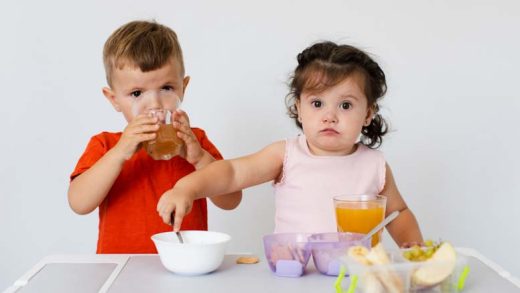
- Feeding themselves independently
- Opening simple containers
These everyday achievements reflect growing coordination and confidence.
Fine Motor Milestones Between Three and Five Years
Many fine motor milestones appear during the preschool years.
Children gradually become able to:
- Draw simple shapes
- Cut paper with child-safe scissors
- String beads
- Complete simple puzzles
- Use glue carefully
- Fold paper
These abilities support later handwriting and classroom learning.
Parents should remember that fine motor development milestones vary slightly from one child to another.
Everyday Fine Motor Activities for Preschoolers
The best learning often looks like play.
Simple fine motor activities for preschoolers include:
- Play dough
- Building blocks
- Bead threading
- Peg boards
- Sticker art
- Finger painting
These enjoyable experiences strengthen finger muscles while encouraging creativity.
At Kangaroo Kids, these activities are thoughtfully integrated into everyday classroom experiences rather than treated as isolated exercises.
Why Hand-Eye Coordination Is Important
Successful writing and drawing depend on strong coordination between vision and hand movements.
Simple hand-eye coordination activities include:
- Catching soft balls
- Pouring water between cups
- Threading beads
- Completing puzzles
- Sorting small objects
These experiences improve precision while developing confidence.
Fine Motor Skills Examples Parents Can Watch For
Parents often ask what everyday progress looks like.
Some useful fine motor skills examples include:
- Zipping a jacket
- Holding a spoon correctly
- Turning doorknobs
- Opening lunch boxes
- Picking up coins
- Building with construction toys
Each achievement demonstrates increasing independence.
Why Fine Motor Skills Development Supports Learning
Healthy fine motor skills development affects much more than handwriting.
Children also become better at:
- Art projects
- Science activities
- Practical life tasks
- Classroom organisation
- Self-care routines
Confidence grows as children become increasingly independent.
Fine Motor Skills Activities at Home
Parents do not need expensive equipment.
Simple fine motor skills activities can be part of everyday life.
Invite children to:
- Peel fruit
- Water plants
- Fold napkins
- Sort pulses
- Transfer beans using spoons
- Build towers
Everyday household activities become valuable learning opportunities.
Regular fine motor activities for preschoolers strengthen muscles while making children feel capable and involved.
How to Improve Fine Motor Skills Naturally
Parents often ask how to improve fine motor skills without turning learning into homework.
The answer is surprisingly simple.
Offer:
- Plenty of play
- Creative opportunities
- Open-ended materials
- Encouragement rather than perfection
Children strengthen their abilities through repeated experiences rather than pressure.
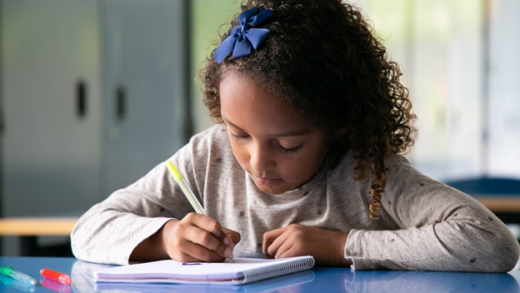
Pencil Grip for Preschoolers
Many parents worry about pencil grip for preschoolers.
At this age, grip continues developing naturally.
Children first explore crayons, markers, chalk, and paint before gradually refining control.
Teachers focus on comfortable movement rather than insisting on perfect technique too early.
Fine Motor Activities for Kindergarten Preparation
As children approach primary school, some fine motor activities for kindergarten become increasingly useful.
These include:
- Cutting along simple lines
- Tracing patterns
- Drawing shapes
- Colouring within broad outlines
- Using tweezers
These playful experiences prepare children for later classroom expectations.
Why Comparison Is Unhelpful
Some children master scissors early.
Others become confident with pencils first.
Healthy fine motor skills for preschoolers develop along individual timelines.
Parents should focus on steady improvement rather than comparing abilities with classmates or siblings.
Every child has unique strengths.
Fine Motor Skills in Early Childhood Support Independence
Healthy fine motor skills in early childhood help children become increasingly independent.
Simple daily tasks become easier, including:
- Dressing
- Eating
- Tidying toys
- Opening containers
- Carrying school materials
These achievements contribute to confidence and self-esteem.
Read More: 25 Top Activities of Gross Motor Skills for Children
How Kangaroo Kids Encourages Fine Motor Growth
At Kangaroo Kids, fine motor learning is woven naturally into everyday classroom experiences. Children engage in art, sensory exploration, construction activities, clay modelling, puzzles, threading, storytelling props, and creative projects that encourage careful hand movements while keeping learning joyful. Teachers understand that every child develops differently, so activities are designed to build confidence gradually rather than placing unnecessary pressure on performance.
This child-centred approach allows children to strengthen coordination, creativity, independence, and problem-solving skills while enjoying every stage of learning.
Last Thoughts
Developing strong hand muscles may seem like a small achievement, but it has a lifelong impact. From drawing pictures to fastening buttons and eventually writing confidently, healthy progress depends on regular opportunities to explore, create, and practise. Well-designed fine motor activities for preschoolers help children develop the coordination, confidence, and independence they need for both school and everyday life.
Parents should remember that progress is more important than perfection. Every carefully stacked block, every successful puzzle, and every colourful drawing represents another step forward. With patience, encouragement, and meaningful play experiences, children naturally strengthen these important abilities while developing a genuine love for learning.
For families looking for a preschool where creativity, independence, and skill development are thoughtfully integrated into every school day, exploring the admissions journey at Kangaroo Kids offers valuable insight into how storytelling, role-play, sensory exploration, and play-based learning nurture confident learners while building the essential skills that prepare children for lifelong success.