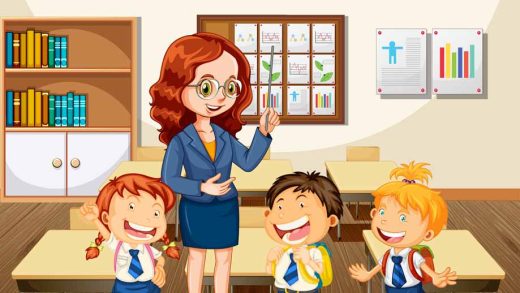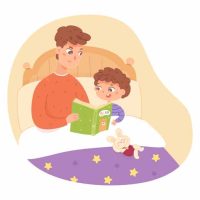
A few months ago, I visited a cousin who has two preschool-going children. Like most adults visiting a family home, I expected to see toys scattered around, cartoon channels playing in the background, and perhaps some colouring books lying around the living room. Instead, I noticed both children completely absorbed in an activity called Kan’s World. They were laughing, answering questions, interacting with stories, and moving between different learning tasks with remarkable excitement and focus.
At first, I assumed it was just another children’s app or educational game. But what caught my attention was how intentionally the activities seemed designed. The children were not passively watching screens. They were participating, thinking, responding, and discussing what they learned with their parents. My cousin explained that Kan’s World was connected to their preschool learning experience and helped continue learning at home in an engaging way.
I found myself genuinely intrigued. As someone who has often wondered how modern education can remain meaningful beyond school hours, I began exploring the concept more deeply. What I discovered was a powerful example of learning beyond the classroom, where education is no longer confined to school walls, textbooks, or fixed schedules. Instead, learning becomes continuous, interactive, and woven naturally into everyday life.
What Is Kan’s World?
Kan’s World is an interactive learning ecosystem designed to extend children’s educational experiences beyond preschool classrooms.
It combines:
- Storytelling
- Play-based learning
- Interactive activities
- Parent-child engagement
- Skill-building experiences
The platform encourages children to continue exploring concepts at home through creativity, conversation, and participation.
This approach strongly supports learning beyond the classroom, which is becoming increasingly important in modern early childhood education.
What Is Learning Beyond the Classroom?
To understand the significance of Kan’s World, it helps to first answer an important question: What is learning beyond the classroom?
Understanding the Concept
Learning beyond the classroom refers to educational experiences that happen outside traditional school settings.
This includes:
- Home-based activities
- Real-world exploration
- Family interaction
- Play and storytelling
- Digital learning experiences with purpose
The goal is to create meaningful opportunities for children to continue learning naturally throughout daily life.
Why Learning Beyond the Classroom Matters Today
Children today live in a world where information and experiences are constantly accessible.
Traditional education alone is no longer enough to prepare children for:
- Creativity
- Problem-solving
- Emotional intelligence
- Adaptability
This is why learning beyond the classroom has become an important focus for educators globally.
Children learn best when learning feels connected to real life rather than isolated within school hours.
How Kan’s World Supports Holistic Learning
Kan’s World is designed to complement classroom learning rather than replace it.
Key Features Include
- Interactive storytelling
- Skill-based activities
- Creative exploration
- Collaborative family participation
- Emotional and social learning experiences
These experiences encourage children to remain curious and engaged even after preschool hours end.
Learning Beyond the Four Walls of the Classroom
Modern early childhood education increasingly recognises the value of learning beyond the four walls of the classroom.
Children absorb information through:
- Conversations
- Observation
- Play
- Everyday experiences
Kan’s World builds on this understanding by extending learning into familiar home environments where children feel emotionally comfortable and confident.
Why Preschoolers Learn Best Through Interaction
Young children are naturally active learners.
They learn effectively when they can:
- Touch
- Explore
- Ask questions
- Participate actively
Passive memorisation is often far less effective during early childhood.
Kan’s World encourages active participation, making learning beyond the classroom engaging and meaningful for preschoolers.
Encouraging Parent Involvement in Learning
One of the strongest aspects of Kan’s World is its encouragement of parent-child interaction.
Why This Matters
Children learn better when parents:
- Participate in conversations
- Read stories together
- Explore activities collaboratively
These interactions strengthen emotional connection while reinforcing educational concepts.
This approach reflects the growing importance of learning in and out of school environments, working together.
Storytelling and Imagination in Kan’s World
Storytelling remains one of the most effective tools in early childhood education.
How Stories Support Learning
Stories help children:
- Build language skills
- Develop empathy
- Improve attention span
- Understand emotions and relationships
Kan’s World uses storytelling to create emotionally engaging learning experiences that extend naturally into home life.
Read More: Immersive Classrooms: How Kangaroo Kids Brings the World In
Building Good Habits Through Everyday Learning
Young children develop habits through repetition and routine.
Good Habits Activities for Preschoolers
Kan’s World incorporates:
- Hygiene awareness
- Responsibility-building activities
- Sharing and cooperation tasks
- Emotional expression exercises
These good habits activities for preschoolers help children apply what they learn in everyday situations.
Beyond the Classroom: Why Modern Learning Must Evolve
The phrase beyond the classroom has become increasingly important in education because learning no longer happens only in schools.
Children now learn through:
- Interactive technology
- Family engagement
- Outdoor experiences
- Creative play
Educational platforms that connect home and school environments create richer and more meaningful learning opportunities.
Learning Beyond the Classroom Education for a Changing World
The idea of learning beyond the classroom, for a changing world, reflects how rapidly childhood and education are evolving globally.
Future-ready children need:
- Creativity
- Emotional intelligence
- Collaboration skills
- Curiosity and adaptability
These abilities are developed not only through formal lessons but through continuous experiences across different environments.
Why Emotional Engagement Improves Learning
Children remember experiences that feel emotionally meaningful.
Kan’s World uses:
- Stories
- Interactive characters
- Play-based challenges
- Collaborative activities
to make learning emotionally engaging rather than purely instructional.
This emotional connection strengthens memory, participation, and curiosity.
Supporting Learning in and Out of School
One major challenge in early education is maintaining continuity between home and school.
Learning In and Out of School
When children experience similar learning approaches in both environments:
- Confidence increases
- Reinforcement becomes easier
- Learning feels more natural
Kan’s World helps bridge this gap by connecting classroom concepts with home-based exploration.
Technology and Early Childhood Learning
Many parents worry about excessive screen time, and rightly so.
However, not all digital experiences are passive or harmful.
Purposeful Educational Technology
Effective platforms encourage:
- Interaction
- Creativity
- Communication
- Problem-solving
Kan’s World focuses on guided participation rather than passive consumption, supporting meaningful learning beyond the classroom.
Indian Context: Why This Approach Matters
In many Indian households, education has traditionally focused heavily on:
- Homework
- Memorisation
- Academic performance
However, modern parenting increasingly values:
- Emotional development
- Creativity
- Communication
- Play-based learning
Kan’s World reflects this shift toward more holistic educational experiences.
Common Mistakes Parents Should Avoid
Treating Learning as Only Academic
Children also learn through:
- Conversation
- Play
- Observation
- Exploration
Over-Relying on Passive Screen Time
Interactive and collaborative experiences are far more beneficial than passive viewing.
Separating Home and School Learning Completely
Children benefit when learning continues naturally across different environments.
Avoiding these mistakes helps strengthen the true value of learning beyond the classroom.
Learning Beyond the Classroom Essay Ideas in Modern Education
The concept often explored in a learning beyond the classroom essay reflects a growing educational movement worldwide.
Educators increasingly recognise that:
- Real-world learning matters
- Emotional engagement improves retention
- Children need experiential opportunities
This shift is reshaping how early childhood education is designed globally.
Long-Term Benefits of Learning Beyond the Classroom
Children who experience continuous, meaningful learning environments often:
- Develop stronger curiosity
- Build confidence more naturally
- Communicate more effectively
- Show greater creativity and adaptability
These qualities become increasingly valuable throughout life.
Read More: Fun and Learning: Developing Executive Function Through Play
Last Thoughts
Discovering Kan’s World accidentally during a family visit completely changed how I viewed modern preschool learning. What initially appeared to be a simple educational activity soon revealed itself as something much deeper: a thoughtfully designed way to help children continue learning naturally beyond school hours.
In today’s rapidly changing world, children need more than textbook instruction. They need opportunities to explore, question, create, communicate, and connect emotionally with learning experiences. This is the true value of learning beyond the classroom.
When learning extends into homes, conversations, storytelling, and everyday interactions, education becomes more meaningful and lasting. Children no longer see learning as something limited to school hours. Instead, it becomes a joyful and continuous part of life itself.
For families interested in nurturing creativity, communication, emotional confidence, and imaginative exploration from the earliest years, understanding the educational philosophy and admission approach at Kangaroo Kids can offer valuable insight into how storytelling, collaborative activities, role play, and play-based experiences are thoughtfully used to extend meaningful learning experiences far beyond the preschool classroom.