For many years, preschool education was often viewed mainly as preparation for formal schooling. Parents typically focused on whether children could recognise letters, count numbers, or complete worksheets before entering primary school. However, modern early childhood education has evolved significantly. Today, educators and researchers increasingly recognise that children need far more than academic readiness to thrive in life.
A child’s emotional confidence, communication abilities, creativity, physical coordination, social interaction, and curiosity all develop rapidly during the preschool years. These interconnected areas of growth shape not only academic success but also long-term well-being and adaptability. This broader understanding of childhood growth is what educators refer to as the holistic development of a child.
In India and around the world, parents are increasingly aware that education should nurture the whole child rather than focus solely on academics. Preschools that follow a balanced and child-centred philosophy increasingly prioritise emotional growth, social confidence, creative exploration, and independent thinking alongside literacy and numeracy.
Understanding the true meaning of holistic development helps parents make more informed decisions about early childhood education and better support their children during the most formative years of life.
Define Holistic Development in Early Childhood
To properly define holistic development, it is important to understand that children grow in multiple interconnected ways simultaneously.
Holistic Development Meaning
The holistic development meaning refers to nurturing all aspects of a child’s growth, including:
- Cognitive development
- Emotional development
- Social development
- Physical development
- Creative development
- Language and communication skills
Rather than treating learning as only academic achievement, holistic development focuses on helping children grow into balanced, confident, and emotionally healthy individuals.
Read More: How Your Child’s Brain Develops Between Ages 2 and 6: A Parent’s Guide
What Is Holistic Development of a Child?
Many parents ask, what is the holistic development of a child in practical terms.
In a preschool context, it means supporting children’s:
- Thinking abilities
- Emotional awareness
- Social relationships
- Physical coordination
- Creativity and imagination
The goal of a child’s holistic development is not simply to prepare children for exams or formal schooling. It is preparing them for life.
Why Holistic Development Matters in Preschool
The preschool years are among the most important stages of brain development.
During early childhood, children rapidly develop:
- Emotional regulation
- Communication abilities
- Social interaction skills
- Problem-solving capacity
- Physical coordination
Because all these areas develop together, preschool education must nurture the whole child rather than focusing narrowly on academics.
This is why holistic development in education has become a major priority globally.
Holistic Learning: Meaning in Modern Education
The meaning of holistic learning extends beyond classroom instruction.
Children learn through:
- Play
- Exploration
- Relationships
- Stories
- Movement
- Real-life experiences
Holistic learning recognises that emotional well-being and curiosity are deeply connected to academic success.
Key Areas of Holistic Development in Preschool
1. Cognitive Development
Children build thinking skills through:
- Problem-solving
- Storytelling
- Exploration
- Creative play
Preschool classrooms encourage curiosity and independent thinking rather than only memorisation.
This supports the broader holistic development of a child.
2. Emotional Development
Children learn:
- Emotional regulation
- Self-awareness
- Empathy
- Confidence
Emotionally secure children are more likely to participate actively in learning environments.
3. Social Development
Preschool helps children:
- Build friendships
- Share and cooperate
- Resolve conflicts
- Communicate respectfully
These social experiences form an important part of holistic development.
4. Physical Development
Young children need opportunities for:
- Movement
- Coordination
- Fine motor development
- Outdoor play
Physical development directly influences independence and confidence.
5. Creative Development
Art, music, storytelling, and imaginative play help children:
- Express ideas
- Build creativity
- Explore emotions
- Develop flexible thinking
Creativity remains an important aspect of a child’s holistic development.
What is Holistic Development in Daily Learning?
Parents often wonder what is meant by holistic development during everyday preschool experiences.
In practice, it may look like:
- Children solving problems during play
- Teachers encouraging emotional expression
- Group storytelling activities
- Outdoor exploration
- Music and movement sessions
Rather than separating learning into rigid categories, children experience growth across multiple areas simultaneously.
Holistic Growth Meaning Beyond Academics
The meaning of holistic growth goes beyond preparing children academically.
True growth includes:
- Emotional resilience
- Curiosity
- Communication skills
- Adaptability
- Confidence
These abilities influence lifelong success far more than early academic pressure alone.
Holistic Approach to Education in Preschool
A strong holistic approach to education recognises that children learn best when they feel:
- Emotionally safe
- Curious
- Encouraged
- Engaged
This approach avoids treating children as passive learners who only memorise information.
Instead, classrooms become environments where children actively explore and participate.
Holistic Approach to Teaching in Early Childhood
The holistic approach to teaching focuses on the child as a complete individual.
Teachers Encourage
- Exploration rather than fear of mistakes
- Communication rather than silence
- Creativity rather than rigid performance
- Collaboration rather than competition
This approach supports healthier emotional and cognitive development.
Role of the Teacher in the Holistic Development of a Child
The role of a teacher in the holistic development of a child is much broader than delivering academic lessons.
Teachers act as:
- Guides
- Facilitators
- Emotional supporters
- Observers of individual development
They create learning environments where children feel:
- Safe to ask questions
- Comfortable expressing emotions
- Encouraged to explore independently
Strong teacher-child relationships play a major role in a child’s holistic development.
Indian Context: Why Holistic Education Is Becoming More Important
Traditionally, many Indian educational systems focused heavily on:
- Memorisation
- Academic performance
- Examination success
While academics remain important, modern parents increasingly recognise the limitations of purely marks-driven education.
Today’s children also need:
- Emotional intelligence
- Creativity
- Adaptability
- Communication skills
This shift is increasing awareness about holistic development in education across India.
Steiner Holistic Theory of Development and Child-Centred Learning
The Steiner holistic theory of development influenced many modern early childhood philosophies.
This approach emphasises:
- Imagination and creativity
- Emotional well-being
- Learning through play
- Developmentally appropriate education
Many child-centred preschools today continue incorporating similar principles into their learning environments.
Why Play Matters in Holistic Development
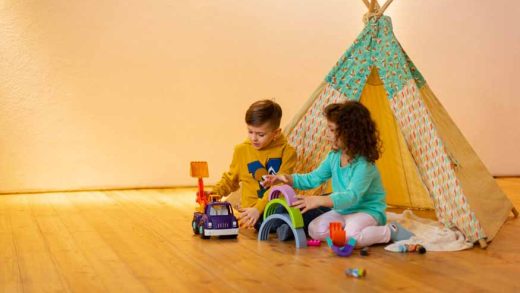
Play is not separate from learning. It is one of the most effective ways children develop holistically.
Through Play, Children Learn
- Problem-solving
- Social interaction
- Emotional regulation
- Creativity
- Communication
Play-based learning strongly supports the holistic development of a child during early childhood.
Common Misconceptions About Holistic Development
It Is Not “Less Academic”
Holistic education still supports literacy and numeracy, but within a balanced developmental framework.
It Is Not Unstructured Learning
Holistic classrooms follow thoughtful educational goals while remaining flexible and child-centred.
It Is Not Only About Creativity
While creativity is important, holistic development includes emotional, social, cognitive, and physical growth as well.
Long-Term Benefits of Holistic Development
Children who experience holistic preschool education often:
- Build stronger confidence
- Communicate more effectively
- Adapt more comfortably to challenges
- Develop healthier emotional regulation
- Remain curious and engaged learners
These lifelong benefits highlight the importance of a child’s holistic development during the early years.
Global Relevance of Holistic Education
Across the world, education systems increasingly prioritise:
- Emotional intelligence
- Creativity
- Collaboration
- Critical thinking
- Well-being
These priorities align closely with the principles of holistic development.
Modern education is gradually shifting from purely academic preparation toward whole-child development.
Read More: How to maintain holistic wellness in children and parents
Last Thoughts
The preschool years shape far more than academic readiness. They influence how children think, communicate, build relationships, manage emotions, and understand the world around them. This is why the holistic development of a child has become one of the most important goals in modern early childhood education.
Understanding the true meaning of holistic development helps parents move beyond narrow academic expectations and appreciate the value of emotional growth, creativity, curiosity, and social confidence during early childhood.
In India and across the world, the future belongs not only to children who perform well academically but also to those who can think independently, adapt confidently, communicate effectively, and build meaningful relationships.
For families interested in learning environments that nurture creativity, emotional confidence, communication, imaginative exploration, and balanced child development, understanding the educational philosophy and admission approach at Kangaroo Kids can offer valuable insight into how storytelling, collaborative learning, role play, creative exploration, and play-based experiences are thoughtfully integrated into everyday preschool education.