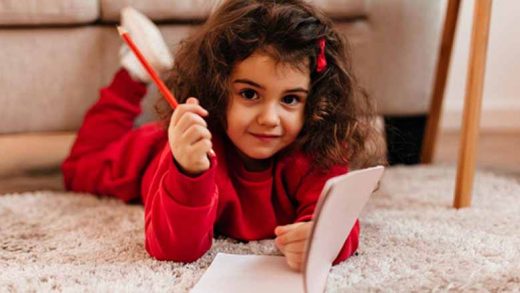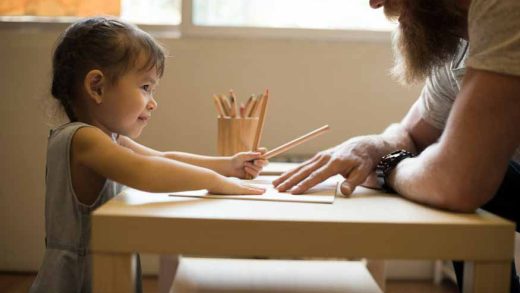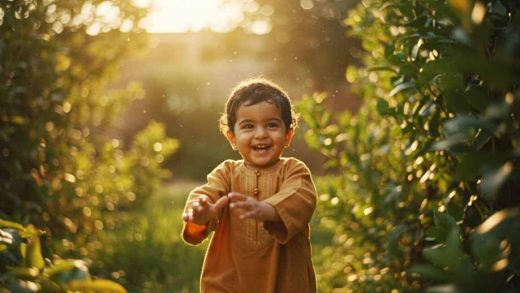
A friend recently confessed that she had spent an entire weekend worrying after attending a birthday party. Her two-and-a-half-year-old daughter spoke only a handful of words while another child of the same age chatted confidently with every adult in the room. By Monday morning, she had convinced herself that something was seriously wrong. A few weeks later, I visited her home again. The same little girl was happily narrating an imaginative story to her stuffed animals, asking endless questions, and even singing songs she had learned at preschool. Her progress reminded me of something every early childhood educator knows well. Children do not all develop language at the same pace. Comparing one child with another often creates unnecessary anxiety. Understanding what is typically expected between the ages of two and four can help parents support growth with confidence rather than worry.
A structured toddler programme provides children with daily opportunities to build vocabulary through songs, storytelling, play, and conversations. During this period, children move from speaking simple words to expressing their thoughts, asking questions, telling stories, and engaging in meaningful conversations. While every child develops differently, there are broad patterns that help parents understand what is generally considered typical. At Kangaroo Kids, language is nurtured through storytelling, songs, conversations, role-play, inquiry, and play-based experiences that make communication both enjoyable and meaningful.
Why the Early Years Matter
The brain develops rapidly during the preschool years.
This makes the period between two and four especially important for language development.
Children are constantly learning from:
- Conversations
- Books
- Songs
- Daily routines
- Play
- Social interactions
Every interaction contributes to stronger communication abilities.
Healthy child language development is built gradually through repeated experiences rather than formal lessons alone.
Understanding Language Milestones
Parents often hear about language milestones, but these should be viewed as helpful guides rather than strict deadlines.
Most children develop skills in slightly different sequences.
Some speak earlier.
Others spend more time listening before suddenly experiencing a rapid expansion of their vocabulary.
Teachers and child development professionals look for steady progress rather than perfection.
What Most Two-Year-Olds Can Do
Typical 2-year-old speech milestones include:
- Using short two- or three-word phrases
- Naming familiar objects
- Following simple instructions
- Pointing to pictures in books
- Asking simple questions
Children at this stage are also learning how conversations work by taking turns during interactions.
These early experiences lay the foundation for later child language development.
What Most Three-Year-Olds Can Do
By age three, vocabulary usually grows significantly.
Typical 3-year-old speech milestones may include:
- Speaking in longer sentences
- Answering simple questions
- Describing familiar experiences
- Naming colours and common objects
- Enjoying conversations
Many children also begin asking “why,” “what,” and “how” questions almost constantly.
This curiosity supports both thinking and language growth.
What Happens Between Three and Four?
As children approach four years of age, they become increasingly confident communicators.
Many children can:
- Tell simple stories
- Explain events
- Express emotions
- Follow longer instructions
- Participate in group conversations
These advances reflect healthy child language development across several areas.
Speech and Language Are Not the Same
Parents often use these terms interchangeably.
However, speech and language development refer to two related but different skills.
Speech involves producing sounds clearly.
Language involves understanding and using words to communicate ideas.
Some children pronounce words imperfectly while still demonstrating excellent language skills.
Supporting Speech Development in Children
Healthy speech development in children happens naturally when they have frequent opportunities to communicate.
Parents can encourage progress by:
- Listening patiently
- Responding warmly
- Expanding on children’s sentences
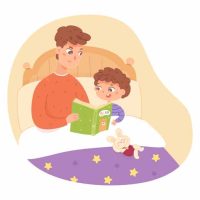
- Reading together every day
Children learn language best through meaningful interaction rather than correction.
Language Development in Early Childhood Happens Everywhere
Many parents imagine learning only happens inside classrooms.
In reality, language development in early childhood continues throughout the day.
Children build vocabulary while:
- Shopping
- Cooking
- Travelling
- Playing outdoors
- Visiting relatives
Everyday conversations are powerful learning opportunities.
When Should Parents Consider Speech Delay in Children?
Children develop at different speeds.
However, parents should consider discussing concerns with a qualified professional if they notice:
- Very limited vocabulary
- Difficulty understanding simple instructions
- Little interest in communicating
- Loss of previously acquired language skills
Early support for speech delay in children often leads to better long-term outcomes.
Seeking advice does not necessarily mean something is seriously wrong.
Everyday Language Development Activities
Simple language development activities can strengthen communication without feeling like formal lessons.
Try:
- Reading picture books
- Singing nursery rhymes
- Storytelling
- Pretend play
- Naming everyday objects
- Asking open-ended questions
Children learn most effectively when language feels enjoyable.
The Role of Preschool
A quality preschool provides rich opportunities for conversation throughout the day.
Children participate in:
- Circle time
- Story sessions
- Collaborative play
- Music
- Dramatic play
- Inquiry activities
These experiences support consistent child language development while building confidence.
At Kangaroo Kids, teachers intentionally create language-rich environments where every interaction becomes a learning opportunity.
Communication Skills Grow Through Relationships
Strong communication skills for children develop through meaningful relationships.
Children become confident speakers when adults:
- Listen carefully
- Encourage questions
- Value opinions
- Respond respectfully
Feeling heard motivates children to communicate more frequently.
Why Multilingual Homes Are an Advantage
Many Indian families speak multiple languages at home.
Parents sometimes worry this may confuse children.
Research suggests otherwise.
Children are capable of learning more than one language simultaneously.
Consistent exposure to each language supports healthy early language development while strengthening cultural identity.
Language Development in Preschoolers Is About More Than Vocabulary
Successful language development in preschoolers includes:
- Listening carefully
- Understanding instructions
- Expressing ideas
- Asking thoughtful questions
- Participating in conversations
These communication skills support future reading, writing, and learning across all subjects.
Avoid Comparing Children
One of the biggest sources of parental anxiety comes from comparison.
A neighbour’s child may speak earlier.
Another child may have clearer pronunciation.
Healthy child language development follows individual timelines.
Teachers look for gradual progress rather than identical achievements.
Read More: Fun + Learning: Positional Language Activities for Your Kids
How Kangaroo Kids Encourages Language Growth
At Kangaroo Kids, language learning is woven naturally into everyday experiences rather than taught through memorisation alone.
Children develop communication through storytelling, dramatic play, music, inquiry-based learning, collaborative projects, and meaningful conversations with teachers and classmates. Every classroom experience encourages children to express ideas, ask questions, build vocabulary, and develop confidence in speaking and listening.
This child-centred approach helps children view communication as joyful, purposeful, and connected to real life.
Last Thoughts
The years between two and four represent an extraordinary period of child language development. During this time, children rapidly expand their vocabulary, strengthen conversations, express emotions more clearly, and begin exploring the world through questions and stories. While language milestones provide helpful guidance, every child’s journey remains unique.
Parents play an important role simply by talking, listening, reading, and spending meaningful time together. When children feel safe, encouraged, and heard, their confidence grows alongside their communication abilities.
For families seeking a preschool that actively nurtures language through storytelling, role-play, inquiry, music, and engaging conversations, exploring the admissions journey at Kangaroo Kids offers valuable insight into how everyday classroom experiences help children become confident communicators while fostering curiosity, creativity, and a lifelong love of learning.