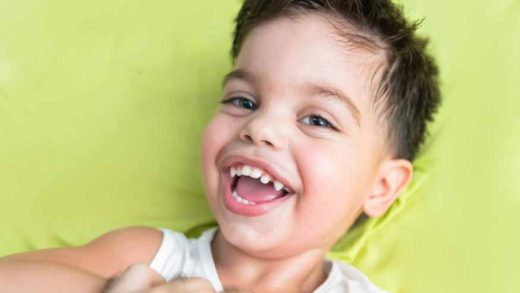
A few years ago, I attended the birthday party of a close friend’s four-year-old son. Like most children’s parties, there were balloons, snacks, games, and plenty of excited preschoolers running around. What caught my attention, however, was the birthday boy himself. While the other children raced across the lawn, climbed small play structures, balanced on stepping stones, and chased each other endlessly, he seemed hesitant. He struggled to keep up, tired quickly, and often preferred sitting with the adults.
His parents initially thought he was simply shy or less energetic than the other children. But after speaking with his preschool teachers, they learned that he needed more opportunities to develop his movement skills. Over the following months, they encouraged outdoor play, climbing activities, balancing games, and active exploration. The transformation was remarkable. Not only did his confidence improve, but so did his social interaction, independence, and willingness to participate in group activities.
That experience reminded me that childhood development is not only about language, literacy, and academics. Physical movement plays a critical role in helping children grow, learn, and explore the world around them. This is where gross motor skills become incredibly important.
At Kangaroo Kids, physical development is viewed as an essential part of holistic learning. Through purposeful movement, outdoor exploration, and carefully planned gross motor activities, children strengthen their bodies while simultaneously building confidence, coordination, resilience, and independence.
What Are Gross Motor Skills?
Many parents hear the term gross motor skills but are not entirely sure what it means.
Simply put, gross motor skills meaning refers to the movement and coordination of the large muscles in the body.
These muscles are responsible for activities such as:
- Running
- Jumping
- Walking
- Climbing
- Balancing
- Throwing
- Kicking
If you have ever wondered what is gross motor, it refers to the physical abilities that allow children to move their entire bodies efficiently and confidently.
Understanding gross motor meaning helps parents appreciate why active movement is such an important part of early childhood development.
Why Gross Motor Development Matters
Healthy gross motor development influences much more than physical fitness.
Strong movement skills help children:
- Explore their environment
- Build confidence
- Participate in social play
- Improve coordination
- Develop body awareness
- Strengthen concentration
Research consistently shows that physical activity supports cognitive development, emotional regulation, and social confidence.
This is why quality preschools place significant emphasis on gross motor skills activities during the early years.
Understanding Gross Motor Skills in Early Childhood
Gross motor skills in early childhood develop gradually as children gain control over larger muscle groups.
Children typically progress from:
- Rolling
- Crawling
- Standing
- Walking
- Running
- Jumping
- Climbing
Each stage builds upon previous experiences.
This process of gross motor skills development is a natural and essential part of growing up.
Read More: Explore the 15 Best Fine Motor Activities for Kids
What Is Gross Motor Skill Development?
Parents often ask, what is gross motor skill development?
It refers to the process through which children strengthen and coordinate large muscle groups to perform increasingly complex physical tasks.
Examples include:
- Learning to balance on one foot
- Riding a bicycle
- Catching a ball
- Climbing playground equipment
Healthy gross motor skills development supports children’s ability to participate confidently in both play and everyday activities.
Gross Motor Skills Examples Parents Can Easily Observe
There are many everyday gross motor skills examples that parents can watch for at home.
These include:
- Running without falling
- Jumping over obstacles
- Climbing stairs
- Throwing and catching balls
- Balancing on beams
- Dancing
- Skipping
These abilities indicate ongoing motor development in children and provide valuable insight into physical growth.
Gross Motor Developmental Milestones
Understanding gross motor developmental milestones helps parents recognise typical patterns of development.
While every child develops differently, common milestones include:
Ages 2-3
- Running confidently
- Climbing furniture
- Kicking balls
- Walking up stairs with support
Ages 3-4
- Hopping
- Pedalling tricycles
- Balancing briefly on one foot
Ages 4-5
- Skipping
- Catching larger balls
- Climbing confidently
- Navigating obstacle courses
These milestones help parents track overall progress without becoming overly focused on comparisons.
Gross Motor Skills Chart: What Parents Should Know
Many families search for a gross motor skills chart to understand age-appropriate expectations.
While charts can provide general guidance, it is important to remember:
- Children develop at different rates
- Development is rarely perfectly linear
- Practice and opportunity matter significantly
The focus should remain on progress rather than perfection.
The Difference Between Fine Motor and Gross Motor Skills
Many parents wonder about the difference between fine motor and gross motor development.
Gross motor skills involve:
- Large muscle movements
- Whole-body coordination
- Balance and mobility
Fine motor skills involve:
- Small muscle movements
- Hand control
- Finger coordination
Examples of fine motor and gross motor skills include:
Gross Motor:
- Running
- Climbing
- Jumping
Fine Motor:
- Drawing
- Writing
- Buttoning clothes
Understanding what is fine motor skills and gross motor skills helps parents appreciate the importance of both developmental areas.
Why Fine and Gross Motor Skills Work Together
Strong fine and gross motor skills often support one another.
For example:
- Good posture improves writing readiness.
- Strong shoulder stability supports hand control.
- Physical confidence encourages independence.
This relationship highlights why quality preschools support both fine and gross motor skills activities throughout the day.
Why Modern Children Need More Gross Motor Activities
Many children today spend more time:
- Indoors
- Using screens
- Participating in structured activities
As a result, opportunities for active movement are sometimes reduced.
This makes purposeful gross motor activities increasingly important.
Regular movement supports:
- Physical health
- Confidence
- Social interaction
- Brain development
Best Gross Motor Activities for Preschoolers
Obstacle Courses
Simple obstacle courses are among the most effective gross motor activities for preschoolers.
Children can:
- Crawl
- Jump
- Climb
- Balance
- Navigate challenges
Obstacle courses improve coordination and problem-solving simultaneously.
Animal Walks
Pretending to move like animals encourages:
- Balance
- Strength
- Coordination
Examples include:
- Bear walks
- Frog jumps
- Crab walks
These playful activities strengthen multiple muscle groups.
Ball Games
Throwing, catching, kicking, and rolling balls are classic gross motor skills activities for preschoolers.
These games improve:
- Hand-eye coordination
- Timing
- Spatial awareness
Dancing
Music and movement encourage:
- Rhythm
- Balance
- Coordination
- Confidence
Dance remains one of the most enjoyable gross motor activities for young children.
Playground Exploration
Climbing structures, slides, swings, and ladders all contribute to healthy gross motor development.
Outdoor play remains one of the best environments for physical learning.
Gross Motor Activities for Kindergarten Children
As children grow older, gross motor activities for kindergarten can become slightly more challenging.
Examples include:
- Relay races
- Balance challenges
- Team games
- Jump rope activities
- Sports-based movement
These experiences continue strengthening physical confidence and coordination.
A Helpful List of Gross Motor Skills
A simple list of gross motor skills includes:
- Walking
- Running
- Jumping
- Hopping
- Skipping
- Climbing
- Crawling
- Throwing
- Catching
- Balancing
- Dancing
- Kicking
These foundational skills support lifelong physical competence.
How Kangaroo Kids Supports Gross and Fine Motor Development
At Kangaroo Kids, movement is viewed as an essential part of learning.
Children participate in:
- Outdoor play
- Movement-based learning
- Obstacle courses
- Dance activities
- Physical exploration
This balanced approach supports both gross and fine motor development while encouraging confidence, independence, and active engagement.
Common Mistakes Parents Make
Prioritising Academics Over Movement
Physical development is just as important during early childhood.
Limiting Outdoor Play
Children need opportunities to run, climb, jump, and explore.
Comparing Development Excessively
Every child develops differently.
Focusing on individual progress is far more productive.
Long-Term Benefits of Strong Gross Motor Skills
Children with strong gross motor skills often:
- Participate confidently in play
- Develop better coordination
- Build stronger self-esteem
- Adapt more comfortably socially
- Engage actively in learning experiences
Physical confidence frequently supports emotional and cognitive growth as well.
Last Thoughts
When parents think about school readiness, they often focus on literacy, numeracy, and communication. Yet physical development remains equally important. Healthy gross motor skills provide children with the confidence, coordination, and independence needed to explore the world actively and successfully.
From climbing and balancing to running and jumping, thoughtfully designed gross motor activities help children strengthen their bodies while supporting social, emotional, and cognitive development. These experiences become the foundation for lifelong movement, confidence, and well-being.
For families seeking educational environments that support creativity, confidence, movement, communication, and holistic child development, exploring the learning philosophy and admissions process at Kangaroo Kids can provide valuable insight into how outdoor play, movement-based learning, role play, storytelling, and carefully designed physical experiences contribute to healthy growth across every developmental domain.