“Aunty, look, there’s an owl! And did you know it’s chicks are called owlets?” My nephew excitedly proclaimed to me one evening at a nature park we were visiting. In my experience, I have seen how birds make children curious about the natural world. A crow calling from a balcony can begin a wonderful conversation. Learning a bird’s name in English builds vocabulary while encouraging observation, kindness, and respect for living creatures.
Why Indian Parents Should Begin With Local Birds
Children remember words best when they connect them to something real. Start with birds your child may see near home, school, a park, farm, or market. In India, these may include crow, pigeon, sparrow, myna, koel, parrot, kite, peacock, or kingfisher.
Point to a bird from a safe distance and ask what the child notices. Is it small or large? What colour are its feathers? Is it walking, hopping, swimming, or flying? These questions turn a bird’s name in English into a learning experience rather than a list to memorise.
How Indian Parents Can Teach Common Bird Names
Introduce a few names at a time.
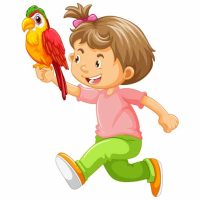
A crow is often black and is heard in cities and villages. A pigeon may be grey, white, or patterned. A sparrow is small and quick. A parrot has a curved beak and, in several Indian species, bright green feathers.
The peacock is India’s national bird and is known for colourful tail feathers. A mynah often has a yellow beak and legs, while a koel is recognised by its call. The goal is to recognise wildlife responsibly.
Make a Picture-and-Word Matching Game
Print or draw bird pictures and write one name on separate cards. Invite children to match each picture with its word, then use the word in a sentence: “The sparrow is small.” A bird name chart in English can include only a few clear images at first.
For multilingual children, say the home-language word alongside the English word. Repetition through stories, songs, drawings, and short walks makes words familiar. You can ask a child to say the bird’s English name after sharing the word used at home.
How Indian Parents Can Explain Bird Types
Birds can be grouped by what they eat, where they live, how they move, or the shape of their beaks and feet. Simple categories help children notice patterns. Ducks have webbed feet that help them swim, while eagles and kites have curved beaks for tearing food.
Learning a bird’s name in English alongside a characteristic encourages children to compare rather than simply repeat.
Try a sentence: “A duck has webbed feet, but a sparrow has feet for perching.” This develops language, memory, and early science thinking.
Talk About Birds That Fly and Birds That Do Not
Most birds have wings, feathers, beaks, and two legs, but not every bird flies. Ostriches, emus, kiwis, and penguins are examples of birds that do not fly.
A flying bird name activity can include an eagle, a swallow, a pigeon, and a parrot. Children can sort picture cards into birds that fly, birds that swim, and birds that cannot fly. Use accurate information while keeping the game playful.
How Indian Parents Can Explore Bird Characteristics Safely
Feathers help birds stay warm and move through the air. Beaks vary because birds eat different foods. Long beaks may help probe flowers or mud, while strong beaks can crack seeds.
Teach children to observe without touching nests, eggs, feathers found outdoors, or unknown birds. Keep a quiet distance, never offer processed food, and do not chase birds for a photograph. If a child finds an injured bird, contact a local wildlife rescue group or veterinarian.
Try a Balcony or Garden Bird Watch
Choose a regular time, sit quietly, and note the birds you see or hear. Children can draw a bird and write what it sounds like. Keep water in a shallow, clean bowl during hot weather, safely away from pets. Clean it regularly, and don’t expect birds to arrive immediately.
Invite children to notice the bird’s size, colour, beak, feet, sound, and movement before opening the notebook. This gentle routine encourages observation and teaches children that wildlife is best appreciated without disturbing it.
This routine turns a bird’s name in English into a personal discovery. It teaches patience, care, and attention. A notebook can become a simple bird name chart with a drawing, date, place, and one observation for each bird.
How Indian Parents Can Use Stories and Art
Read folktales and picture books featuring birds, but explain the difference between stories and facts. Children can make paper wings, create a nest from craft materials, or act out how a bird flies, hops, pecks, or rests.
Art and pretend play give children repeated chances to use a bird’s name in English naturally. Ask, “Where does your bird live?” “What does it eat?” and “How does it move?” Their answers build descriptive language, empathy, and confidence.
Read More: Wild Animals in English with Names, Examples and Facts
FAQs for Indian Parents
How many bird names should my child learn at once?
Start with three to five familiar birds and revisit them often. Add new names only when earlier ones feel comfortable. Learning through real sightings, books, and games lasts longer than memorising a long list.
Is it safe to feed birds from our balcony?
Follow local guidance and focus first on clean water. Some foods can harm birds or attract pests. Do not feed bread, salty snacks, or leftovers. If you offer food, seek advice from a local wildlife organisation and keep feeding areas clean.
Last Thoughts
Teaching a bird’s name in English connects language learning with wonder, science, and care for nature. Help children notice local birds, ask questions, and respect their space. Small observations can grow into a lifelong interest in the living world.
For parents seeking a structured environment that extends nature-based learning, exploring the admissions process at Kangaroo Kids Preschool can be helpful. Kangaroo Kids shows how storytelling, role play, and play-based activities can help children develop communication, creativity, curiosity, and meaningful connections with the world around them.