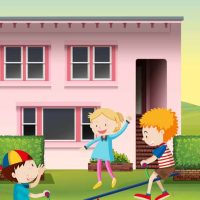
One of the most fun things about being a parent is seeing how a rainy-day game can turn a family’s restlessness and impatience into laughter and time well spent. I have always believed that children do not need complicated equipment to be active, curious, and connected. Well-chosen indoor and outdoor games give them room to move, imagine, negotiate, and discover what their bodies and minds can do.
Why Indian Parents Should Balance Play at Home and Outside
Children benefit from variety. Indoor play can offer concentration, creativity, fine-motor practice, and calm social interaction. Time outside supports running, balancing, observing nature, and releasing energy. Together, indoor games and outdoor games help children develop physically, emotionally, socially, and cognitively.
Families can adapt available safe spaces to a child’s age, interests, and energy. The goal is participation, not winning. Small successes help children feel capable, included, and eager again.
How Indian Parents Can Choose Safe Indoor Game Ideas
Start with clear boundaries. Remove hazards, make room to move, and select age-appropriate materials. Encourage children to help prepare and pack away. These habits build responsibility alongside fun.
Try a treasure hunt using picture clues hidden around a room. Ask children to find something red, soft, round, or beginning with a familiar sound. This is one of the most flexible indoor and outdoor games because the same idea works in a living room, classroom, or garden. It encourages observation, vocabulary, memory, and problem-solving.
Create a Pretend-Shop Challenge
Set out clean food containers, a basket, paper notes, and toy coins. Children can take turns as shopper and shopkeeper, count items, describe choices, and solve small disagreements. Pretend play builds language and early maths while allowing children to practise polite conversation.
Another useful option is a movement dice game. Draw or place pictures for actions such as jump, stretch, crawl, clap, or spin. Roll a soft die and complete the action together. Short active breaks can help children refocus before quieter tasks.
How Indian Parents Can Plan Outdoor Game Ideas
Choose safe locations, check surfaces and equipment, bring water, and use suitable clothing. Stay close enough to supervise, while allowing children reasonable freedom to explore.
Classic outdoor games such as hopscotch, catch, kho-kho, and relay races develop coordination and stamina. Mark a course with chalk, stones, or cones, then invite children to run, hop, weave, or balance. Change the challenge to suit each child: use shorter distances, wider targets, or walking instead of running. Inclusive adjustments make movement welcoming for everyone.
Turn Nature Into a Game
A colour or texture hunt is ideal for a park, garden, or safe lane. Ask children to notice a smooth leaf, a rough surface, a tiny insect, or something shaped like a circle. This style of games in outdoor play strengthens attention, descriptive language, and respect for the environment.
Try a simple obstacle route using a line to follow, a cushion to step over, and a bucket to circle. These indoor-outdoor games can be recreated indoors when rain, heat, or air quality keeps children home. Ask children to design one section themselves. Planning the route exercises imagination and balance.
How Indian Parents Can Explain the Benefits of Active Play
Active play supports gross-motor skills, including strength, coordination, balance, and body awareness. Children also learn to judge distance, take manageable risks, and notice safety rules.
Games also teach social learning. When children wait for a turn, agree on rules, handle a loss, or invite someone to join, they practise empathy and self-regulation. Adults can model phrases such as “Can I have a turn next?” and “Let us change the rule so everyone can play.” These are skills children carry into classrooms, friendships, and family life.
Many indoor and outdoor games also support early academic understanding. Counting scores, matching colours, following directions, telling stories, and sorting natural materials all use language, maths, and thinking. Keep the tone playful. Children learn more when adults notice effort and curiosity rather than insist on a correct answer.
Adapt Games for Different Ages and Abilities
A toddler may enjoy rolling a ball back and forth, while an older child may enjoy making rules for a target game. Offer choices and allow extra time. For cautious children, start with a familiar partner and a smaller challenge. For children with mobility, sensory, or communication differences, adapt equipment, instructions, pace, and space so they can participate meaningfully.
Think of each activity as an indoor game-outdoor game opportunity, rather than a fixed lesson. A game can move from the floor to the balcony, or from a playground to a classroom, with small changes. Flexibility keeps play available throughout changing seasons and busy family schedules.
Read More: 12 Fun Ball Games for Kids: Keeping the Fun Rolling
FAQs for Indian Parents
How much outdoor time do children need each day?
Needs differ by age, health, weather, and local conditions. Aim for regular active play whenever it is safe and practical, rather than chasing a perfect number. Even brief periods in a park, courtyard, or open balcony can provide movement and sensory experiences. On difficult days, recreate indoor and outdoor games inside.
What should I do if my child dislikes competitive games?
Choose cooperative activities where children work toward a shared goal, such as building a course, finding clues, or keeping a balloon in the air. Avoid forcing participation. Offer a role such as timekeeper, helper, or rule-maker, and let confidence grow gradually.
Last Thoughts
The best indoor and outdoor games are simple, safe, and shaped by the child’s interests. Provide time, encouragement, and enough freedom for children to make choices. Whether play happens in a small home, a school yard, or a neighbourhood park, it can strengthen health, imagination, and relationships.
For parents seeking a structured environment that extends the benefits of active and imaginative play, exploring the admissions process at Kangaroo Kids Preschool can be valuable. Kangaroo Kids shows how storytelling, role play, and play-based experiences can help children build communication, creativity, confidence, and meaningful learning habits.