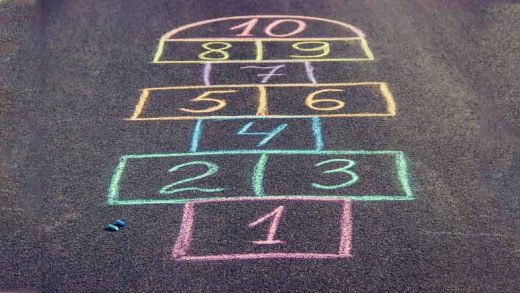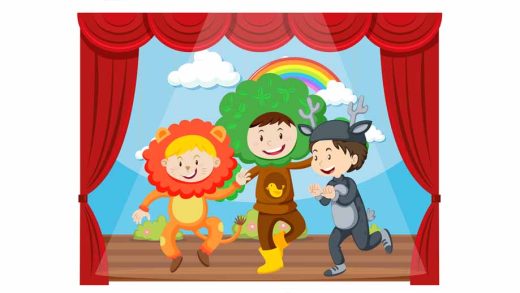
There was a time when children never had to be reminded to play. Across Indian neighbourhoods, children would gather outside every evening without planning or supervision. Streets echoed with games of hide and seek, catch, cricket, hopscotch, marbles, cycling, pretend play, and endless imagination. Childhood was naturally filled with exploration, movement, negotiation, problem-solving, and social interaction.
But over the years, childhood slowly began changing.
Academic pressure increased earlier and earlier. Rote learning became more common even during preschool years. Urban lifestyles have reduced outdoor spaces. Green areas slowly disappeared under expanding cities and apartment complexes. Screen time increased. Safety concerns kept children indoors longer. As a result, something quietly disappeared from many childhoods: free play.
Today, many parents worry if children are “wasting time” when they are simply playing without structure. Yet modern research increasingly shows that free play is not wasted time at all. In fact, it may be one of the most important forms of learning during early childhood.
This is why educators around the world are once again emphasising the importance of learning through play during the earliest years of development. Children build creativity, communication, emotional regulation, confidence, problem-solving abilities, and social intelligence not only through formal lessons but also through open-ended exploration and play.
Understanding what is free play has become more important than ever for modern parents navigating childhood in an increasingly structured world.
What Is Free Play?
Many parents today ask, what is free play during early childhood.
Free play refers to child-led, unstructured play where children:
- Choose activities independently
- Explore ideas freely
- Use imagination naturally
- Interact socially without rigid adult direction
Unlike structured lessons or organised classes, free play allows children to guide their own experience.
Free play focuses on autonomy, exploration, creativity, and curiosity.
Why Understanding What Free Play Is Matters for Indian Parents
In many modern urban households, children’s schedules are increasingly packed with:
- Tuition
- Structured classes
- Screen time
- Academic preparation
- Organised activities
While structured learning has value, children also need opportunities for spontaneous exploration.
Understanding what is free play helps parents recognise that meaningful learning often happens outside formal teaching environments.
The Research Behind Learning Through Play
Research across developmental psychology and neuroscience strongly supports learning through play.
A 2018 report published by the American Academy of Paediatrics highlighted that play supports:
- Brain development
- Emotional resilience
- Social competence
- Executive functioning
- Language development
The report also noted that play strengthens parent-child relationships and reduces children’s stress.
Similarly, researchers such as Lev Vygotsky and Jean Piaget argued that children actively construct knowledge through exploration, imagination, and interaction rather than through passive memorisation.
These findings continue to influence modern early childhood education globally.
What Is Free Play Teaching Children Emotionally?
One major reason free play matters is that children process emotions through play.
During free play, children often:
- Recreate real-life situations
- Explore fears safely
- Practice social interaction
- Build confidence gradually
For example:
- Pretend doctor games help children process medical fears
- Group play teaches cooperation and negotiation
- Building activities teach persistence and patience
These emotional experiences cannot easily be replicated through worksheets or rote learning.
Learning Through Play Builds Problem-Solving Skills
Children engaged in free play constantly solve problems independently.
They may ask:
- “How do we build this tower?”
- “What happens next in the game?”
- “How do we share this toy?”
- “How can we make this work?”
These moments naturally strengthen:
- Critical thinking
- Flexibility
- Decision-making
- Creativity
This is one of the biggest strengths of learning through play.
The Benefits of Free Play Extend Beyond Childhood
Research increasingly shows that the benefits of free play continue far beyond preschool years.
Children who experience healthy play opportunities often develop:
- Stronger emotional regulation
- Better communication skills
- Higher creativity
- Improved adaptability
- Greater social confidence
These qualities become valuable throughout education and adulthood.
Why Indian Childhoods Are Losing Free Play
Modern Indian childhood has changed dramatically in recent decades.
Several factors contribute to reduced free play:
- Academic competition
- Smaller outdoor spaces
- Increased screen exposure
- Safety concerns
- Structured parenting routines
Many children now spend more time indoors and less time exploring freely.
This shift makes understanding what is free play increasingly important for today’s parents.
What Is Free Play Doing for Brain Development?
Free play strongly supports early brain development.
According to research from Harvard University’s Center on the Developing Child, playful interaction strengthens neural connections related to:
- Attention
- Emotional regulation
- Language
- Social interaction
- Executive functioning
Children learn best when emotionally engaged and actively participating.
This is why learning through play remains central to modern developmental science.
Why the Importance of Play in Early Childhood Cannot Be Ignored
The importance of play in early childhood lies in its ability to support multiple developmental domains simultaneously.
Play strengthens:
- Emotional growth
- Physical coordination
- Social skills
- Language development
- Creativity
- Cognitive flexibility
Very few learning experiences support such broad development at once.
Free Play Meaning Is Not “Doing Nothing”
One common misunderstanding about meaning of free play is that children are simply “passing time.”
In reality, free play involves intense mental and emotional engagement.
Children participating in imaginative play are:
- Building stories
- Negotiating roles
- Solving problems
- Exploring emotions
- Practicing communication
Play is often far more cognitively active than adults realise.
Learning Through Play Supports Language Development
Children naturally develop language skills during play through:
- Conversation
- Storytelling
- Role play
- Negotiation
- Imaginative interaction
For example:
- Pretend restaurants encourage social dialogue
- Puppet games introduce storytelling vocabulary
- Group games build listening and communication skills
This is another reason learning through play remains so powerful during early childhood.
Read More: How Do Children Learn Through Play?
Why Free Play Builds Independence
Free play allows children to:
- Make decisions
- Solve conflicts
- Explore ideas independently
- Take manageable risks
These experiences help children build:
- Confidence
- Initiative
- Emotional resilience
Children learn that they are capable of thinking and acting independently.
Indian Parents and the Fear of “Wasting Time”
Many parents understandably worry:
- “Will too much play delay academics?”
- “Should my child be learning more formally?”
- “Will free play make children less disciplined?”
However, research increasingly suggests the opposite.
Children who experience healthy play opportunities often become:
- Better communicators
- More curious learners
- More emotionally balanced
- More socially confident
Understanding what is free play helps parents move beyond the idea that learning only happens through formal instruction.
Why Nature and Outdoor Play Matter
Earlier generations naturally experienced:
- Outdoor exploration
- Group games
- Physical movement
- Unstructured social interaction
As green spaces disappear in many cities, opportunities for spontaneous free play are also shrinking.
Yet outdoor play remains deeply valuable for:
- Sensory development
- Physical coordination
- Emotional regulation
- Creativity
This is another important benefit of free play.
What Research Says About Stress and Play
Research published in the journal Pediatrics has shown that play helps reduce stress and anxiety in children by supporting emotional regulation and healthy social interaction.
Children experiencing constant pressure without enough play opportunities may show:
- Emotional frustration
- Reduced creativity
- Attention difficulties
- Increased stress responses
This makes the importance of play in early childhood even more relevant today.
Common Mistakes Parents Should Avoid
Over-Scheduling Children
Children need unstructured time for imagination and exploration.
Treating Play as a Reward Only
Play itself is an essential developmental need.
Replacing Free Play With Screens
Passive screen engagement cannot fully replace active, imaginative play.
Understanding these mistakes helps parents appreciate what is free play more deeply.
Why Modern Preschools Are Returning to Play-Based Learning
Many progressive early childhood educators now recognise that children learn best through:
- Exploration
- Conversation
- Creativity
- Collaboration
- Emotional engagement
As a result, modern classrooms increasingly prioritise learning through play alongside academics.
This approach reflects growing global understanding of child development research.
Read More: Easy and Creative Activities for Play Group to Inspire Young Minds
Long-Term Benefits of Free Play
Children exposed to healthy free play opportunities often:
- Adapt more confidently
- Build stronger creativity
- Develop better emotional intelligence
- Communicate more comfortably
- Enjoy learning more naturally
These long-term outcomes highlight the true benefits of free play.
Last Thoughts
Childhood has changed dramatically over the past few decades. As academic pressure, structured schedules, screens, and shrinking outdoor spaces became more common, free play quietly began disappearing from many children’s lives. Yet research continues to show that some of the most meaningful learning in early childhood occurs precisely during moments of spontaneous exploration, imagination, movement, storytelling, and social interaction.
Understanding what is free play helps parents recognise that play is not separate from learning. In fact, it may be one of the most powerful forms of learning children experience during the early years. Through learning through play, children develop creativity, emotional resilience, communication confidence, empathy, social intelligence, and problem-solving abilities that support long-term growth far beyond academics alone.
For families seeking learning environments that nurture creativity, emotional intelligence, communication, imaginative exploration, collaborative interaction, and play-based development from the earliest years, understanding the educational philosophy and classroom approach at Kangaroo Kids can provide valuable insight into how storytelling, role play, creative inquiry, and child-centred play experiences are thoughtfully integrated into everyday preschool education.