Why Clear Communication Starts Early
- “Use your words.”
- “Tell me what you need.”
- “Can you explain that again?”
These are phrases many parents use daily, often in response to whining, frustration, or unclear requests. In early childhood, learning to communicate clearly is one of the most important developmental milestones. Strong communication skills for preschoolers are not just about speaking more; they are about expressing thoughts, needs, and emotions with clarity and confidence.
In Indian homes, where children grow up in rich multilingual environments, communication becomes even more dynamic and meaningful. This article explores how parents can help children think clearly and communicate effectively, transforming everyday interactions into powerful learning opportunities.
Understanding Communication in Early Childhood
What Are Communication Skills for Preschoolers?
Communication skills for preschoolers include the ability to:
- Express needs and wants
- Share ideas and thoughts
- Understand and respond to others
- Use language appropriately
These skills develop rapidly during early childhood and form the foundation for social, emotional, and academic success.
Language Development in Early Childhood
Language development in early childhood plays a crucial role in communication. Children learn language through:
- Listening to conversations
- Observing interactions
- Practicing speech
The more exposure they have to meaningful conversations, the stronger their communication abilities become.
Why Clarity and Precision Matter
Moving Beyond Whining
Young children often resort to whining or crying when they cannot express themselves clearly. Instead of:
- Crying for attention
- Using vague words like “this” or “that”
they can learn to say:
- “I need help with this toy.”
- “I feel upset because…”
Developing communication skills for preschoolers helps children replace frustration with clarity.
Building Confidence Through Expression
When children can articulate their thoughts:
- They feel understood
- They gain confidence
- They build stronger relationships
This makes communication a key life skill.
The Role of Thinking in Communication
Thinking Before Speaking
Clear communication begins with clear thinking. Children need to:
- Organise their thoughts
- Choose appropriate words
- Express ideas logically
This connection between thinking and speaking strengthens communication skills for preschoolers.
Encouraging Thoughtful Responses
Instead of rushing children, encourage them to:
- Pause and think
- Form complete sentences
- Explain their ideas
This practice improves clarity and precision.
Vocabulary Building for Kids
Expanding Word Knowledge
Vocabulary building for kids is essential for effective communication. Children with a rich vocabulary can:
- Express themselves more clearly
- Describe experiences accurately
- Understand others better
Practical Ways to Build Vocabulary
- Read books daily
- Introduce new words in context
- Use descriptive language
For example: Instead of saying “big,” say “huge” or “enormous.” These practices enhance communication skills for preschoolers.
Expressing Feelings Clearly
Teaching Emotional Language
One of the most important aspects of communication is expressing feelings for kids. Children should learn to identify and express emotions such as:
- Happy
- Sad
- Angry
- Excited
Replacing Behaviour with Words
Instead of reacting with behaviour, children can learn to use words. For example:
- Instead of hitting → “I am angry.”
- Instead of crying → “I need help.”
This shift strengthens communication skills for preschoolers and emotional intelligence.
Practical Strategies for Parents
Model Clear Communication
Be a Role Model: Children learn by observing adults. Parents can:
- Speak clearly and calmly
- Use complete sentences
- Explain their thoughts
This modelling helps children develop better communication habits.
Encourage Full Sentences
Move Beyond One-Word Responses: If a child says: “Water” Encourage: “I want water, please.” This practice improves clarity and structure.
Ask Open-Ended Questions
Promote Detailed Responses: Instead of asking: “Did you play?” Ask: “What did you play today?” This encourages children to think and express themselves.
Use Everyday Conversations
Learning Through Daily Interaction: Daily routines provide opportunities to practice communication. Examples:
- Discussing meals
- Talking about the day
- Describing surroundings
These interactions strengthen communication skills for preschoolers.
Activities to Improve Communication Skills
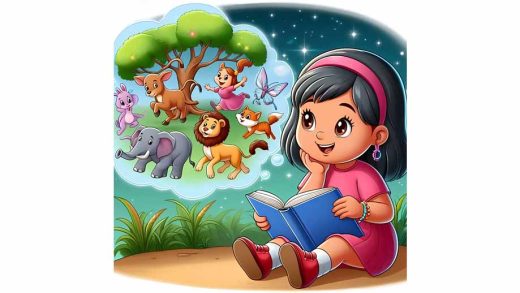
Storytelling and Narration
Encourage Expression: Ask children to:
- Retell stories
- Describe events
- Create their own stories
This improves vocabulary and clarity.
Role Play
Practice Real-Life Communication: Role play helps children:
- Practice conversations
- Express emotions
- Understand social situations
For example:
- Playing “shopkeeper”
- Acting out daily scenarios
Listening Games
Importance of Active Listening: Good communication includes listening. Games like:
- “Simon Says”
- Following instructions help develop listening skills.
Indian Context: Multilingual Advantage
Learning Multiple Languages
In India, children are often exposed to multiple languages at home and school. This enhances:
- Cognitive flexibility
- Vocabulary
- Communication skills
Balancing Languages
Parents can:
- Encourage clarity in one language at a time
- Avoid mixing excessively
- Support consistent practice
This strengthens communication skills for preschoolers.
Overcoming Common Challenges
- Dealing with Shyness: Some children may hesitate to speak. Solution: Encourage gently. Avoid pressure. Provide safe opportunities to express.
- Managing Excessive Talking: Some children may talk without clarity. Solution: Guide them to organise their thoughts. Encourage structured responses.
- Handling Frustration: When children struggle to express themselves : Be patient. Help them find words. Validate their feelings.
Long-Term Benefits of Strong Communication Skills
Children who develop strong communication skills for preschoolers are more likely to:
- Perform well academically
- Build strong relationships
- Express ideas confidently
These skills are essential for future success.
Role of Parents in Communication Development
Creating a Supportive Environment
Parents should:
- Encourage conversations
- Listen actively
- Provide feedback
Reinforcing Positive Communication
Praise children when they:
- Express clearly
- Use new words
- Communicate effectively
This builds confidence and motivation.
Practical Daily Routine
Simple Steps to Follow
- Morning: Ask about plans for the day
- Afternoon: Discuss activities
- Evening: Reflect on experiences
This routine supports consistent development of communication skills for preschoolers.
Common Mistakes to Avoid
- Interrupting Children: Allow children to complete their thoughts.
- Correcting Excessively: Focus on encouragement rather than criticism.
- Ignoring Communication Attempts: Responding positively encourages further effort.
Building Clarity Through Communication
Clear communication is a skill that begins in early childhood and develops over time. By focusing on communication skills for preschoolers, parents can help children express themselves with confidence and precision. Through daily conversations, thoughtful guidance, and consistent practice, children learn to replace frustration with clarity and confusion with understanding.
In Indian homes and across the world, one truth remains universal: when children learn to think clearly and communicate effectively, they gain a powerful tool for life. Because the ability to express oneself clearly is not just a skill but a foundation for success. To see how Kangaroo Kids builds language and clarity, view our programs.