One of the most beautiful things about India is the way multiple cultures, languages, traditions, and communities coexist within one nation. In many modern Indian families today, it is common to see relatives from different states, religions, and cultural backgrounds coming together under one roof. A child growing up in Mumbai may have grandparents from Kerala, cousins in Punjab, neighbours celebrating Eid, classmates observing Christmas, and friends participating in Navratri or Pongal celebrations.
This multi-regional and multicultural family system is one of India’s greatest strengths. It exposes children to a rich world of traditions, stories, foods, music, rituals, and celebrations from an early age. But along with this diversity comes an important responsibility. Children must also learn to respect and value celebrations that may not be part of their own family traditions.
Festivals are not only colourful occasions filled with sweets and decorations, but also holidays. They are powerful opportunities for children to learn about empathy, gratitude, generosity, cooperation, cultural identity, and community living. Through meaningful participation in celebrations, children begin understanding that societies become stronger when people respect each other’s traditions and values.
This is why festival celebrations in schools have become such an important part of modern early childhood education in India. Schools increasingly recognise that festivals provide valuable opportunities for emotional, social, and cultural learning during the formative years of childhood.
Why Festivals Matter in Early Childhood
Children learn best through experiences that are:
- Emotional
- Interactive
- Memorable
- Socially engaging
Festivals naturally combine all these elements.
Young children experience:
- Stories
- Music
- Food
- Art
- Rituals
- Group activities
These experiences help children connect emotionally with values and traditions.
This is one reason festivals celebration in schools play an important role in preschool and early childhood education.
Festivals Teach Children About Community
One of the biggest lessons children learn through festivals is the importance of community.
During celebrations, children observe:
- Families gathering together
- People sharing food
- Communities helping one another
- Collective participation in traditions
These experiences help children understand that human connection and cooperation are important parts of life.
Different Festivals of India Reflect Cultural Diversity
The different festivals of India reflect the country’s incredible cultural richness.
Children may encounter:
- Diwali
- Eid
- Christmas
- Onam
- Baisakhi
- Pongal
- Navratri
- Gurpurab
Each celebration introduces children to different customs, foods, clothing, stories, and community values.
Exposure to India’s diverse festivals helps children become more open-minded and respectful of cultural diversity.
Types of Festivals in India and Their Meaning
There are many types of festivals in India, including:
- Religious festivals
- Harvest festivals
- National festivals
- Seasonal celebrations
- Regional cultural festivals
Each type teaches different values.
For example:
- Harvest festivals often teach gratitude for nature and food
- National festivals encourage patriotism and unity
- Religious festivals may focus on kindness, generosity, or faith
Children absorb these values naturally through participation.
Festivals Celebration in Schools Encourages Inclusion
Modern classrooms increasingly prioritise inclusion and cultural awareness.
This is why festivals celebration in schools have become an important educational practice.
Children learn:
- Respect for diversity
- Social participation
- Cultural understanding
- Empathy for different traditions
Celebrating festivals together helps classrooms feel more inclusive and emotionally connected.
National Festivals Teach Shared Identity
India’s national festivals also play an important role in childhood learning.
The Indian national festival name list commonly includes:
- Independence Day
- Republic Day
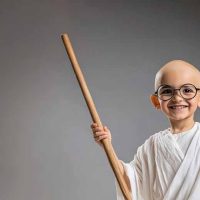
- Gandhi Jayanti
These celebrations help children understand:
- Freedom
- Democracy
- National unity
- Respect for history
Many schools use the national festival of India chart to help children visually understand important national celebrations.
National Festivals of India Chart and Early Learning
Using a national festival of India chart in classrooms helps preschoolers:
- Recognise important national occasions
- Understand symbols and colours
- Learn basic historical concepts visually
Young children often connect more effectively with visual and interactive learning methods.
Charts, storytelling, songs, and role play make national celebrations more meaningful and memorable.
Festivals Build Emotional Intelligence
Festivals often involve:
- Sharing
- Helping others
- Expressing gratitude
- Participating in group activities
These experiences support emotional development by teaching children:
- Empathy
- Cooperation
- Respect
- Generosity
This emotional learning is one of the biggest benefits of festivals celebration in schools.
Indian Festivals Encourage Intergenerational Learning
Festivals also strengthen relationships between children and older family members.
Grandparents often share:
- Stories
- Traditions
- Ritual meanings
- Family memories
These conversations help children build:
- Emotional connection
- Cultural identity
- Respect for elders
This intergenerational learning remains a valuable part of Indian culture.
Festivals and Language Development
Festival celebrations expose children to:
- Songs
- Stories
- Poems
- Greetings in different languages
This naturally supports communication and vocabulary development.
Children growing up in multicultural environments often become more comfortable interacting across languages and communities.
Why Schools Celebrate Festivals
Some parents may wonder why schools devote time to celebrations rather than to academics alone.
However, festival celebration in schools supports:
- Social learning
- Emotional development
- Creativity
- Cultural understanding
- Communication skills
Children often learn values more effectively through lived experiences than through lectures alone.
Types of Festivals in India and Regional Identity
The many types of festivals in India also help children appreciate regional traditions.
For example:
- Onam introduces Kerala’s harvest traditions
- Durga Puja highlights Bengali culture
- Pongal reflects Tamil harvest celebrations
- Lohri connects children to Punjabi customs
Learning about regional diversity helps children appreciate India’s cultural richness more deeply.
Festivals Encourage Creativity in Children
Festival activities often include:
- Art and craft
- Dance
- Music
- Dress-up activities
- Storytelling
These experiences naturally encourage imagination and creative expression.
Children often participate more enthusiastically when learning feels joyful and culturally engaging.
Indian Context: Why Cultural Understanding Matters Today
Modern Indian cities are becoming increasingly multicultural.
Children today often grow up interacting with:
- Different religions
- Different languages
- Different food traditions
- Different family customs
This diversity makes cultural understanding more important than ever.
Exposure to the different festivals of India helps children develop respect and emotional openness toward people from different backgrounds.
Festivals Teach Gratitude and Generosity
Many Indian festivals emphasise:
- Sharing meals
- Helping others
- Giving gifts
- Community care
Children who participate in these traditions learn valuable social and emotional lessons about generosity and compassion.
Why Celebration Builds Social Confidence
Participating in group celebrations helps children:
- Build communication skills
- Participate socially
- Develop confidence
- Express themselves creatively
These experiences support broader emotional and social development during early childhood.
Common Mistakes Adults Should Avoid
Treating Festivals Only as Entertainment
Children benefit most when adults also explain the values and stories behind celebrations.
Limiting Exposure to Only One Tradition
Children grow emotionally and socially when exposed to diverse cultural experiences.
Ignoring Questions About Differences
Curiosity about cultural traditions should be encouraged respectfully.
Avoiding these mistakes helps children develop a deeper appreciation for community and diversity.
Long-Term Benefits of Cultural Exposure in Childhood
Children exposed to diverse celebrations often:
- Become more empathetic
- Develop stronger social understanding
- Feel more comfortable with diversity
- Build inclusive attitudes naturally
These qualities remain valuable throughout life.
Global Relevance of Festival Learning
Although India’s cultural diversity is unique in many ways, the broader lesson is globally relevant.
Children everywhere benefit from learning:
- Respect for differences
- Community participation
- Shared values
- Cultural appreciation
Festivals provide emotionally meaningful opportunities for this learning.
Last Thoughts
India’s cultural diversity offers children an extraordinary opportunity to grow up surrounded by stories, traditions, languages, and celebrations from many different communities. In today’s multicultural families and classrooms, children are not only learning about their own traditions, but also learning how to appreciate and respect the customs of others.
This is the true value of festivals celebration in schools. These celebrations are not merely decorative events or annual functions. They are meaningful opportunities for children to develop empathy, gratitude, community awareness, emotional intelligence, and cultural understanding during some of the most important years of development.
When children learn to celebrate diversity from an early age, they often grow into more compassionate, open-minded, and socially confident individuals.
For families seeking learning environments that nurture creativity, emotional confidence, communication, storytelling, imaginative exploration, and cultural understanding from the earliest years, understanding the educational philosophy and classroom approach at Kangaroo Kids can provide valuable insight into how collaborative learning, role play, play-based experiences, and culturally inclusive celebrations are thoughtfully integrated into everyday preschool education.