For many years, preschool education was largely associated with worksheets, repetition, rhymes, and simple classroom routines. Young children were often expected to memorise information rather than actively explore ideas. However, modern early childhood education has evolved significantly. Today, educators increasingly understand that children learn best when they are emotionally engaged, curious, and actively participating in meaningful experiences.
This shift has led to growing interest in experiential and inquiry-driven learning models, including project-based learning for preschoolers. Rather than teaching isolated concepts separately, project-based learning encourages children to explore themes, ask questions, collaborate with peers, observe real-world connections, and engage in hands-on experiences over extended periods.
At Kangaroo Kids, this approach forms an important part of the early learning philosophy. Even during the preschool years, children are encouraged to investigate ideas through storytelling, exploration, role-play, art, observation, conversation, movement, and collaborative activities. The focus is not simply on memorising facts, but on helping children develop curiosity, communication skills, creativity, emotional confidence, and independent thinking.
This modern educational approach reflects growing global recognition that children learn most deeply when learning feels meaningful, interactive, and connected to real life.
What Is Project-Based Learning in Preschool?
Before understanding how this approach works in practice, it helps to understand what project-based learning in preschool actually means.
Project-based learning is an educational method where children:
- Explore real-world themes
- Ask questions
- Participate in hands-on activities
- Collaborate with peers
- Learn through investigation and experience
Instead of focusing only on isolated lessons, children engage with topics over time through multiple learning experiences.
This makes project-based learning for preschoolers both interactive and developmentally meaningful.
Why Project-Based Learning Matters in Early Childhood
Young children naturally learn through:
- Curiosity
- Exploration
- Observation
- Play
- Conversation
Traditional rote learning often limits these natural learning instincts.
In contrast, project-based learning in preschool encourages children to:
- Think independently
- Explore ideas deeply
- Make connections between experiences
This approach supports emotional, social, cognitive, and creative development simultaneously.
Read More: Things To Know About Inquiry-Based Learning
How Kangaroo Kids Uses Project-Based Learning
At Kangaroo Kids, project-based learning is carefully adapted to early childhood development levels.
Projects are designed to remain:
- Playful
- Interactive
- Emotionally engaging
- Hands-on
- Age-appropriate
Children may explore themes such as:
- Animals
- Community helpers
- Seasons
- Nature
- Food
- Transportation
These themes are explored through multiple activities rather than isolated lessons.
Project-Based Learning for Preschoolers Encourages Curiosity
One of the biggest strengths of project-based learning for preschoolers is that it encourages children to ask questions naturally.
For example, during a project about plants, children may:
- Observe seeds growing
- Water plants daily
- Discuss sunlight and rain
- Draw plant parts
- Listen to stories about gardens
Rather than memorising information, children learn through active engagement and exploration.
Play-Based Learning in Preschool and Projects
Modern educators increasingly combine play-based learning in preschool with project-based approaches.
This combination allows children to:
- Explore ideas creatively
- Build emotional connection to learning
- Participate actively rather than passively
For example:
- Children may role-play shopkeepers during a community project
- Build cardboard houses during a neighbourhood theme
- Pretend to be doctors during a health project
Play strengthens understanding by making learning emotionally meaningful.
Hands-On Learning for Preschoolers Builds Deeper Understanding
Young children learn best when they can:
- Touch
- Explore
- Experiment
- Observe directly
This is why hands-on learning for preschoolers remains central to effective early childhood education.
Project-based classrooms often include:
- Sensory activities
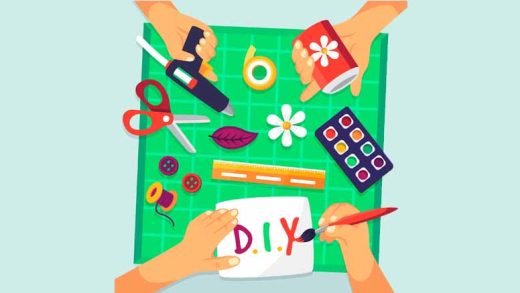
- Art exploration
- Building tasks
- Nature observation
- Collaborative play experiences
These activities help children engage multiple senses while learning.
Preschool Teaching Methods Have Changed Significantly
Traditional preschool teaching methods often focused heavily on:
- Repetition
- Memorisation
- Worksheets
- Teacher-led instruction
Modern preschool education increasingly values:
- Inquiry-based learning
- Creativity
- Emotional development
- Problem-solving
- Communication skills
Project-based learning reflects this broader educational shift.
Social Skills Develop Naturally Through Projects
Children participating in projects often work together to:
- Share materials
- Discuss ideas
- Solve problems
- Build collaborative creations
These social interactions help children develop:
- Communication skills
- Patience
- Cooperation
- Empathy
This social growth is one reason project-based learning in preschool is so effective.
Language Development Through Project Exploration
Projects naturally encourage conversation and storytelling.
Children may:
- Describe observations
- Ask questions
- Share ideas
- Retell experiences
This strengthens:
- Vocabulary
- Communication confidence
- Listening comprehension
Language develops most effectively when children feel emotionally engaged and curious.
Emotional Development Through Project-Based Learning
Projects help children build emotional confidence because they:
- Participate actively
- Make choices
- Solve manageable problems
- Share ideas openly
Children feel a sense of ownership over learning experiences.
This emotional engagement supports stronger motivation for long-term learning.
Indian Context: Why Experiential Learning Matters Today
In many traditional educational settings, children were expected to:
- Memorise information
- Follow rigid instructions
- Focus heavily on academics early
However, modern Indian parents increasingly recognise the importance of:
- Creativity
- Emotional intelligence
- Communication skills
- Independent thinking
As a result, project-based learning for preschoolers is becoming more relevant in Indian early childhood education.
How Projects Connect Learning Across Subjects
One major strength of project-based learning is that children learn multiple concepts simultaneously.
For example, a “market” project may involve:
- Counting fruits
- Role-playing conversations
- Learning colours
- Understanding community roles
- Creating artwork
This integrated learning feels more natural and meaningful for young children.
Why Children Remember Project-Based Learning More Deeply
Children often remember experiences more strongly than isolated lessons.
Projects create:
- Emotional involvement
- Active participation
- Sensory experiences
- Social interaction
These factors help strengthen memory and understanding naturally.
The Role of Teachers in Project-Based Learning
Teachers in project-based classrooms act more as:
- Guides
- Facilitators
- Observers
- Encouragers
Rather than delivering all answers directly, teachers help children:
- Explore ideas
- Ask questions
- Investigate concepts independently
This child-centred approach supports curiosity and confidence.
Common Misconceptions About Project-Based Learning
“Children Are Just Playing”
Play in early childhood is deeply connected to learning and development.
“Projects Are Too Advanced for Preschoolers”
Young children naturally investigate and explore their environment every day.
“Academic Learning Gets Ignored”
Projects often integrate literacy, numeracy, communication, creativity, and problem-solving simultaneously.
Understanding these misconceptions helps parents appreciate the value of project-based learning in preschool.
Long-Term Benefits of Project-Based Learning
Children exposed to project-based learning often:
- Develop stronger curiosity
- Build communication confidence
- Think more independently
- Adapt more comfortably to new ideas
- Enjoy learning more deeply
These qualities support both academic and emotional growth in the long term.
Global Relevance of Project-Based Learning
Across the world, educators increasingly recognise that children need more than memorisation-based education.
Modern learning environments increasingly prioritise:
- Creativity
- Inquiry
- Collaboration
- Experiential learning
- Emotional engagement
Project-based learning aligns closely with these evolving educational goals.
Why Parents Appreciate Project-Based Learning
Parents often notice that children participating in projects:
- Talk more enthusiastically about school
- Ask more questions at home
- Become more observant
- Engage more creatively with everyday experiences
Learning becomes part of the child’s natural curiosity rather than a forced activity.
Last Thoughts
Early childhood education is changing rapidly across the world, and for good reason. Young children are naturally curious, imaginative, expressive, and eager to explore their surroundings. Educational approaches that encourage investigation, creativity, collaboration, and hands-on exploration often help children develop a deeper understanding and stronger emotional engagement with learning.
This is the true value of project-based learning for preschoolers. Rather than simply teaching children what to think, it encourages them to ask questions, explore ideas, solve problems, and connect learning to the world around them.
At Kangaroo Kids, the integration of project-based learning in preschool reflects a broader commitment to child-centred education that values curiosity, creativity, communication, emotional confidence, and experiential learning during the earliest years of development.
For families seeking learning environments that nurture imagination, collaboration, storytelling, play-based exploration, emotional growth, and meaningful real-world learning experiences from the earliest years, understanding the educational philosophy and classroom approach at Kangaroo Kids can provide valuable insight into how project-based learning, role play, creative inquiry, and hands-on discovery are thoughtfully integrated into everyday preschool education.