In India, seasonal transitions can be especially noticeable because temperatures, humidity, rainfall, and air quality can change quickly. If you are wondering how to keep your little one healthy without becoming anxious about every sneeze, start with everyday habits. Nutrition, sleep, hygiene, activity, hydration, emotional security, and timely medical care work together to support a developing immune system.
Why Does Seasonal Weather Affect Toddlers?
Toddlers are still developing immune defences and are naturally curious about their surroundings. They touch toys, floors, playground equipment, books, food, and each other, then frequently touch their faces. Seasonal changes can also bring greater exposure to respiratory viruses, stomach infections, mosquitoes, and allergens.
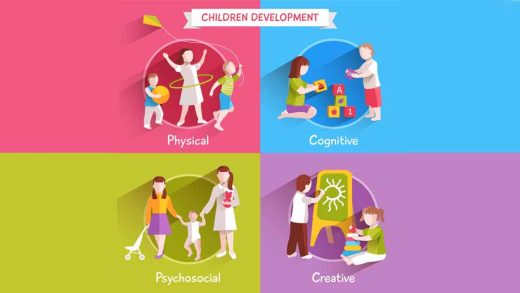
At Kangaroo Kids, child wellbeing is a key foundation for meaningful learning. Its approach combines play, exploration, movement, storytelling, and nurturing relationships, helping children develop in an environment that supports both learning and wellbeing. This whole-child perspective is useful for parents too: immunity is supported by a pattern of healthy habits, not a single food or supplement.
Can Food Support a Toddler’s Immune Health?
Build Meals Around Variety
Food is one of the simplest places to begin. Rather than searching for one magical ingredient, offer a varied diet containing fruits, vegetables, whole grains, pulses, dairy or suitable alternatives, and protein-rich foods such as eggs, beans, fish, chicken, or lean meat. These provide nutrients required for normal growth and immune function. Include foods that strengthen your immune system across the week rather than relying on one meal.
Foods to build immune system health should be part of ordinary family meals. Think dal with vegetables, fruit with breakfast, curd with lunch, or an egg alongside whole-grain toast. Foods to strengthen immune system function are not separate from everyday nutritious foods.
What Should Your Toddler Drink?
Keep Hydration Simple
Water should be the everyday drink. Offer it regularly, particularly after active play and during hot or humid weather. Milk can contribute nutrients when suitable, while sugary drinks should be limited.
A practical food-to-boost-your-immune-system strategy isn’t about a special beverage. It is about giving the body adequate fluids alongside nutritious meals. Foods that help immune system health also cannot compensate for poor hydration, insufficient sleep, or an unbalanced diet.
How Much Sleep and Activity Does Your Toddler Need?
Adequate sleep supports growth, learning, mood, and normal immune function. Keep bedtime and wake-up times reasonably consistent, even when the weather changes. A calm evening routine can include bathing, quiet play, books, and conversation.
Daily movement matters too. Encourage age-appropriate active play indoors or outdoors depending on weather and local conditions. Kangaroo Kids highlights play and exploration as important parts of early learning, and active children have regular opportunities to move, experiment, and engage with their surroundings.
What Hygiene Habits Should You Teach?
Make Cleanliness Routine, Not Frightening
Toddlers can learn simple hygiene through repetition. Teach them to wash hands before eating, after using the toilet, after outdoor play, and after coughing or sneezing. Keep nails clean, encourage covering coughs and sneezes, and avoid sharing cups or utensils when someone is unwell.
These habits support foods that strengthen your immune system as part of a broader healthy routine. Hygiene does not make children immune to infection, but it can help reduce the spread of many germs.
Should Toddlers Avoid Outdoor Play During Weather Changes?
Parents may become cautious when the weather changes, but children don’t need to stay all day indoors. Outdoor play supports physical activity, exploration, and wellbeing. Choose appropriate times and locations, check local weather conditions, and provide suitable clothing.
Kangaroo Kids describes outdoor play as part of children’s opportunities to explore and develop. For families, safe walks, gardening, cycling, or playground time can be simple ways to maintain activity.
The best foods that build your immune system cannot replace movement, rest, and fresh air. Similarly, an immune booster foods approach should fit within an active daily routine.
When Should You Speak to a Doctor?
Most seasonal coughs and colds resolve without complications. Still, parents should seek medical advice if a child has difficulty breathing, a persistent or unusually high fever, signs of dehydration, severe lethargy, repeated vomiting, or symptoms that worsen or don’t improve. If your toddler has an underlying medical condition or specific nutritional needs, ask a qualified healthcare professional for individual advice.
Do not start vitamins, herbal remedies, or supplements simply because you want foods to support your immune system. Supplements may be appropriate in some circumstances, but a healthcare professional can determine whether you need them.
How Can Parents Build Strong Habits Without Stress?
No single diet supports immune health, and no food guarantees protection from seasonal illness. A sensible routine includes varied meals, adequate water, sufficient sleep, regular movement, hygiene, recommended vaccinations, and responsive care.
A diet that supports immune health should therefore look like normal family nutrition, not a complicated health programme. Likewise, to improve immune system diet planning, concentrate on balance and variety. A diet that strengthens immune function is simply a nourishing pattern repeated consistently.
The most useful foods that strengthen your immune system are the ones your child can eat regularly as part of a varied diet. Foods that strengthen your immune system are not a substitute for medical care, and foods to support your immune system should never be presented as a cure for infection.
Read More: Assisting Your Children in Ending Their Habit of Throwing Food: 6 Methods
Last Thoughts
Seasonal changes are normal, and illness is expected as toddlers encounter germs. Parents can support resilience through food, sleep, hygiene, movement, and healthcare, including foods that strengthen your immune system daily.
At Kangaroo Kids, learning is designed around children’s development, curiosity, relationships, and active participation. For parents, choosing a nurturing environment that values these foundations can complement the healthy routines established at home.
For families looking for a preschool where learning goes beyond academics, exploring the admission process at Kangaroo Kids can offer insight into an environment where play, storytelling, exploration, and caring relationships support children’s confidence, curiosity, wellbeing, and readiness to learn.