When your child picks up a handful of soil in a garden, they may see only dirt, but that small handful is part of a living system. Soil supports plants, insects, microorganisms and, ultimately, the food we eat. For Indian parents, this can begin with familiar examples such as overflowing bins, plastic wrappers, construction waste and litter near parks. This awareness can grow into responsible habits. Understanding land pollution also helps children connect everyday choices with the health of communities and nature.
What Is Land Pollution? A Simple Explanation for Your Child
Land pollution happens when harmful substances or waste accumulate on the Earth’s land and damage soil, plants, animals or surrounding ecosystems. A simple way to explain soil pollution is to compare healthy soil with a clean kitchen. Just as spoiled food or chemicals can make a kitchen unsafe, harmful waste can reduce soil quality. This soil pollution description is useful for young learners because it turns an abstract environmental issue into something they can understand.
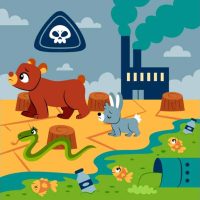
Land pollution may come from household rubbish, plastic, industrial waste, agricultural chemicals, sewage, mining and construction debris. When pollutants enter soil, they can also move into groundwater or be absorbed by plants.
What Are the Main Causes of Soil Pollution?
Everyday Waste at Home and in the Community
One common cause of soil pollution is careless waste disposal. Plastic bags, wrappers, batteries, electronic waste and other discarded materials can collect in open spaces. In some communities, waste management can be challenging when bins overflow or rubbish is dumped illegally. Teaching children to use bins correctly and separate waste where systems allow is a practical first step.
Farming, Industry and Construction
Agriculture can contribute to soil contamination when fertilisers and pesticides are used excessively or incorrectly. Industrial activity may release chemicals, metals and other pollutants. Mining and construction can disturb soil and leave behind waste. These are a reason for soil pollution because they can affect large areas.
What Are the Effects of Soil Pollution?
The effects of soil pollution can appear in several ways. Polluted soil may lose nutrients and become less suitable for growing healthy plants. Some pollutants can harm earthworms, insects and microorganisms that help maintain soil health. When toxic substances enter crops, they may also affect food chains.
Soil pollution can influence water quality too. Rainwater may carry pollutants deeper into the ground or into nearby streams and lakes. This connection is especially useful for children to explore during India’s monsoon season, when heavy rainfall can move waste from streets and open areas into waterways.
What Are the Consequences of Soil Pollution?
The consequences of soil pollution extend beyond the soil itself. Damaged land can reduce plant growth, affect biodiversity and contribute to unhealthy habitats. Polluted water can create additional environmental problems, while contaminated agricultural land can threaten food production.
A wrapper left on the ground may seem insignificant, but repeated littering across a neighbourhood can create a much larger problem. Learning this connection encourages children to think beyond immediate convenience.
Why Should Indian Parents Teach Children About Land Pollution?
Children learn environmental responsibility best when ideas are connected to everyday life. Parents can point out litter during a walk, discuss where household waste goes, or involve children in simple gardening. Kangaroo Kids encourages learning experiences that connect children with their surroundings, making environmental concepts meaningful through exploration, observation and hands-on experiences.
Rather than frightening children with stories about environmental damage, parents can focus on what they can do. Ask questions such as, “What happens when plastic is left in the soil?” or “What could we do with this waste instead?” These conversations develop observation, reasoning and responsibility.
Simple Ways to Prevent Land Pollution at Home
Make Waste Sorting a Family Habit
Teach children that different kinds of waste may need different disposal methods. Keep the explanation age-appropriate and follow the waste-segregation practices available in your local area. Children can help identify paper, food scraps, recyclable materials and items that require special disposal.
Reduce Single-Use Waste
Reusable bottles, lunch containers and shopping bags can reduce the amount of waste entering landfills and public spaces. Encourage children to notice how often an item is used and whether they can reuse it. Small habits repeated every day can become powerful environmental lessons.
Turn Gardening into Learning
A small balcony planter, terrace garden or community garden can help children discover healthy soil. Let them observe leaves, roots, worms and insects without disturbing them. Composting suitable kitchen waste, where practical and locally supported, can also demonstrate how organic material returns nutrients to the soil.
A Child-Friendly Way to Explain Soil Pollution
If your child asks you to explain soil pollution, keep the message simple: soil becomes polluted when harmful waste or chemicals make the land unhealthy. Then connect the idea to action.
Clean surroundings, responsible waste disposal, careful use of resources and respect for nature all help protect soil.
Ask your child to imagine being a soil detective who looks for clues about what keeps a garden healthy. Such activities help children remember concepts because they are actively involved rather than simply memorising definitions.
Read More: Best Hands-On Environmental Activities for Kids
Last Thoughts
Land pollution is not only an environmental topic for older students. Preschoolers can begin understanding it through simple observations and everyday choices. When children learn that soil supports plants, animals, food and water, they begin to see why caring for the land matters. The goal is not perfection. It is to nurture awareness, curiosity and responsible habits that can grow with the child.
For parents looking for an early learning environment where children can explore nature, ask questions and build responsible habits through meaningful experiences, Kangaroo Kids offers an approach that connects creativity, communication and hands-on learning. Exploring the preschool’s learning philosophy and admission journey can help parents understand how such experiences become part of a child’s everyday development.