A friend recently told me about a difficult evening with her four-year-old. His carefully built block tower had collapsed, and within seconds he was crying, shouting, and pushing the blocks away. She tried explaining that it was “only a tower,” but that made him more upset. Later, she wondered whether she should have handled things differently. It reminded me that feelings that seem small to adults can feel enormous to young children. At four, children are still learning what emotions are, how to name them, and what to do when feelings become overwhelming. Simple conversations and activities for preschoolers about feelings can give children a vocabulary for their inner world.
Why Do Four-Year-Olds Experience Emotions So Intensely?
A four-year-old can feel disappointment, jealousy, excitement, embarrassment, anger, fear, and affection, but may not yet have the language or self-control to manage these experiences smoothly.
Their emotional skills are developing alongside their thinking and communication abilities. A child may therefore hit when angry, hide when nervous, or cry intensely when disappointed.
Acknowledging an emotion does not encourage bad behaviour. It helps children understand themselves.
Start by Giving the Feeling a Name
Children cannot easily talk about something they cannot identify. Begin with simple words such as happy, sad, angry, scared, worried, excited, frustrated, and lonely.
You might say, “You look disappointed because the game ended,” or, “I think you are nervous about meeting your new teacher.”
Naming feelings is one of the simplest activities for preschoolers because it connects physical sensations and behaviour with emotional vocabulary.
Avoid telling children what they must feel. Instead, offer possibilities and let them correct you.
Separate Feelings From Behaviour
Every feeling can be accepted, but every behaviour cannot.
A useful message is, “It is okay to feel angry. It is not okay to hit.”
This distinction allows children to experience difficult emotions without believing they are bad for having them. At the same time, parents maintain clear boundaries.
Many preschool lessons about feelings use this principle to help children understand that emotions provide information, while actions involve choices.
Use Stories to Begin Emotional Conversations
Four-year-olds often find it easier to discuss a character’s feelings than their own.
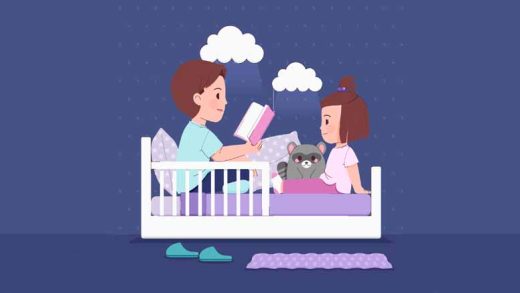
While reading, pause occasionally and ask, “How do you think she feels?” “Why might he be worried?” or “What could make this character feel better?”
Stories are valuable activities for preschoolers about feelings because they let children explore emotions at a comfortable distance while developing empathy and perspective.
Try a Feelings Faces Game
Draw simple faces showing happiness, sadness, anger, surprise, worry, and excitement. Ask your child to identify each expression and copy it.
Among easy emotional activities for preschoolers, this builds awareness of facial expressions and helps children notice emotional signals in other people.
Create a Feelings Scale
Young children often describe emotions in extremes. A visual scale can help them recognise intensity.
Draw three faces representing a little upset, quite upset, and very upset. Ask your child to point to how strong the feeling is.
These activities about emotions for preschoolers teach that feelings can change in strength.
Talk About What Emotions Feel Like in the Body
Emotions are physical experiences too. Anger might make fists tighten. Nervousness can make the stomach feel strange. Excitement may make a child want to jump.
Ask, “Where do you feel worry in your body?” or, “What happens to your face when you get angry?”
This helps children recognise emotional signals early.
Teach Calm-Down Strategies When Children Are Calm
The middle of a tantrum is not the best time to introduce a complicated technique.
Practise beforehand. Children can take slow breaths, count fingers, hug a cushion, drink water, draw, sit quietly with an adult, or ask for space.
Different calming strategies work for different children.
Avoid Rushing to Fix Every Feeling
Parents naturally want children to be happy, but disappointment and frustration are normal parts of life.
If a friend will not share a toy, you don’t always need to solve the situation immediately. Listen first.
Try saying, “That really disappointed you. Tell me what happened.”
Everyday conversations reinforce that difficult feelings can be safely discussed.
For parents, these conversations also build trust, showing children that home is a safe place to discuss confusing feelings without embarrassment, punishment, or immediate judgement.
Let Your Child See You Manage Emotions
Children learn emotional regulation by watching adults.
You might say, “I am frustrated because we are late, so I am going to take a breath and think about what to do.”
If you shout, acknowledge it later and apologise.
How Can Kangaroo Kids Support Emotional Learning?
A preschool environment offers daily opportunities to practise waiting, sharing, negotiating, cooperating, communicating needs, and recovering from disappointment.
At Kangaroo Kids, child-centred and play-based experiences can provide meaningful opportunities for communication, social interaction, creativity, and growing independence. Stories, role-play, collaborative experiences, and conversations can also help children explore different perspectives and feelings.
Home and preschool together can create a consistent message that emotions deserve attention, while children can gradually learn constructive ways to express them.
Read More: How Art Helps Children Express Emotions They Can’t Yet Name
Last Thoughts
Talking about big emotions does not mean turning every difficult moment into a lesson. Often, a four-year-old first needs a calm adult who listens.
Name feelings, maintain behavioural boundaries, read stories, discuss characters, practise calming strategies, and model emotional honesty yourself. Regular activities for preschoolers about feelings can gradually help children understand that anger, fear, sadness, excitement, and disappointment are manageable parts of life.
The goal is not to prevent children from experiencing big emotions. It is to help them recognise what they feel, communicate it safely, and discover that difficult feelings eventually pass.
For parents looking for an early-learning environment that nurtures emotional expression alongside creativity, communication, imagination, and independence, exploring the admission process at Kangaroo Kids can offer useful insight into how storytelling, role-play, play-based exploration, and supportive interactions become meaningful opportunities for young children to understand themselves, connect with others, and develop confidence as learners.