One afternoon, a friend anxiously showed me a list she had downloaded from the internet titled “Things Every 3-Year-Old Should Know.” She looked worried because her son could not identify every letter of the alphabet, count confidently to 20, or write his name. “Is he falling behind?” she asked. A few minutes later, her little boy wandered into the room, greeted everyone politely, shared his toys with another child without being prompted, and enthusiastically described a caterpillar he had seen during a nature walk at preschool. It struck me that his greatest achievements were not on that checklist at all. Like many parents, my friend had focused on academic abilities, while overlooking the remarkable emotional, social, language, and thinking skills her son had gained during his first preschool year.
This is one of the biggest misconceptions about early education. The end of a child’s first preschool year is not measured by how many worksheets they complete or how much they can memorise. Instead, educators look for a broad range of developmental milestones that indicate healthy progress across every area of learning. At Kangaroo Kids, children are encouraged to grow intellectually, emotionally, socially, physically, and creatively through experiences that make learning meaningful and enjoyable.
Understanding Developmental Milestones
Parents often hear the phrase developmental milestones, but what does it actually mean?
These are age-appropriate abilities that children typically develop over time.
They include progress in:
- Language
- Thinking
- Movement
- Social interaction
- Emotional confidence
- Independence
Rather than being strict targets, developmental milestones help parents and teachers understand whether children are progressing in healthy ways.
Every child develops at a unique pace.
Looking Beyond Academics
The first preschool year is not designed to create miniature scholars.
Instead, it lays the foundation for lifelong learning.
A quality preschool focuses on helping children:
- Become curious
- Ask questions
- Communicate confidently
- Build friendships
- Develop independence
These developmental milestones prepare children for future academic success far more effectively than early memorisation alone.
Language and Communication Milestones
One of the biggest areas of growth during the first preschool year is communication.
By the end of the year, many children can:
- Speak in longer sentences
- Express their needs clearly
- Answer simple questions
- Follow two- or three-step instructions
- Enjoy conversations
These important child development milestones support later reading, writing, and learning.
Storytelling, songs, conversations, and classroom discussions all strengthen vocabulary naturally.
Social Development You Should Expect
Friendships become increasingly important at this age.
Many 3-year-old milestones involve learning to interact with others.
Children gradually learn to:
- Share toys
- Take turns
- Participate in group activities
- Wait patiently
- Cooperate with classmates
Although occasional disagreements remain normal, children begin to develop empathy and understanding.
Emotional Growth Matters Just as Much
Parents often focus on academic progress while overlooking emotional development.
Some valuable developmental milestones include:
- Expressing feelings with words
- Seeking help when needed
- Becoming more confident away from parents
- Recovering from disappointment
- Showing affection and kindness
At Kangaroo Kids, emotional well-being is considered essential because children learn best when they feel safe and secure.
Thinking and Problem Solving Skills
Young children are naturally curious.
Many milestones for 3-year-old children involve learning how to think rather than simply remembering information.
Children begin:
- Sorting objects
- Matching colours and shapes
- Completing simple puzzles
- Recognising patterns
- Asking thoughtful questions
Inquiry-based learning encourages children to become active thinkers instead of passive learners.
Fine Motor Development
The first preschool year also strengthens small muscle control.
Children typically improve their ability to:
- Hold crayons comfortably
- Turn book pages
- Build block towers
- Use child-safe scissors
- Thread large beads
These physical developmental milestones support later handwriting and classroom tasks.
Gross Motor Skills Continue Developing
Movement remains central to early childhood development.
Children often become more confident in:
- Running
- Jumping
- Climbing
- Balancing
- Throwing and catching balls
Physical activity also supports concentration, confidence, and healthy brain development.
Early Literacy Skills
Parents often expect children to read by the end of preschool.
In reality, the focus is on building strong foundations.
Children begin to:
- Recognise their own names
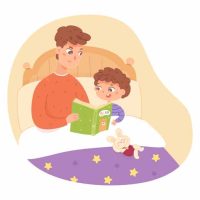
- Enjoy books
- Listen to stories
- Identify familiar sounds
- Sing rhymes
These experiences create positive attitudes toward reading rather than unnecessary pressure.
Early Numeracy Skills
Children also begin exploring mathematical thinking.
Rather than memorising calculations, they learn to:
- Count small groups of objects
- Compare sizes
- Recognise simple shapes
- Understand basic quantities
Play makes these ideas enjoyable and meaningful.
Creativity and Imagination
Creative expression represents another important area of developmental milestones.
Children experiment through:
- Painting
- Pretend play
- Music
- Dance
- Building activities
These experiences strengthen imagination, communication, and flexible thinking.
Independence Is a Major Achievement
One of the biggest successes during the first preschool year involves growing independence.
Many children begin:
- Packing away toys
- Washing hands independently
- Carrying their own bags
- Following classroom routines
- Making simple choices
These everyday achievements often matter more than academic facts.
Read More: Everything You Need to Know About Moral Development of Preschoolers
How the Preschool Curriculum Supports Growth
A well-designed preschool curriculum develops the whole child.
Rather than separating learning into isolated subjects, activities integrate:
- Language
- Movement
- Creativity
- Science
- Social interaction
- Problem solving
This balanced approach helps children achieve a wide range of developmental milestones naturally through play and exploration.
Why Comparison Can Be Misleading
Parents naturally compare children.
However, one child may excel in language while another develops stronger motor skills first.
Healthy developmental milestones allow for individual variation.
Teachers observe patterns of growth over time rather than isolated abilities.
Preschool Readiness Is About More Than Knowledge
Many parents think preschool readiness means recognising letters and numbers.
Equally important are skills such as:
- Listening
- Following routines
- Managing emotions
- Working with others
- Showing curiosity
These qualities prepare children for continued success.
Preschool Skills That Build Lifelong Learning
The most valuable preschool skills often cannot be measured on traditional report cards.
Children learn:
- Confidence
- Resilience
- Curiosity
- Independence
- Communication
- Cooperation
These qualities remain valuable throughout life.
Last Thoughts
The end of the first preschool year is not a race toward academic perfection. Instead, it is a celebration of the many developmental milestones children achieve as they grow into confident, curious, and capable learners. Communication, creativity, friendships, emotional resilience, independence, and problem-solving are every bit as important as recognising letters or counting objects.
When parents focus on the whole child instead of isolated academic achievements, they gain a much clearer understanding of healthy early childhood development. Every new friendship, thoughtful question, confident conversation, and independent decision represents meaningful progress that lays the foundation for future success.
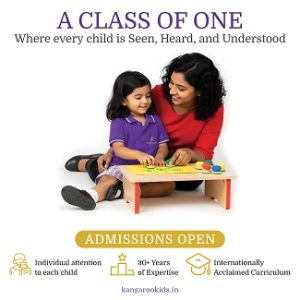
For parents looking for a preschool where every stage of development is thoughtfully nurtured, exploring the admissions journey at Kangaroo Kids offers valuable insight into how storytelling, role-play, inquiry-led exploration, and play-based learning are carefully woven into everyday experiences that help young children reach important milestones with confidence and joy.