One morning, I accompanied a friend to drop her three-year-old daughter off at preschool. The little girl burst into tears the moment they reached the classroom door. She wrapped both arms tightly around her mother and begged her not to leave. My friend drove home feeling guilty and spent the next hour wondering whether she should have brought her daughter back instead.
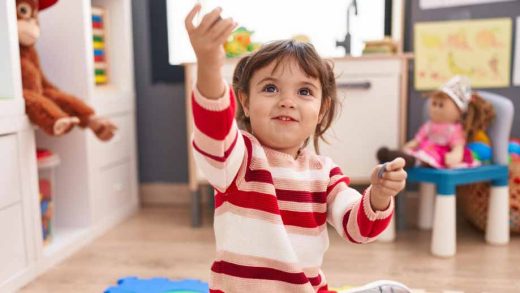
Later that afternoon, when she picked her up, the teacher showed her photographs from the day. There was her daughter smiling during story time, laughing with classmates, painting colourful pictures, and happily playing outdoors. My friend could hardly believe it was the same child who had cried so intensely just a few hours earlier. The teacher smiled and said, “She settled within five minutes.” That conversation reflects what countless preschool teachers witness every day.
Many parents assume that crying at drop-off means their child is unhappy throughout the school day. In reality, that is rarely the case. For many young children, the tears are not about disliking school. They are simply part of the process of adjusting to saying goodbye. Understanding why this happens can help parents approach the first day of preschool and the weeks that follow with greater confidence and far less worry.
Why Children Cry at Drop-Off
Leaving a parent can feel like a significant event for a young child.
Preschool introduces:
- New teachers
- New classmates
- New routines
- A different environment
Even when children enjoy school, saying goodbye can temporarily trigger strong emotions.
This is particularly common during the first day of preschool and the early weeks that follow.
Crying is often a way for children to express uncertainty rather than unhappiness.
Understanding Separation Anxiety
The most common reason for morning tears is separation anxiety.
Young children naturally develop strong emotional attachments to their caregivers.
When those caregivers leave, children may briefly worry about:
- When parents will return
- Whether they are safe
- What will happen next
Fortunately, these concerns usually disappear once children become engaged in classroom activities.
Child Separation Anxiety Is Completely Normal
Parents sometimes fear something is wrong.
In reality, child separation anxiety is a healthy developmental stage experienced by many preschoolers.
It shows that children have formed secure attachments with their caregivers.
As children gain confidence in their teachers and classroom environment, this anxiety gradually decreases.
Why Children Calm Down So Quickly
Their Attention Shifts
Young children naturally focus on what is happening around them.
Once parents leave, teachers gently redirect attention toward:
- Toys
- Music
- Storytelling
- Art
- Friends
Within minutes, children’s emotions often shift completely.
This is why teachers frequently reassure parents that the crying stopped almost immediately.
Teachers Know What to Do
Experienced preschool educators expect emotional mornings.
Rather than forcing children to stop crying, they acknowledge their emotions and introduce enjoyable activities.
This combination of reassurance and engagement helps children settle naturally.
Why the First Day of Preschool Feels So Different
The first day of preschool represents a major milestone.
Everything is unfamiliar.
Children are processing:
- New faces
- New sounds
- New expectations
It is perfectly reasonable for this adjustment to produce emotional reactions.
Fortunately, the first day of preschool is rarely an accurate reflection of how children will feel after a few weeks.
Separation Anxiety in Children Looks Different for Everyone
Every child expresses separation anxiety differently.
Some children:
- Cry loudly
- Become quiet
- Cling to parents
- Refuse to let go
Others appear confident initially and become emotional several days later.
There is no single “correct” adjustment pattern.
Parents Often Feel Worse Than Children
One surprising reality is that parents often carry the emotional burden longer than children do.
After leaving the school premises, parents may spend hours worrying.
Meanwhile, many children:
- Join circle time
- Make new friends
- Explore learning stations
- Enjoy outdoor play
Teachers witness this transformation daily.
What Happens During the First Five Minutes?
The first few minutes after parents leave are carefully managed.
Teachers typically:
- Welcome the child warmly
- Offer comforting words
- Introduce an interesting activity
- Encourage interaction with classmates
This gentle transition helps children move from emotional distress to active participation.
At Kangaroo Kids, teachers recognise that every interaction during these early moments builds trust.
Separation Anxiety Preschool Strategies That Work
Experienced educators use several proven approaches to manage separation anxiety in preschool settings.
These include:
- Predictable routines
- Calm reassurance
- Positive distractions
- Child-centred activities
- Consistent communication
These strategies help children develop confidence without forcing emotions aside.
Why Preschool Anxiety Usually Improves Quickly
Many cases of preschool anxiety improve simply because children become familiar with their environment.
After several days, children begin recognising:
- Teachers
- Friends
- Classroom routines
- Favourite activities
Familiarity creates emotional security.
Children quickly learn that preschool is enjoyable and that parents always return.
How Indian Parents Can Help
Keep Goodbyes Short
Lengthy farewells often increase emotional distress.
Instead:
- Give one hug.
- Say goodbye confidently.
- Leave calmly.
Consistency is reassuring.
Avoid Sneaking Away
Leaving without saying goodbye may seem easier.
However, it can reduce trust because children may worry that their parents could disappear unexpectedly.
Always say goodbye, even if tears follow.
Supporting the Preschool Transition
The preschool transition is one of the first significant changes in a child’s life.
Parents can support this process by:
- Talking positively about school
- Reading books about preschool
- Visiting the classroom beforehand
- Maintaining consistent routines
Preparation reduces uncertainty.
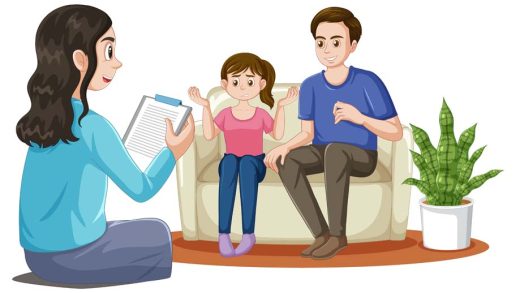
When Should Parents Be Concerned?
Most children adjust within several weeks.
Parents may wish to seek additional guidance if:
- Distress remains intense for many months.
- Children consistently refuse to attend school.
- Anxiety worsens over time.
- Physical complaints become frequent.
Teachers and child development professionals can provide helpful support.
Separation Anxiety at School Does Not Mean Preschool Is Failing
Parents sometimes assume crying means the preschool environment is unsuitable.
In most situations, separation anxiety at school reflects normal emotional development rather than problems with the school.
The key question is not whether children cry during drop-off.
It is whether they gradually settle and participate once inside the classroom.
Teachers can provide valuable reassurance about this.
Read More: Parental tips to prepare your child for the Preschool Phase
Last Thoughts
Watching your child cry during the first day of preschool or at morning drop-off can be emotionally overwhelming. However, those tears rarely tell the whole story. In many cases, children settle within minutes once they become engaged in familiar routines, caring interactions, and enjoyable activities.
Understanding separation anxiety, recognising that child separation anxiety is a normal developmental stage, and trusting experienced educators can make this transition much easier for the entire family. Every successful goodbye helps children develop independence, resilience, and confidence that will benefit them throughout their educational journey.
For families seeking a preschool that thoughtfully supports emotional transitions alongside creativity, communication, and meaningful learning, exploring the admissions process at Kangaroo Kids offers valuable insight into how storytelling, role-play, inquiry-based experiences, and play-centred learning help children feel secure, confident, and genuinely excited to begin each new school day.