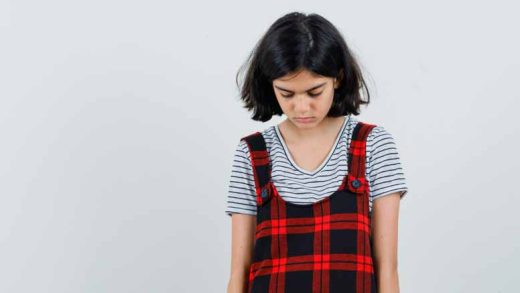
A close friend once shared a story about her five-year-old son that stayed with me for years. Like many young children, he loved board games. One evening, after losing a game to his older cousin, he burst into tears, pushed the game pieces aside, and refused to continue playing. His parents initially viewed the reaction as simple frustration. But over the following months, they noticed similar responses whenever things did not go according to plan. A missed turn, a broken toy, or an unexpected change in routine could quickly trigger a strong emotional reaction.
Then something interesting happened. As he progressed through preschool, his teachers began helping him recognise emotions, take deep breaths, solve problems, and express disappointment in healthier ways. Gradually, the same child who once struggled to cope with setbacks began saying things such as, “I’m upset right now, but I’ll try again.”
His intelligence had not suddenly increased. His talents had not changed. What had improved was his ability to manage his thoughts, emotions, and behaviour.
This skill is known as self regulation in children, and many educators believe it is one of the strongest predictors of long-term success. While parents often focus on literacy, numeracy, and academic readiness, self-regulation influences nearly every aspect of a child’s development. At Kangaroo Kids, helping children build emotional awareness, resilience, and self-management skills forms an important part of the learning journey because these abilities support success not only in school, but throughout life.
What is Self-Regulation?
One of the most common questions parents ask is, “What is self-regulation?”
Simply put, self-regulation refers to a child’s ability to:
- Manage emotions
- Control impulses
- Adapt behaviour appropriately
- Stay focused on tasks
- Respond thoughtfully to challenges
When discussing self-regulation, it is important to understand that this skill does not mean suppressing emotions.
Instead, it means learning how to recognise, understand, and manage emotions effectively.
Understanding Self-Regulation Meaning
The meaning of self-regulation extends beyond behaviour management.
It involves a child’s ability to:
- Pause before reacting
- Recover from disappointment
- Follow instructions
- Wait patiently
- Solve problems calmly
- Manage frustration
Healthy self-regulation allows children to respond to situations thoughtfully rather than impulsively.
This ability develops gradually throughout childhood and continues strengthening into adolescence.
Why Self-Regulation in Children Matters So Much
Many parents naturally focus on academic skills.
However, research consistently suggests that self-regulation in children plays a major role in:
- Academic achievement
- Emotional well-being
- Social relationships
- Problem-solving abilities
- Mental health
- Long-term resilience
A child who can manage emotions effectively often finds it easier to:
- Participate in learning
- Build friendships
- Handle challenges
- Adapt to change
This is why educators increasingly view self-regulation in children as a foundational life skill.
Why Preschool Is the Perfect Time to Build Self-Regulation
The preschool years are a critical period for brain development.
During this stage, children begin developing:
- Emotional awareness
- Executive functioning
- Impulse control
- Attention management
These abilities form the foundation of self-regulation.
At Kangaroo Kids, educators understand that self-regulation develops through daily experiences rather than formal instruction alone.
Children learn by:
- Practising
- Observing
- Receiving guidance
- Reflecting on experiences
How Self-Regulation Supports Learning
Learning requires more than intelligence.
Children also need to:
- Listen attentively
- Follow instructions
- Persist through challenges
- Work collaboratively
- Manage distractions
These abilities depend heavily on self-regulation in children.
For example, a child who becomes frustrated by a difficult puzzle but continues trying is demonstrating important self-regulation skills.
Such experiences help build perseverance and confidence.
The Connection Between Emotions and Learning
Emotions influence learning far more than many adults realise.
Children who feel:
- Overwhelmed
- Anxious
- Frustrated
- Angry
often struggle to engage effectively with learning experiences.
Healthy self-regulation helps children:
- Recognise emotions
- Express feelings appropriately
- Recover from setbacks
- Return attention to learning tasks
This emotional flexibility supports both academic and social development.
Read More: A Complete Guide on the Best Mental Health Activities for Kids
Why Indian Parents Often Misunderstand Self-Regulation
In many households, emotional control is sometimes confused with obedience.
A child who remains quiet may appear regulated.
However, true self-regulation in children is not about silence or compliance.
Instead, it involves:
- Understanding emotions
- Managing impulses
- Making thoughtful choices
Children need opportunities to practise these skills rather than simply being told how to behave.
How Self-Regulation Develops Naturally
Self-regulation is not an ability that children are born with fully developed.
It grows gradually through experiences such as:
- Waiting for a turn
- Sharing resources
- Solving conflicts
- Managing disappointment
- Following routines
Each of these situations provides opportunities for growth.
At Kangaroo Kids, teachers intentionally create environments that support these learning experiences.
Signs of Strong Self-Regulation in Children
Children with developing self-regulation skills may:
- Wait briefly before reacting
- Recover from frustration more quickly
- Follow simple routines
- Complete age-appropriate tasks
- Manage transitions effectively
It is important to remember that perfection is not the goal.
Even adults continue strengthening self-regulation throughout life.
How Play Supports Self-Regulation
Play is one of the most effective tools for developing self-regulation.
During play, children learn to:
- Follow rules
- Cooperate
- Negotiate
- Manage emotions
- Solve problems
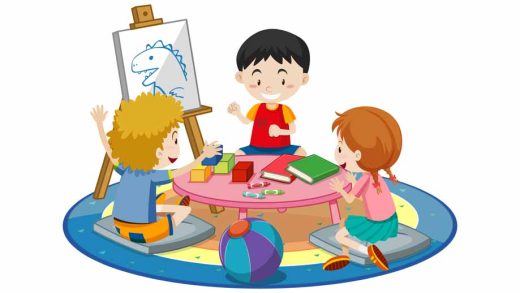
Board games, pretend play, and collaborative activities all strengthen self-regulatory abilities.
This is one reason play-based learning remains central to quality early childhood education.
Why Routines Help Children Develop Self-Regulation
Predictable routines provide children with structure and security.
When children know what to expect, they can focus more energy on:
- Learning
- Social interaction
- Emotional management
Consistent routines help strengthen self-regulation in children by reducing uncertainty and supporting independence.
Storytelling and Emotional Understanding
Stories provide powerful opportunities for emotional learning.
Children naturally identify with characters who experience:
- Happiness
- Fear
- Frustration
- Excitement
- Disappointment
Through storytelling, children learn:
- Emotional vocabulary
- Empathy
- Perspective-taking
These experiences support healthy self-regulation by helping children understand emotions more clearly.
Why Movement Matters
Many people associate self-regulation with sitting still.
However, movement often supports emotional regulation.
Physical activity helps children:
- Release energy
- Improve mood
- Increase focus
- Reduce stress
At Kangaroo Kids, movement is integrated throughout the day because active bodies often support calmer, more regulated minds.
How Teachers Support Self-Regulation
Teachers play an important role in helping children develop self-regulatory skills.
Effective educators:
- Model calm behaviour
- Encourage emotional awareness
- Teach problem-solving
- Support reflection
- Create emotionally safe environments
At Kangaroo Kids, teachers view mistakes and challenges as valuable learning opportunities.
Rather than simply correcting behaviour, they help children understand and manage it.
Common Mistakes Indian Parents Make
Expecting Immediate Control
Self-regulation develops gradually over many years.
Punishing Emotional Expression
Children need opportunities to express feelings appropriately.
Solving Every Problem
Allowing children to work through manageable challenges helps strengthen resilience.
Comparing Children
Developmental timelines vary significantly from child to child.
Recognising these patterns can help parents support growth more effectively.
Practical Ways Indian Parents Can Encourage Self-Regulation
Parents can strengthen self-regulation in children through everyday interactions.
Helpful strategies include:
Naming Emotions
Help children identify feelings using simple language.
Encouraging Problem-Solving
Ask questions rather than immediately providing solutions.
Maintaining Predictable Routines
Consistency supports emotional security.
Modelling Regulation
Children learn by observing adult behaviour.
Celebrating Progress
Focus on growth rather than perfection.
These small habits create powerful developmental benefits over time.
Long-Term Benefits of Self-Regulation
Children who develop strong self-regulation skills often:
- Build healthier relationships
- Perform better academically
- Adapt more effectively to change
- Solve problems more confidently
- Demonstrate greater resilience
These abilities remain valuable throughout adulthood.
How Kangaroo Kids Nurtures Self-Regulation
At Kangaroo Kids, self-regulation is supported through:
- Play-based learning
- Storytelling
- Social interaction
- Collaborative activities
- Emotional literacy programs
- Child-centred learning experiences
The goal is not simply to teach children to behave appropriately.
The goal is to help them understand themselves, manage challenges, and develop the confidence to navigate an increasingly complex world.
Read More: Typical Behaviour- Understanding Child Behaviours by Age
Last Thoughts
While academic knowledge remains important, many of the skills that determine long-term success are emotional and behavioural rather than purely intellectual. The ability to manage frustration, adapt to change, solve problems, wait patiently, and recover from setbacks influences nearly every aspect of life.
This is why self-regulation in children deserves greater attention from both parents and educators. It is not simply a behavioural skill. It is a foundation for learning, relationships, resilience, confidence, and emotional well-being.
At Kangaroo Kids, children are supported through experiences that help them understand emotions, build independence, strengthen resilience, and develop healthy self-management skills. Through storytelling, play-based learning, collaborative activities, and emotionally responsive teaching practices, children gradually learn how to navigate challenges with confidence and self-awareness.
For families seeking learning environments that nurture emotional intelligence, confidence, communication, creativity, and lifelong learning skills, exploring the educational philosophy and admissions journey at Kangaroo Kids can provide valuable insight into how play-based experiences, storytelling, role play, and meaningful social interactions help children develop the self-regulation skills they need to thrive both inside and outside the classroom.