A close friend of mine became deeply invested in early childhood development long before her daughter was born. During pregnancy, she spent months researching global child development practices, Montessori principles, sensory integration, infant psychology, and early learning environments. By the time the baby arrived, she and her husband had redesigned large parts of their home according to international child-friendly standards. Natural lighting replaced harsh interiors. Textured play corners, soft tactile surfaces, open movement spaces, sensory toys, calming colours, music areas, and safe exploratory zones became part of everyday life. Every detail was carefully chosen to encourage curiosity, movement, comfort, and sensory stimulation.
As her daughter grew into a curious and expressive toddler, my friend could clearly see the impact of those decisions. The child explored fearlessly, responded well to sounds and textures, communicated confidently, and remained deeply engaged with the world around her. But when the time finally came to search for a preschool, my friend faced an unexpected challenge. Many schools looked colourful and academically advanced, but very few offered the kind of sensory-rich environment she had worked so hard to create at home.
That experience reflects a growing concern among modern parents. Today, many families understand the importance of emotional learning, play-based education, and holistic growth, but sensory development is still often overlooked in preschool environments. Yet research increasingly shows that sensory exploration plays a critical role in early brain development.
At Kangaroo Kids, sensory learning is meaningfully integrated into the preschool experience because children learn best when they can touch, move, hear, explore, observe, and actively interact with their surroundings. Thoughtfully designed sensory activities for preschoolers help build strong neural connections while supporting creativity, emotional confidence, communication, and problem-solving abilities during the most important years of brain development.
Why Early Brain Development Depends on Sensory Experiences
During the first few years of life, a child’s brain develops at an extraordinary pace.
Neural pathways strengthen through repeated experiences involving:
- Touch
- Sound
- Movement
- Sight
- Smell
- Exploration
- Social interaction
This is why thoughtfully designed sensory activities for preschoolers are so valuable during early childhood.
What Are Sensory-Rich Environments?
A sensory-rich environment encourages children to actively explore the world using multiple senses.
These environments may include:
- Textures
- Sounds
- Movement spaces
- Natural materials
- Water play
- Sand exploration
- Music
- Visual stimulation
- Open-ended play opportunities
Rather than limiting children to passive instruction, sensory-rich spaces encourage active learning and exploration.
At Kangaroo Kids, classrooms are designed to support this style of experiential learning.
Why Sensory Games for Preschoolers Matter
Young children naturally learn through sensory interaction.
This is why sensory games for preschoolers are far more than simple entertainment.
These activities help children:
- Strengthen neural connections
- Improve coordination
- Build attention spans
- Regulate emotions
- Develop communication skills
- Explore creativity
Examples of sensory games for preschoolers include:
- Water play
- Clay modelling
- Texture matching
- Sensory bins
- Sound exploration
- Nature play
These experiences support cognitive and emotional growth simultaneously.
How Sensory Activities for Preschoolers Support Brain Development
The brain develops through repeated sensory experiences.
Thoughtful sensory activities for preschoolers help strengthen:
- Memory
- Attention
- Problem-solving
- Emotional regulation
- Motor coordination
Children who actively explore sensory experiences often develop stronger observational and cognitive skills.
This is why sensory learning remains an important part of modern early childhood education worldwide.
Why Indian Parents Should Care About Sensory Learning
In many traditional educational environments, children are expected to:
- Sit still
- Memorise information
- Follow instructions passively
However, modern developmental science increasingly shows that young children learn best through:
- Movement
- Exploration
- Touch
- Curiosity
- Play
- Emotional engagement
This growing awareness is encouraging more Indian parents to seek schools that integrate sensory activities for preschoolers into everyday learning experiences.
Sensory Activities for Nursery Classrooms Build Confidence
Young children entering nursery programs are still developing emotional comfort and environmental awareness.
Thoughtful sensory activities for nursery classrooms help children:
- Feel emotionally secure
- Explore independently
- Build confidence gradually
- Adjust more comfortably to school environments
Activities involving textures, music, movement, and tactile exploration often help children settle into preschool more naturally.
Sensory Ideas for Preschoolers Encourage Curiosity
Children are naturally curious learners.
Creative sensory ideas for preschoolers encourage children to:
- Ask questions
- Explore materials
- Observe differences
- Experiment independently
For example:
- Mixing colours during water play
- Exploring leaves and natural textures
- Listening to different sounds
- Building with sensory materials
These experiences strengthen curiosity and active engagement with learning.
Why Sensory Play for Preschoolers Supports Emotional Development
One often overlooked benefit of sensory play for preschoolers is emotional regulation.
Sensory activities can help children:
- Calm themselves
- Process emotions
- Build focus
- Develop patience
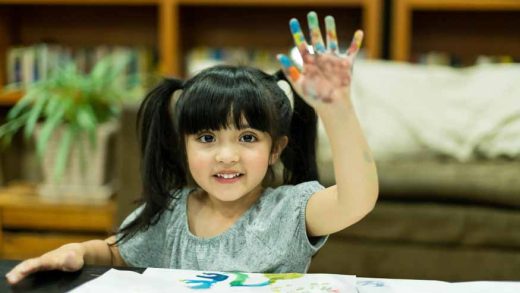
Activities such as clay play, water exploration, sand trays, or textured art experiences often provide emotional comfort and relaxation for young children.
How Sensory Activities for Kindergarten Support School Readiness
As children grow older, thoughtfully designed sensory activities for kindergarten continue to support:
- Fine motor development
- Focus
- Problem-solving
- Creativity
- Communication confidence
These experiences help children transition more comfortably into structured learning environments later.
Sensory Play Activities for Preschoolers Encourage Communication
Children often communicate more naturally while actively engaged in play.
This is why sensory play activities for preschoolers also support:
- Vocabulary growth
- Social interaction
- Storytelling
- Emotional expression
For example:
- Children describing textures build language skills
- Collaborative sensory play encourages conversation
- Role play during sensory exploration strengthens imagination
Communication develops most effectively through meaningful interaction.
Sensory Activities for 3-5 Year Olds Build Independence
Children between the ages of three and five are rapidly developing:
- Curiosity
- Physical coordination
- Social awareness
- Emotional confidence
Thoughtful sensory activities for 3-5 year olds encourage children to:
- Make choices independently
- Explore confidently
- Solve small problems
- Build concentration naturally
These experiences support both emotional and cognitive growth.
Why Sensory Development in Children Matters Long Term
Healthy sensory development in children influences:
- Learning readiness
- Attention control
- Emotional regulation
- Communication abilities
- Physical coordination
Children who experience rich sensory environments often become:
- More adaptable
- More curious
- More emotionally expressive
- More engaged learners
Sensory learning strongly influences how children experience and interact with the world.
Read More: What Does a Sensory Play Area Look Like and Why Every Preschool Should Have One
How Kangaroo Kids Integrates Sensory Learning
At Kangaroo Kids, sensory learning is thoughtfully woven into:
- Storytelling
- Art exploration
- Water play
- Music and movement
- Nature experiences
- Collaborative activities
- Creative classroom setups
The goal is not simply stimulation for entertainment, but meaningful sensory experiences that support healthy development.
This child-centred approach reflects modern understanding of early brain development.
Why Sensory-Rich Preschools Matter More Today
Modern childhood has changed dramatically.
Many children now spend more time:
- Indoors
- On screens
- In structured routines
- With limited outdoor exploration
As a result, sensory-rich preschool environments have become even more important for balanced development.
Children need opportunities to:
- Move freely
- Explore textures
- Interact socially
- Engage creatively
- Experience the physical world actively
Common Misunderstandings About Sensory Learning
Sensory Play Is Not Just “Messy Fun”
Thoughtful sensory exploration supports important brain development processes.
Sensory Activities Are Not Only for Toddlers
Older preschoolers continue benefiting from sensory-rich learning environments.
Academic Learning and Sensory Play Can Coexist
Sensory learning actually strengthens attention, communication, and problem-solving abilities.
Understanding these points helps parents appreciate the deeper value of sensory activities for preschoolers.
Long-Term Benefits of Sensory-Rich Learning Environments
Children exposed to sensory-rich environments often:
- Build stronger confidence
- Develop healthier curiosity
- Improve communication skills
- Strengthen creativity
- Adapt more comfortably socially
These qualities support both academic and emotional growth in the long term.
Last Thoughts
My friend’s experience highlights a growing reality for modern parents. Many families today understand the importance of creating emotionally supportive, stimulating, and developmentally rich environments at home. Yet when children enter preschool, those same standards are not always easy to find.
Understanding the value of sensory activities for preschoolers and sensory games for preschoolers helps parents recognise that sensory learning is not an optional extra in early childhood education. It is a foundational part of healthy brain development. Through movement, touch, sound, exploration, creativity, and active interaction, children build the neural, emotional, social, and cognitive foundations that shape lifelong learning.
At Kangaroo Kids, sensory-rich learning environments are thoughtfully integrated into everyday preschool experiences through storytelling, sensory exploration, collaborative activities, movement, creative play, and child-centred classroom design that supports healthy development across every stage of early childhood.
For families seeking learning environments that nurture creativity, emotional confidence, communication, sensory exploration, imaginative learning, and holistic child-centred development from the earliest years, understanding the educational philosophy and classroom approach at Kangaroo Kids can provide meaningful insight into how sensory-rich experiences, storytelling, role play, creative inquiry, and play-based learning are thoughtfully integrated into everyday preschool education.