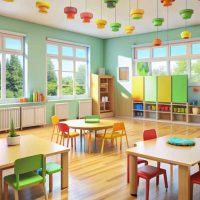
Take a walk into a well-designed preschool classroom today, and you will likely notice more than just books and toys. You may see sand trays, water tables, textured walls, colourful materials, and quiet corners filled with soft objects. These are not random additions. They are part of a thoughtfully created sensory play area.
In early childhood education, sensory games for preschoolers play a crucial role in how children explore, learn, and understand the world. Whether in India or anywhere in the world, sensory play is increasingly recognised as essential, not optional.
This article explores what a sensory play area looks like, how it functions, and why every preschool should integrate sensory games for preschoolers into daily learning.
What Is Sensory Play?
Before diving into the setup, it’s important to understand “what is sensory play”?
Sensory play includes activities that stimulate a child’s senses:
- Touch
- Sight
- Sound
- Smell
- Taste
Through these experiences, children build neural connections that support learning, movement, and behaviour. This is why sensory activities for preschoolers are a key part of early education.
Why Sensory Play Matters in Early Childhood
The early years are a period of rapid brain development. During this time, children learn best through hands-on experiences.
Benefits of Sensory Play
The benefits of sensory play include:
- Improved motor skills
- Enhanced language development
- Better problem-solving abilities
- Stronger memory and focus
In fact, the benefits of sensory play extend beyond academics, supporting emotional regulation and social interaction.
What a Sensory Play Area Looks Like
A sensory play area is not just a corner with toys. It is a carefully planned environment designed to engage multiple senses.
Key Elements of a Sensory Play Area
1. Tactile Zones
These areas focus on touch-based experiences.
Examples:
- Sand pits
- Water tables
- Clay and dough stations
These sensory play activities for preschoolers help children explore textures and develop fine motor skills.
2. Visual Stimulation Areas
Bright colours, patterns, and light play are used to engage sight.
Examples:
- Colour sorting stations
- Light tables
- Pattern boards
These elements support sensory ideas for preschoolers that enhance visual recognition and creativity.
3. Auditory Spaces
Sound-based activities help children develop listening skills.
Examples:
- Musical instruments
- Sound matching games
- Rhythm activities
Such sensory activities for kids improve auditory processing and coordination.
4. Movement and Balance Zones
Physical movement is a key part of sensory development.
Examples:
- Climbing structures
- Balance beams
- Soft play equipment
These activities support sensory play for children, helping them understand body movement and spatial awareness.
5. Quiet Sensory Corners
Not all sensory play is active. Some children benefit from calm, low-stimulation spaces.
Examples:
- Soft cushions
- Weighted blankets
- Books and tactile objects
These areas help children regulate emotions and recharge.
Read More: Sensory Exploration for Kids through Herbs and Spices
Sensory Activities for Nursery and Preschoolers
Sensory play begins early, even before preschool.
Sensory Activities for Nursery
For younger children, sensory activities in the nursery stage focuses on simple exploration:
- Water splashing
- Soft textures
- Basic sound play
Sensory Activities for Preschoolers
As children grow, sensory activities for preschoolers become more structured:
- Sorting objects
- Pattern recognition
- Problem-solving tasks
These activities build on earlier experiences and support deeper learning.
Sensory Games for Preschoolers in Action
At the heart of every sensory play area are engaging sensory games for preschoolers.
Examples of Sensory Games
- Finding hidden objects in sand
- Matching textures
- Water pouring and measuring
- Colour mixing experiments
These sensory play activities encourage curiosity and active participation.
Sensory Play Activities That Support Learning
Sensory play is not separate from academics. Rather, it enhances it.
Language Development
Children describe what they feel, see, and hear, improving vocabulary.
Math Skills
Sorting and grouping activities introduce early math concepts.
Social Skills
Group sensory play activities for preschoolers encourage sharing and collaboration.
Preschool Classroom Setup Ideas for Sensory Play
Designing an effective sensory area requires thoughtful planning.
Preschool Classroom Setup Ideas
- Divide the space into clear zones
- Use safe, child-friendly materials
- Ensure easy access and supervision
- Rotate activities to maintain interest
These preschool classroom setup ideas help create a balanced and engaging environment.
Sensory Play in Local Settings
In India, sensory play can be easily integrated using everyday materials.
Examples
- Playing with rice, pulses, or grains
- Rangoli patterns for visual stimulation
- Water play during warm weather
These culturally relevant sensory ideas for preschoolers make learning both accessible and meaningful.
Sensory Play for Preschoolers at Home
Parents can also create simple sensory experiences at home.
Easy Activities
- Mixing flour and water
- Sorting household items
- Playing with safe kitchen tools
These sensory activities for kids reinforce what children learn in preschool.
Read More: Engaging Sensory Play Ideas for Young Children
Why Every Preschool Should Have a Sensory Play Area
1. Supports Holistic Development
Sensory play addresses physical, cognitive, and emotional growth.
2. Enhances Engagement
Children are naturally drawn to hands-on activities, making sensory games for preschoolers highly effective.
3. Encourages Inclusive Learning
Sensory play benefits children with different learning styles and needs.
4. Builds Independence
Children learn to explore and make decisions on their own.
These factors highlight the importance of integrating sensory play for preschoolers into early education.
Common Mistakes to Avoid
Overstimulating the Environment
Too many colours or sounds can overwhelm children.
Lack of Structure
While play should be free, some guidance is necessary.
Ignoring Safety
Materials should always be age-appropriate and safe.
Avoiding these mistakes ensures that sensory games for preschoolers remain effective and enjoyable.
The Science Behind Sensory Play
Sensory experiences strengthen neural connections in the brain.
Key Benefits
- Improved memory
- Better focus
- Enhanced problem-solving
These outcomes reinforce the benefits of sensory play and its role in early development.
Global Perspective on Sensory Learning
Across the world, early education systems emphasise Sensory Play for Preschoolers.
Common Practices
- Play-based curricula
- Hands-on learning environments
- Child-centered teaching
These approaches align with the growing recognition of sensory play for children as a foundational learning tool.
Final Thoughts
A sensory play area is more than just a fun addition. It is a vital part of early childhood education. Through engaging sensory games, preschoolers learn to explore, experiment, and understand the world around them.
In India and globally, the shift toward experiential learning highlights the importance of sensory play. By creating environments that stimulate the senses, preschools can support holistic development and foster a lifelong love of learning.
When children are given the freedom to touch, feel, hear, and explore, they don’t just play; they grow. For parents looking to provide such enriching experiences in a structured environment you can explore the admission process at Kangaroo Kids Preschool, where thoughtfully designed spaces and play-based learning come together to support every child’s development.