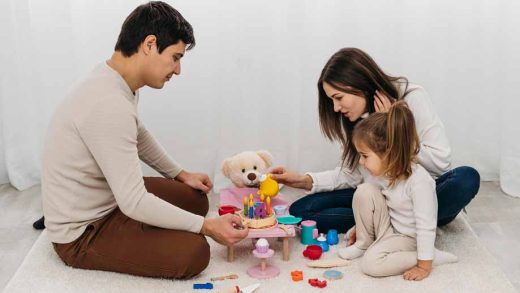
The First Steps Toward Friendship Friendship is one of the most meaningful experiences in a child’s early years. From sharing toys to playing side by side, these early interactions shape how children connect with others throughout life. For many parents, especially in India where community and relationships are highly valued, a common concern is how to help kids make friends.
While it may seem like a natural process, young children often need guidance to navigate social interactions. This article explores practical, gentle ways to support children in building friendships, handling conflicts, and developing empathy. As a child grows, these skills are essential for lifelong relationships.
Why Friendship Matters in Early Childhood
Social Development Begins Early
Friendships help children:
- Learn communication
- Build trust
- Develop emotional understanding
Understanding how to help kids make friends early ensures that children grow into socially confident individuals.
Emotional and Cognitive Benefits
Friendships contribute to:
- Confidence and self-esteem
- Problem-solving skills
- Emotional regulation
These benefits make early social experiences crucial for development.
Understanding How Young Children Make Friends
Parallel Play: The First Stage
In early years, children often engage in parallel play, where they play alongside others rather than directly with them. This stage is normal and important. Parents learning how to help kids make friends should recognise that:
- Interaction develops gradually
- Sharing and cooperation come with time
Moving Toward Interactive Play
As children grow, they begin to:
- Share toys
- Engage in group activities
- Communicate with peers
This transition marks the beginning of true friendships.
Teaching Sharing and Caring for Kids
Why Sharing Is Important
Sharing and caring for kids is a foundational social skill. It helps children:
- Build trust
- Develop empathy
- Strengthen relationships
How to Teach Sharing
Parents can:
- Model sharing behavior
- Use simple language (“Let’s take turns”)
- Avoid forcing sharing immediately
Teaching sharing is a key part of how to help kids make friends.
Developing Empathy in Preschoolers
Understanding Others’ Feelings
Developing empathy in preschoolers means helping children recognise and respond to others’ emotions. Parents can encourage empathy by:
- Naming emotions (“He looks sad”)
- Asking reflective questions
- Modelling kindness
Practical Ways to Build Empathy
- Read stories about emotions
- Role-play different scenarios
- Encourage helping behavior
Empathy is essential for building meaningful friendships.
Practical Tips on How to Help Kids Make Friends
Encourage Social Opportunities
Create Interaction Spaces: Children need opportunities to meet and interact with peers. Examples:
- Parks and playgrounds
- Family gatherings
- Preschool activities
These environments support how to help kids make friends naturally.
Teach Simple Social Skills
Basic Skills to Practice: Children should learn to:
- Say “hello” and “goodbye”
- Introduce themselves
- Ask to join a game
These small steps make a big difference.
Model Positive Behavior
Be a Role Model: Children learn by observing adults. Parents can:
- Demonstrate polite communication
- Show kindness and respect
- Handle conflicts calmly
Playdates: A Structured Way to Build Friendships
Setting Playdate Rules
Organised playdates provide a safe environment for social interaction. Simple playdate rules include:
- Sharing toys
- Taking turns
- Using polite language
Tips for Successful Playdates
- Keep playdates short (1–2 hours)
- Limit the number of children
- Provide engaging activities
Playdates are an effective way to practice how to help kids make friends.
Handling Conflicts and Disagreements
Why Conflicts Are Normal
Conflicts are a natural part of social learning. Children may:
- Fight over toys
- Disagree during play
- Feel upset
Understanding this helps parents guide children effectively.
Teaching Conflict Resolution
Simple Strategies:
- Encourage children to use words instead of actions
- Help them express feelings
- Guide them toward solutions
For example:
- “Let’s take turns”
- “How can we solve this together?”
These strategies support how to help kids make friends.
Avoiding Common Mistakes
- Forcing Friendships: Children should not be forced to interact. Allow them to build connections naturally. Respect their comfort levels.
- Over-Intervening: Parents should guide, not control. Step in only when necessary. Allow children to solve small conflicts.
- Comparing Children: Every child develops social skills at their own pace. Avoid comparisons and focus on individual growth.
Role of Parents in Social Development
Creating a Supportive Environment
Parents should:
- Encourage interaction
- Provide opportunities for play
- Offer guidance and support
Building Confidence
Children who feel secure at home are more likely to:
- Approach others
- Initiate conversations
- Build friendships
Activities That Encourage Friendship
Group Games
Examples:
- Passing the ball
- Building together
- Simple team games
These activities promote cooperation.
Storytelling
Learning Through Stories: Stories about friendship teach:
- Kindness
- Sharing
- Empathy
Role Play
Practicing Social Scenarios: Role play helps children:
- Practice conversations
- Understand social situations
- Build confidence
Long-Term Benefits of Early Friendships
Children who learn how to help kids make friends early are more likely to:
- Build strong relationships
- Develop emotional intelligence
- Handle social challenges effectively
These skills are essential for lifelong success.
Supporting Different Personality Types
- For Introverted Children: Encourage small group interactions. Provide gentle support. Avoid pressure.
- For Extroverted Children: Teach listening skills. Encourage empathy. Guide behavior.
Understanding personality differences helps parents support social development.
Practical Daily Routine
Simple Steps to Follow
- Morning: Practice greetings
- Afternoon: Encourage play with peers
- Evening: Discuss social experiences
This routine reinforces how to help kids make friends.
Common Challenges and Solutions
- Difficulty Sharing: Solution: Practice turn-taking. Use timers if needed.
- Fear of Social Interaction: Solution: Start with familiar environments. Gradually introduce new settings.
- Frequent Conflicts: Solution: Teach communication skills. Model calm behavior.
Building Friendships That Last
Friendship is a skill that develops over time with guidance, practice, and patience. By understanding how to help kids make friends, parents can support children in building meaningful relationships. From sharing toys to resolving conflicts, every interaction is a learning opportunity.
With the right support, children can develop empathy, confidence, and social skills that will benefit them throughout life. We all have seen that the friendships built in early childhood often become the foundation for a lifetime of meaningful relationships. So, in Indian homes and across the world, one truth remains universal: friendships are not just about playing together. They are about learning to connect, care, and grow. Learn how Kangaroo Kids builds foundational social skills in the early years.