Last night, during dinner, my little one paused mid-bite and asked, “Amma, why we celebrate dussehra? And did Ravana need ten pillows?” I almost choked on the roti. Ten pillows, honestly, I had never thought of that. I told her I’d explain, but in kid language, not the long grown-up way.
That also took me back to my own childhood. The huge mela, the super meethi jalebi syrup on my fingers – sitting on my father’s shoulders while everyone waited for the giant Ravana to light up. When it burned, the cheer felt like a cricket stadium. Back then, I didn’t know why. Now I do. And I want my child to know too, to understand the importance of dussehra festival. I’am sure you too want to and probably that’s why you are here, reading this blog. no? So let me share my tricks 🙂
A tiny story kids can carry
This is the festival dussehra story for kid ears, the pocket version I use:
“Long long ago, there was a kind and brave king named Rama. A powerful king, Ravana, who had ten heads, took away Rama’s wife, Sita. Rama was terribly sad and said to himself, “I will bring back my queen safely anyhow”. With his brother Lakshmana and his most loyal friend Hanuman, he fought bravely and got back Sita. People were happy because their favorite king had won. And that is why we celebrate Dussehra.”
Say it slowly. Smile. If they ask about ten heads, I say, “Imagine a helmet shop trying to keep up.”
This simple version works beautifully as a dussehra story for kindergarten too. Keep it short. Keep it warm.
Why do we celebrate, really?
Kids will always ask the follow-up. Mine did. Yours will too! So here is how I explain the importance of Dussehra without sounding like a textbook:
- Goodness takes time but wins. Sometimes you wait, sometimes you try again, but you keep going.
- Too much pride makes trouble. Ravana had brains and power, but his pride was noisy.
- Courage can be quiet. Rama was steady, calm, and brave. That counts.
- Friends help. No one wins alone. Hanuman and the vanara sena mattered.
Those four lines are my quick answer to “why we celebrate Dussehra”. If they ask again tomorrow, I repeat. Repetition is how small people make sense of big ideas. Also, yes, I say “why we celebrate Dussehra” out loud so the phrase sticks for them. You can also add examples for each of these points from your own life with your kid. That too helps.
Parent pocket script: the moral story for Dussehra
Think of this as a cheat sheet you can read right off your phone at bedtime. Not technical. Just story-true.
- Ravana’s ten heads also stand for ten bad habits people talk about: anger, greed, jealousy, pride, and the rest. When we “burn Ravana,” we are really trying to let go of those things inside us.
- Rama wins because he keeps choosing what is right even when it is slow or hard. People trust him, so they help him.
- Hanuman shows loyalty and big-hearted courage. Strength with love is real strength.
- Sita’s patience matters. Being strong is not only about fighting. It is also about holding on to what is right.
- In the end, truth and kindness last. That is the moral story Dussehra gives to children and to us.
- If you need one line for school drop-off: “Do the right thing, even when it is hard.” That is also the moral story Dussehra wraps in fireworks and songs.
Celebrations then and now
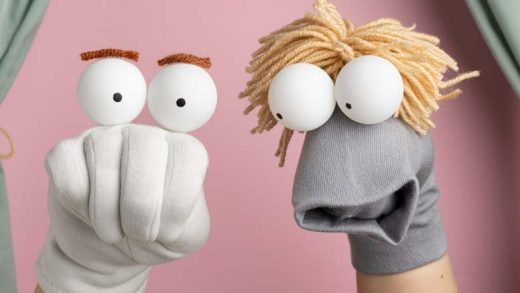
I tell my child what I saw growing up. Huge effigies. Crackers. Crowds. It was exciting. Then she asks, “But smoke is bad for birds, right?” She is not wrong. So we also talk about how many families now choose greener ways to mark the day: school Ram Lila, puppet shows, drawing, story circles, tiny symbolic effigies that are eco-friendly.
The heart is the same. We keep the story, we change the method. That, for me, is the importance of Dussehra in today’s world too. If this resonates with you, you can try it too with your child.
Try these at home
Kids learn with their hands. A few easy ideas you can do between homework and bedtime:
- Paper Ravana: draw ten funny heads. Together, write one “not-so-nice habit” on each, like “snatching crayons” or “telling lies.” Tear them up. Laugh a little while you do it.
- Good Deeds Jar: nine days, nine chits. One good act on each. Open the jar on Dussehra night and read them out like award announcements.
- Dress-up corner: a toy bow for Rama, a scarf for Sita, a paper crown for Ravana, a tail for Hanuman. Two chairs become a forest. Done.
- Story relay: each person tells one part. Let the kids change a detail or two. The giggles carry the message farther than a lecture ever will.
These turn the importance of Dussehra into something they can feel, not just hear.
Fun facts kids love to repeat
Dussehra is also called Vijayadashami. It means “day of victory.” It feels good to say it out loud together.
Dates shift every year because we follow a lunar calendar. Moon decides, we follow.
Ravana wasn’t just a “villain.” He was a scholar and a musician who played the veena. Nuance matters.
In many homes, people also set aside time to respect their tools and books on this day. Work and learning are sacred too.
Share one of these as a lunchbox note. Watch it travel from child to classroom to teacher to grandparents. Could be your proud parenting moment 🙂
Across India, many flavors of the same story
I like telling my child that our country celebrates in many ways. Ram Lila plays in the north with bright costumes and loud cheers. Durga Puja in Bengal, where the focus is on the Goddess defeating Mahishasura. Mysore’s royal procession with music and elephants. Different scenes, same idea. Goodness wins, pride falls, try again tomorrow if today is tough.
A quick repeat for preschoolers
Sometimes they want it again. So I do a super small version, perfect as a Dussehra story for kindergarten tots:
“Rama is kind and brave. Ravana takes Sita away. Rama, with help, wins. People celebrate because good wins.”
Then I ask, “What good thing did you do today?” If she says, “I shared my snack,” I say, “Exactly.”
An end note for parents
You do not need to explain the entire Ramayana this year. You can keep it small. A simple story. Two or three values they can try at school tomorrow. A greener way to celebrate. That is enough. Later, they can read more. For now, sit close, tell the tale, answer the pillow question, and smile.
And if someone asks you again in the car or at bedtime, “Why do we celebrate Dussehra?”, you have your answer ready. Simple words. Warm voice. The idea will land.
A note from Kangaroo Kids
At Kangaroo Kids International Preschool, we turn festivals into living story time. Children act, draw, sing, and talk their way through traditions so the ideas become habits. Dussehra, especially, helps us practice kindness, courage, and care for the environment in small everyday ways. That is how stories grow into character, and that’s what we teach at Kangaroo Kids.