In India’s evolving educational landscape, traditional classroom teaching is undergoing an exciting transformation. For decades, rote memorisation reigned supreme. Today, educators and parents are recognising that experiential learning for kids creates deeper, more lasting learning than memorising facts.
This modern approach supports a shift from rote learning toward meaningful, concept-based understanding that lasts throughout life.
What Is Experiential Learning?
Experiential learning for kids is an educational approach in which children engage directly with learning materials through activities, hands-on experiences, and real-world applications.
Instead of passively listening to lectures, learners actively participate in educational activities. As the Times of India explains, experiential learning allows students to “reflect on actions, analyse different perspectives, and apply knowledge practically”.
Modern vs. Old School: Changing the Face of Education
The Limits of Rote Memorisation
Traditional education in India has long relied on rote memorisation, or “ratta-fication”. While this might help with short-term exam recall, it doesn’t equip children with the skills needed to solve real problems.
In contrast, experiential learning focuses on activity-based learning, where engagement helps learners internalise concepts. This aligns with the goals set by India’s National Education Policy (NEP) 2020, which emphasises real-world learning and critical thinking.
Why Experiential Learning Lasts Longer
1. Deeper Conceptual Understanding
One of the strongest arguments for experiential learning for kids is that it fosters deep, conceptual understanding. Rather than simply learning a fact, children experience concepts in action.
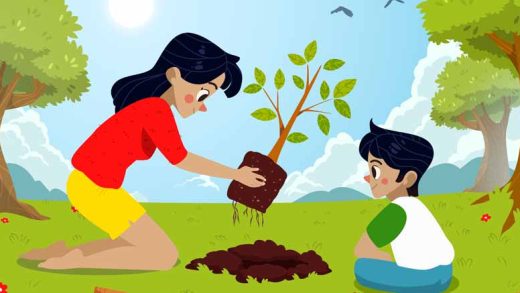
For example, observing a seed grow makes the concept of photosynthesis real and engaging. This is the power of hands-on learning: turning abstract ideas into tangible experiences.
2. Stronger Engagement and Motivation
Children naturally want to explore. Experiential learning for kids taps into this curiosity by making learning active. Research shows that hands-on, participatory activities improve retention and conceptual clarity.
3. Development of Critical Life Skills
Beyond intellectual understanding, experiential learning for kids cultivates essential life skills:
- Critical thinking and problem-solving: Analysing and making decisions in real-world situations.
- Communication and collaboration: Teamwork in group activities.
- Creativity and innovation: Experimenting with multiple solutions.
4. Better Emotional and Social Development
Experiential learning encourages reflection and self-awareness. When children grapple with real challenges, they develop emotional resilience and social awareness.
Comparing Rote Learning and Experiential Learning
Aspect | Rote Learning | Experiential Learning |
Focus | Memorisation | Understanding and application |
Engagement | Passive | Active and participatory |
Skill development | Limited | Critical thinking, creativity, and communication |
Retention | Short-term | Long-term, meaningful |
Motivation | External (grades) | Internal (curiosity, relevance) |
Real-World Examples of Experiential Learning
Field Trips and Community Projects
A field trip to a local historical site brings classroom concepts alive. Many schools participate in community projects that teach environmental stewardship, examples of activity-based learning that extend beyond the textbook.
Science Experiments and STEM Activities
Students experiment with physics or biology concepts instead of memorising formulas. Virtual labs and maker spaces encourage inquiry, allowing students to “learn by doing”.
Arts, Sports, and Practical Workshops
Hands-on experiences like theatre, painting, and sports teach problem-solving and collaboration.
Aligning with India’s Educational Goals
The shift towards experiential learning for kids is embedded in the national educational vision. NEP 2020 emphasises activity-based learning and critical thinking. States like Uttar Pradesh are experimenting with “bagless days” for experiential tasks, demonstrating a commitment to changing how children learn.
Preparing Kids for the Future
Today’s children must become adaptable thinkers and innovative doers. Experiential learning for kids equips them with these competencies. Parents are increasingly reporting that a mix of digital tools and real-world learning is the best way to prepare children for future success.
Learning That Lasts
In comparing the modern approach of experiential learning with the old school method of rote memorisation, it is clear: education that emphasises understanding produces learners who remember and apply what they know.
By embracing experiential learning for kids, India’s education system is preparing children not just for exams, but for life. At Kangaroo Kids, our curriculum is designed around these principles to foster a lifelong love for learning.