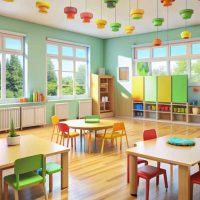
A few years ago, I visited a preschool with a friend who was searching for the right school for her daughter. As we toured different classrooms, one room immediately felt different. Children were gathered around books, some were listening to a story, others were drawing and labelling pictures, and a few were enthusiastically discussing a poster about insects. There were books within easy reach, labels on shelves, children’s writing displayed on walls, and storytelling corners that invited exploration.
What surprised me most was that no one was formally teaching reading at that moment. Yet literacy seemed to be everywhere. Children were naturally interacting with language, symbols, stories, pictures, and conversations throughout the day.
As we left, my friend remarked, “This classroom feels alive.”
She was right. A literacy-rich classroom is not defined by worksheets, spelling drills, or children quietly memorising words. It is an environment where language, communication, storytelling, listening, speaking, reading, and early writing become part of everyday experiences.
Today, educators around the world recognise that literacy development begins long before a child learns to read independently. At Kangaroo Kids, literacy is viewed as a lifelong journey that starts with curiosity, communication, imagination, and meaningful interactions. Understanding what makes a literacy-rich classroom effective can help parents make more informed decisions about their child’s early learning environment.
Why Literacy Begins Before Reading
Many parents associate literacy with reading books independently.
However, literacy actually begins much earlier.
Children develop literacy through:
- Listening
- Speaking
- Storytelling
- Conversations
- Songs
- Rhymes
- Pretend play
Before children learn to read words, they first learn to understand language.
This is why educators often ask an important question: literacy level is an aspect of which environment?
The answer is that literacy develops most effectively within environments that immerse children in meaningful language experiences every day.
Understanding What a Print-Rich Classroom Really Means
A print-rich classroom is an environment where written language is visible, accessible, meaningful, and connected to daily experiences.
Children encounter print naturally through:
- Labels
- Storybooks
- Posters
- Charts
- Name cards
- Learning displays
- Classroom signs
In a print-rich classroom, children begin understanding that written words carry meaning and serve practical purposes.
Importantly, this does not mean overwhelming children with text. Effective literacy environments are intentional, organised, and engaging.
Literacy Level Is an Aspect of Which Environment?
Parents often search for the phrase, “literacy level is an aspect of which environment?” because literacy development depends heavily on a child’s surroundings.
Research consistently shows that children thrive when they are immersed in language-rich settings.
A supportive literacy environment includes:
- Frequent conversations
- Storytelling opportunities
- Access to books
- Meaningful print
- Opportunities for expression
This is why literacy level remains such an important educational question.
The answer lies in environments that actively encourage communication and curiosity.
What Indian Parents Should Look For in a Literacy-Rich Classroom
When visiting preschools, parents often focus on facilities, safety, and curriculum.
While these are important, it is equally valuable to observe how literacy is integrated into everyday learning.
A strong literacy-rich classroom typically includes:
- Accessible books
- Storytelling spaces
- Teacher-child conversations
- Language-rich play opportunities
- Visual displays that support learning
The goal is not simply to teach reading but to create meaningful literacy experiences.
The Importance of a Print-Rich Environment
A well-designed print rich environment exposes children to written language naturally and consistently.
Examples include:
- Labels on classroom materials
- Children’s names are displayed prominently
- Visual schedules
- Word walls
- Interactive displays
These features help children recognise that print has purpose and meaning.
At Kangaroo Kids, literacy is integrated into the environment rather than confined to isolated lessons.
Literacy Experience Begins With Listening
One of the most overlooked aspects of literacy is listening.
Every meaningful literacy experience begins when children:
- Listen to stories
- Participate in conversations
- Hear songs and rhymes
- Engage in discussions
Listening strengthens:
- Vocabulary
- Comprehension
- Memory
- Communication skills
This foundation supports future reading success.
Read More: Why Emotional Literacy Is the New Academic Literacy
Why Storytelling Is Central to Literacy Development
Stories remain one of the most powerful literacy tools available.
Storytelling helps children:
- Build vocabulary
- Understand sequencing
- Develop imagination
- Improve listening skills
- Strengthen comprehension
At Kangaroo Kids, storytelling is woven into classroom experiences because stories help children connect emotionally with language.
Storytelling transforms literacy into something enjoyable rather than instructional.
How Conversation Supports Literacy
Language develops through interaction.
Children strengthen their communication skills when adults:
- Ask questions
- Encourage discussion
- Listen actively
- Expand conversations
In a literacy-rich classroom, teachers engage children in meaningful dialogue throughout the day.
These conversations become valuable literacy-building opportunities.
Why Play Supports Literacy Learning
Many parents are surprised to learn that play contributes significantly to literacy development.
During pretend play, children:
- Use vocabulary
- Negotiate roles
- Tell stories
- Solve problems
- Express ideas
These experiences strengthen oral language, which forms the foundation of literacy.
At Kangaroo Kids, literacy is often embedded within play-based experiences that encourage exploration and communication.
Transforming Literacy Learning Spaces Through Design
Modern educators increasingly discuss transforming literacy learning spaces to better support children’s development.
Effective literacy spaces are:
- Welcoming
- Accessible
- Interactive
- Child-friendly
Features often include:
- Reading corners
- Cosy storytelling areas
- Display spaces for children’s work
- Easily accessible books
The process of transforming literacy learning spaces focuses on making language visible and inviting.
What Books Should Parents Look For?
A strong literacy-rich classroom typically offers diverse reading materials.
Children benefit from books that include:
- Stories
- Informational texts
- Poetry
- Picture books
- Cultural diversity
Exposure to varied texts broadens vocabulary and understanding.
A high-quality print rich classroom recognises that every child deserves access to engaging literature.
Why Early Writing Matters
Early writing begins long before children form letters correctly.
Young children develop writing readiness through:
- Drawing
- Scribbling
- Mark making
- Creating symbols
These activities help children understand that writing is a form of communication.
Literacy-rich classrooms encourage children to experiment with writing without fear of mistakes.
How Teachers Influence Literacy Development
Teachers play a critical role in creating meaningful literacy experiences.
Effective educators:
- Model language
- Read aloud regularly
- Encourage discussion
- Ask open-ended questions
- Support storytelling
At Kangaroo Kids, educators understand that literacy develops through relationships as much as through instruction.
Literacy and Confidence Go Hand in Hand
Children become stronger communicators when they feel confident expressing themselves.
Literacy-rich environments help children:
- Share ideas
- Ask questions
- Participate in discussions
- Develop self-expression
These experiences support both academic and personal growth.
Common Signs of a Strong Print-Rich Classroom
Parents visiting schools may notice:
Books Within Children’s Reach
Children should be able to access books independently.
Meaningful Displays
Displays should support learning rather than simply decorate walls.
Visible Language
Labels, charts, and signs should be integrated naturally.
Active Conversations
Teachers and children should be engaged in meaningful dialogue.
These elements often indicate a well-designed print-rich classroom.
Why Literacy Development Is About More Than Reading
Literacy includes:
- Speaking
- Listening
- Understanding
- Communicating
- Expressing ideas
Reading is only one component of a much larger developmental process.
A literacy-rich classroom supports all aspects of language development.
How Kangaroo Kids Creates Literacy-Rich Environments
At Kangaroo Kids, literacy is woven throughout the learning experience.
Children engage with language through:
- Storytelling
- Conversations
- Dramatic play
- Project-based learning
- Creative expression
- Collaborative activities
This approach ensures that literacy remains meaningful, engaging, and developmentally appropriate.
Rather than treating literacy as a separate subject, it becomes part of everyday exploration and discovery.
Read More: Benefits of Early Childhood Assessment: A Comprehensive Guide
Last Thoughts
A literacy-rich classroom is not defined by how many words children can memorise or how quickly they learn to read. Instead, it is an environment that surrounds children with meaningful opportunities to communicate, listen, explore stories, express ideas, and develop a genuine love for language.
When parents ask, literacy level is an aspect of which environment, and the answer becomes clear. Literacy flourishes in environments where language is celebrated, communication is encouraged, books are accessible, and curiosity is welcomed. A thoughtfully designed print-rich classroom helps children see literacy as a natural and enjoyable part of everyday life.
For families seeking educational environments that nurture communication, creativity, imagination, and a lifelong love of learning, exploring Kangaroo Kids philosophy and admissions journey can provide valuable insight into how storytelling, play-based learning, collaborative experiences, and language-rich environments transform early literacy into an engaging and joyful adventure.