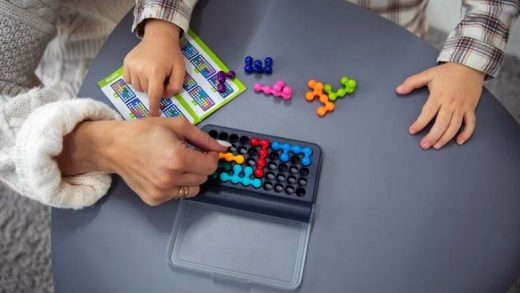
One of my most memorable observations of young children came during a family gathering. A cousin’s four-year-old daughter was trying to complete a simple puzzle but was becoming increasingly frustrated. Before any adult could step in, her six-year-old cousin sat beside her and patiently showed her how to look for matching shapes and colours. Within minutes, the younger child was smiling again, and the older one was beaming with pride at having helped.
What struck me was how naturally the interaction unfolded. There was no formal lesson, no adult instruction, and no reward involved. One child learned a new skill, while the other strengthened confidence, empathy, and leadership. Both benefited from the experience.
For generations, Indian families have witnessed these kinds of interactions within joint family systems, neighbourhood communities, and social gatherings. Younger children often learn by observing older siblings and cousins, while older children develop a sense of responsibility by helping younger ones. Yet in many modern educational settings, children spend most of their time grouped strictly by age.
As educators and researchers continue to study child development, there is growing recognition that meaningful interactions between children of different ages can offer powerful developmental benefits. At Kangaroo Kids, where holistic growth and collaborative learning are central to the educational philosophy, opportunities for children to learn from one another are viewed as valuable contributors to healthy development.
Understanding how mixed-age interactions support early childhood social development can help parents appreciate why these experiences remain so important in today’s world.
Why Early Childhood Social Development Extends Beyond Same-Age Friendships
When parents think about friendships, they often imagine children interacting primarily with peers their own age.
While same-age relationships are important, early childhood social development also benefits from interactions with older or younger children.
Different-age interactions expose children to:
- Diverse communication styles
- New perspectives
- Varied problem-solving approaches
- Leadership opportunities
These experiences contribute to richer social learning.
Children learn that people of different ages can contribute meaningfully to their growth and understanding.
What Are Mixed-Age Interactions?
Mixed-age interactions occur whenever children of different developmental stages engage meaningfully with one another.
Examples include:
- Older children mentoring younger peers
- Collaborative play activities
- Group projects
- Shared storytelling sessions
- Community celebrations
Some educational models incorporate mixed-age classrooms specifically to encourage these experiences.
Others create structured opportunities for interaction while maintaining age-specific classrooms.
Regardless of the format, the goal remains the same: creating environments where children learn from one another.
Why Mixed-Age Learning Reflects Real Life
Outside school, children rarely interact only with peers born in the same year.
Families, communities, sports teams, and social groups often include people of various ages.
Mixed-age experiences better reflect the realities of everyday life.
They help prepare children to:
- Communicate effectively
- Build relationships
- Respect differences
- Collaborate across age groups
These abilities contribute significantly to early childhood social development and future success.
How Younger Children Learn From Older Peers
Young children are natural observers.
They frequently learn by watching others.
When younger children interact with older peers, they gain opportunities to observe:
- Language use
- Problem-solving strategies
- Social behaviours
- Conflict resolution techniques
This type of observational learning often feels natural and engaging.
Many educators view peer modelling as one of the most powerful influences on child development in preschool settings.
How Older Children Benefit Too
The benefits of mixed-age interaction are not limited to younger children.
Older children often strengthen important skills when helping younger peers.
These include:
- Leadership
- Empathy
- Patience
- Communication
- Responsibility
Explaining concepts to younger children also deepens their own understanding.
This reciprocal learning supports early childhood social development across multiple age groups.
Building Confidence Through Leadership Opportunities
Children gain confidence when they feel capable and valued.
Older children who assist younger peers often experience a strong sense of accomplishment.
Simple actions such as:
- Reading a story
- Explaining a game
- Demonstrating a skill
can help children recognise their own abilities.
These leadership experiences encourage self-esteem and social confidence.
Why Empathy Develops Naturally in Mixed-Age Settings
Empathy is one of the most important social-emotional skills children can develop.
Mixed-age interactions create numerous opportunities for children to:
- Notice others’ feelings
- Offer support
- Show kindness
- Practice patience
As children learn to consider the needs of younger peers, they strengthen emotional awareness.
This contributes significantly to early childhood social development and relationship-building skills.
The Role of Communication in Mixed-Age Interactions
Children naturally adapt their communication when interacting with different age groups.
Older children may:
- Simplify explanations
- Use encouraging language
- Demonstrate active listening
Younger children learn new vocabulary and communication strategies through observation and participation.
These experiences strengthen language development and social competence.
Mixed Age Classrooms and Collaborative Learning
Some educational approaches intentionally utilise mixed-age classrooms.
In these environments, children:
- Learn collaboratively
- Observe diverse skill levels
- Support one another’s growth
Research suggests that mixed-age learning environments can encourage cooperation rather than competition.
Children become more focused on personal growth and shared success.
While not every preschool uses mixed-age classrooms, many schools incorporate mixed-age experiences through specific activities and events.
Multi-Age Classrooms Encourage Peer Teaching
Similarly, multi-age classrooms often create opportunities for peer teaching.
Children may:
- Work together on projects
- Participate in group problem-solving
- Share learning experiences
Peer teaching helps reinforce understanding while strengthening social relationships.
Many educators consider these interactions valuable contributors to holistic development.
Why Early Childhood Social Development Requires Diverse Relationships
Children develop social skills through varied experiences.
Limiting interactions exclusively to same-age peers may reduce opportunities to practise:
- Leadership
- Mentorship
- Adaptability
- Perspective-taking
Diverse relationships strengthen early childhood social development by exposing children to different viewpoints and abilities.
This helps prepare them for broader social experiences later in life.
The Importance of Learning Through Observation
Young children learn constantly through observation.
Watching older peers:
- Solve problems
- Follow routines
- Engage respectfully
provides powerful learning opportunities.
This process aligns with one of the fundamental principles of child development: children learn not only through direct instruction but also through observation and imitation.
How Mixed-Age Experiences Support Emotional Growth
Social interactions often involve emotional learning.
Mixed-age experiences help children:
- Manage frustration
- Develop patience
- Understand different perspectives
- Build emotional resilience
These abilities support both academic and personal success.
Strong emotional skills contribute to healthier relationships and greater confidence.
Creating a Positive Preschool Learning Environment
A high-quality preschool learning environment encourages meaningful interactions among children.
Whether through collaborative projects, shared play experiences, or community activities, opportunities for mixed-age engagement can enrich learning.
Children thrive when they feel connected to a broader community rather than confined to narrow peer groups.
The Role of Teachers in Facilitating Mixed-Age Learning
Teachers play an important role in creating successful mixed-age experiences.
Effective educators:
- Encourage cooperation
- Facilitate peer mentoring
- Model respectful interactions
- Support inclusive participation
At Kangaroo Kids, teachers create opportunities for children to collaborate, communicate, and learn from one another while respecting individual developmental needs.
What Parents Can Do at Home
Parents can also encourage mixed-age interactions outside school.
Ideas include:
- Family gatherings
- Community activities
- Playdates with siblings and cousins
- Shared reading experiences
- Collaborative games
These opportunities help reinforce many of the social skills children develop in educational settings.
Why Modern Families May Need to Create These Opportunities Intentionally
In previous generations, mixed-age interactions often occurred naturally.
Joint families and close-knit neighbourhoods provided frequent opportunities for children to interact with siblings, cousins, and community members of various ages.
Today’s smaller family structures may require more intentional efforts to create these experiences.
Fortunately, schools can play an important role in providing meaningful opportunities for cross-age learning and connection.
How Kangaroo Kids Supports Collaborative Learning
Kangaroo Kids recognises that learning is both individual and social.
The school’s approach encourages:
- Collaboration
- Communication
- Empathy
- Leadership
- Community building
Children are given opportunities to learn from one another through shared experiences, collaborative activities, and meaningful social engagement.
These interactions help support early childhood social development while fostering confidence, curiosity, and independence.
Last Thoughts
The most meaningful learning experiences often happen between children themselves. A younger child observing an older peer, an older child offering guidance, or a group of children collaborating toward a common goal can create powerful moments of growth that no worksheet or formal lesson can replicate.
Mixed-age interactions provide valuable opportunities to strengthen communication, empathy, leadership, confidence, and cooperation. These experiences support early childhood social development while helping children build the interpersonal skills they will rely on throughout life.
At Kangaroo Kids, learning extends beyond individual achievement to include collaboration, community, and meaningful relationships. By creating environments where children can learn with and from one another, the school nurtures socially confident, emotionally aware, and compassionate learners prepared to thrive in an interconnected world.
For parents seeking educational experiences that combine creativity, collaboration, communication, and child-centred learning, exploring the approach can offer valuable insight into how meaningful social interactions, play-based experiences, and holistic development work together to help children grow into confident and capable individuals.