Rethinking Success in Early Childhood
It is a sad fact that, even today, in most Indian homes, success is often measured by marks, ranks, and report cards. From an early age, children are encouraged to focus on academic performance, sometimes at the cost of other essential skills. The truth is, global research and modern education systems are shifting perspectives. Today, the ability to communicate, collaborate, and manage emotions is considered just as important, if not more than, academic achievement.
And, this is where social skills for kindergarten come into focus. These foundational abilities shape how children interact with others, handle challenges, and navigate life beyond the classroom. This article explores why social skills deserve equal importance and how Indian parents can shift their attitudes toward education and nurture these skills effectively.
What Are Social Skills in Early Childhood?
Understanding Social Skills for Kindergarten
Social skills for kindergarten refer to a child’s ability to:
- Communicate effectively
- Share and cooperate
- Understand social cues
- Build relationships
These skills begin developing in early childhood and continue to evolve over time.
Emotional Intelligence in Early Childhood
A key component of social skills is emotional intelligence in early childhood, which includes:
- Recognizing emotions
- Managing feelings
- Empathising with others
Children who develop emotional intelligence are better equipped to handle social situations.
Why Social Skills Matter More Than Marks
Beyond Academic Success
While academic skills are important, they are only one part of a child’s development. Children with strong social skills for kindergarten are more likely to:
- Build meaningful relationships
- Adapt to new environments
- Communicate effectively
Preparing for Real-Life Challenges
In real life, success depends on:
- Teamwork
- Communication
- Problem-solving
These are essential soft skills for kids that cannot be measured by marks alone.
The Indian Context: Academic Pressure vs. Holistic Growth
The Marks-Centric Mindset
In India, academic performance is often prioritised due to:
- Competitive education systems
- Cultural expectations
- Career aspirations
While these factors are important, they can sometimes overshadow the need for holistic development.
Shifting Toward Balanced Growth
Modern education encourages a balance between academics and life skills. Focusing on social skills for kindergarten ensures that children grow into well-rounded individuals.
Key Social Skills Every Child Needs
Communication and Interaction
Expressing Thoughts Clearly: Children need to learn how to:
- Share ideas
- Ask questions
- Listen actively
Strong communication is at the heart of social skills for kindergarten.
Sharing and Cooperation
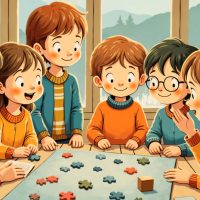
Learning to Work Together: Activities like group play teach children to:
- Share resources
- Take turns
- Collaborate
These experiences build essential soft skills for kids.
Empathy and Understanding
Recognising Others’ Feelings: Empathy helps children:
- Understand emotions
- Build relationships
- Resolve conflicts
This is a core aspect of emotional intelligence in early childhood.
Conflict Resolution
Handling Disagreements: Children should learn to:
- Express concerns calmly
- Find solutions
- Respect others’ perspectives
These skills are crucial for social development.
How Social Skills Support Academic Learning
Better Classroom Engagement
Children with strong social skills for kindergarten:
- Participate actively
- Follow instructions
- Work well in groups
Improved Confidence
Confidence gained through social interactions helps children:
- Ask questions
- Take initiative
- Perform better academically
Role of Parents in Developing Social Skills
Modeling Behavior
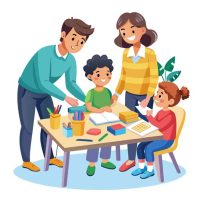
Children learn by observing adults. Parents can:
- Demonstrate respectful communication
- Show empathy
- Practice patience
Encouraging Interaction
Provide opportunities for children to:
- Play with peers
- Participate in group activities
- Engage in conversations
This strengthens social skills for kindergarten.
Practical Ways to Build Social Skills
Play-Based Learning
Importance of Play: Play is one of the best ways to develop social skills. Through play, children learn:
- Cooperation
- Communication
- Problem-solving
Storytelling and Role Play
Learning Through Stories: Stories help children understand:
- Emotions
- Social situations
- Moral values
Role play allows them to practice these skills.
Daily Conversations
Building Communication Skills: Simple conversations help children:
- Express themselves
- Understand others
- Build confidence
Group Activities
Learning Through Interaction: Consider activities such as:
- Team games
- Group projects
- Classroom discussions
These activities enhance social skills for kindergarten.
Emotional Intelligence and Its Impact
Managing Emotions
Children need to learn how to:
- Handle frustration
- Express feelings appropriately
- Stay calm in challenging situations
Building Resilience
Emotional intelligence helps children:
- Cope with setbacks
- Adapt to change
- Stay motivated
Overcoming Common Challenges
- Shyness and Social Anxiety: Some children may struggle with social interactions. Solution: Encourage gradually. Provide safe environments. Avoid forcing participation.
- Aggressive Behavior: Children may express frustration through aggression. Solution: Teach emotional expression. Model calm behaviour. Guide conflict resolution.
- Overemphasis on Academics: Balancing academics with social development is essential. Parents should prioritise holistic development.
Long-Term Benefits of Social Skills
Children who develop strong social skills in kindergarten are more likely to:
- Build successful relationships
- Excel in teamwork
- Adapt to diverse environments
These skills are essential for both personal and professional success.
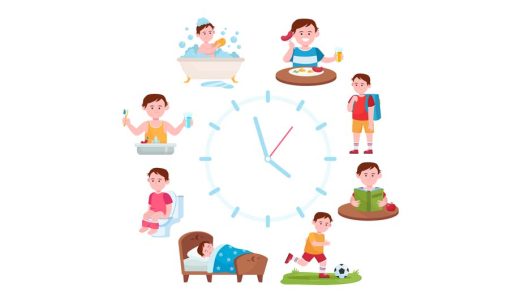
Practical Daily Routine
Simple Steps to Follow
- Morning: Encourage polite communication
- Afternoon: Engage in group play
- Evening: Discuss emotions and experiences
This routine supports consistent development of social skills.
Role of Schools in Social Development
Creating Supportive Environments
Schools should:
- Encourage interaction
- Promote teamwork
- Provide opportunities for social learning
Integrating SEL (Social Emotional Learning)
SEL programs focus on:
- Emotional awareness
- Relationship building
- Decision-making
These programs enhance social skills for kindergarten.
Common Mistakes to Avoid
- Ignoring Social Development: Focusing only on academics can limit overall growth.
- Comparing Children: Every child develops at their own pace.
- Dismissing Emotions: Validating feelings is essential for emotional growth.
Redefining Success for the Future
Success is no longer defined solely by academic achievement. In today’s world, the ability to communicate, collaborate, and manage emotions is equally important. By focusing on social skills for kindergarten, parents can help children develop the confidence and resilience needed to navigate life’s challenges.
In Indian homes and across the globe, the shift toward holistic development is starting to gain momentum. When children are equipped with strong social and emotional skills, they are better prepared not just for school, but for life. The truth is, in the end, it is not just marks that shape a child’s future. It is the skills that help them connect, adapt, and thrive. Kangaroo Kids makes sure that social skills are given the same importance as academics.