Think back to the stories you heard as a child. You may have forgotten many lessons from textbooks, yet still remember a grandmother narrating the Panchatantra, a parent inventing adventures, or a teacher bringing characters alive through different voices. Stories stay with us because they connect ideas with emotion, imagination, language, and experience.
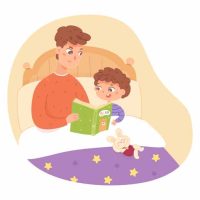
For preschool children, the benefits of storytelling include opportunities to build vocabulary, comprehension, creativity, empathy, memory, and communication. Bedtime gives Indian parents a natural way to make stories part of everyday learning without turning home into another classroom.
You can tell a child that sharing is important, and they may understand the instruction. Tell them about two squirrels trying to divide one enormous mango, and suddenly the idea has a situation they can imagine.
This connection between storytelling and learning lets children encounter concepts in memorable contexts while enjoying the experience.
What Are the Benefits of Storytelling for Preschoolers?
One of the most important benefits of storytelling is language development. As they listen, children hear vocabulary, sentence structures, descriptive expressions, questions, conversations, and sequences.
When children predict what might happen next or explain why a character feels sad, frightened, or excited, they practise thinking beyond the words they hear.
How Can Stories Build Emotional Understanding?
Preschoolers experience powerful emotions but may not always have the language to explain them.
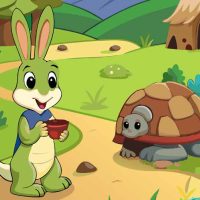
Stories provide emotional distance. A child who finds it difficult to discuss being frightened on the first day of preschool may comfortably discuss a nervous rabbit entering a new forest school.
This advantage of storytelling allows parents to explore feelings without interrogating children about their own experiences.
Ask, “Why do you think the rabbit feels worried?” Then allow the conversation to develop naturally.
Can Storytelling Encourage Imagination and Creativity?
Absolutely. Unlike television, stories do not provide every visual detail. Children must create pictures in their minds.
If you describe a purple elephant flying over Mumbai in a basket, your child has to imagine the elephant, the basket, the skyline, and the journey.
One storytelling advantage is this invitation to construct possibilities mentally. Children can imagine alternative endings, invent characters, change settings, and create solutions that adults may never anticipate.
Why Is Bedtime Ideal for Storytelling?
Bedtime naturally provides something busy families often struggle to find during the day: focused time together.
The child is slowing down, and the parent can offer undivided attention.
The benefits of storytelling at bedtime therefore extend beyond learning. A familiar story ritual can create connection, conversation, and predictability while helping children move from an active day towards sleep.
Keep the experience calm rather than turning storytelling into an energetic performance every night.
Should You Read a Book or Tell a Story?
Do both.
Books expose children to illustrations, authors, unfamiliar vocabulary, and narratives that parents might not create independently. Oral storytelling offers a different freedom. You can adapt a story to your child’s interests, family experiences, language, or current concerns.
Indian families also possess rich storytelling traditions. Panchatantra tales, regional folktales, family stories, festival narratives, and stories remembered from grandparents can sit comfortably beside contemporary picture books and stories from cultures worldwide.
Variety keeps storytelling fresh.
How Do You Tell a Good Bedtime Story?
You do not need professional performance skills. Start with a character, give that character a simple goal or problem, let something interesting happen, and then bring the story to a satisfying conclusion.
For example, “One evening, Tara discovered a tiny door behind the jasmine plant.”
Pause. Let your child wonder what comes next.
Effective teaching and storytelling are not about memorising complicated scripts. It is about using voice, expression, questions, repetition, and imagination to maintain interest.
How Can You Make Your Child Part of the Story?
Invite participation without constantly interrupting the narrative.
Ask your child to choose the character’s name, decide where the adventure happens, imitate an animal sound, or predict what lies behind a mysterious door.
You might occasionally stop and ask, “What would you do?”
The benefits of storytelling become especially powerful when children move from passive listeners to active contributors. They practise decision-making, vocabulary, sequencing, creativity, and communication while helping shape the narrative.
Read More: How Storytelling Builds Empathy in Young Children
Can Stories Reinforce Preschool Learning?
Stories can introduce numbers, colours, nature, relationships, problem-solving, community helpers, animals, festivals, and countless other concepts.
However, resist turning every bedtime story into a lesson with questions afterwards.
At Kangaroo Kids, child-centred learning encourages exploration, creativity, communication, and meaningful experiences. Parents can follow a similar principle at home by allowing learning to emerge naturally from stories rather than testing children on what they remember.
Enjoyment remains essential.
What If Your Child Wants the Same Story Every Night?
Read it again.
Adults may become bored long before preschoolers do. Repetition helps children anticipate language, understand sequences, notice details, and eventually participate in telling familiar stories.
One evening, deliberately pause before a familiar phrase. Your child may enthusiastically complete it.
Another night, invite them to retell part of the story themselves. Repetition can gradually transform listening into confident participation.
Last Thoughts
Storytelling does not require expensive resources, specialised training, or complicated preparation. It requires a story, an interested adult, and space for a child’s imagination.
Read books, retell family favourites, invent adventures, change endings, use funny voices, and allow your child to contribute ideas. Some nights may involve elaborate tales, while others may contain only a simple five-minute story.
What matters is the relationship developing around the experience. Bedtime stories can nurture language, imagination, empathy, curiosity, and emotional connection while giving children something equally valuable: regular, attentive time with someone they love.
For parents seeking an early-learning environment where communication, imagination, creativity, and curiosity are nurtured through meaningful experiences, exploring admissions at Kangaroo Kids can provide valuable insight into how storytelling, role-play, playful exploration, and child-centred learning are thoughtfully used to help young children become confident communicators, imaginative thinkers, and enthusiastic learners.