A four-year-old notices another child crying at the playground. She watches, then offers him the toy she is holding. No adult instructed her. She has begun recognising that someone else has feelings and that her actions can make a difference. Moments like this show why teaching empathy matters during the preschool years.
What Does Empathy Look Like in a Preschooler?
Empathy is the ability to notice and begin understanding another person’s feelings and perspective.
A child may comfort a sibling, notice that a friend looks sad, or ask why someone is upset.
Teaching empathy means helping children gradually recognise that other people have needs, thoughts, and emotions too.
Why Should Indian Parents Begin With Naming Feelings?
Use everyday situations to build emotional vocabulary.
Say, “You look disappointed because the park is closed,” or, “Dadi seems happy that you made her a card.”
Introduce words such as worried, excited, lonely, frustrated, proud, and surprised when appropriate. This supports empathy for preschoolers because recognising their own feelings makes it easier to notice similar feelings in others.
How Can Parents Model Empathy at Home?
If parents speak kindly, listen when someone is upset, apologise after mistakes, and show concern for others, children receive practical examples.
Teaching empathy begins with what children see, not simply what adults tell them.
Let your child hear your reasoning: “Papa looks tired, so I’ll give him some quiet time,” or, “Our neighbour is unwell. Let’s ask whether she needs anything.”
Should You Ask Children to Imagine Another Person’s View?
Yes, but keep questions simple and connected to situations children understand.
If two children want the same swing, ask, “How do you think Aarav feels while waiting?” If your child knocks down another child’s blocks, ask, “How might she feel?”
Empathy in preschoolers develops as children practise considering experiences outside their own.
How Can Stories Help Children Understand Feelings?
While reading, ask occasionally, “Why do you think the bear is hiding?” or, “What could the girl do to help her friend?”
At Kangaroo Kids, child-centred learning values storytelling, communication, imagination, and meaningful experiences. Parents can use similar approaches at home, allowing stories to open conversations naturally.
Read More: Teaching Compassion Through Action: Service Learning in Indian Schools
Can Pretend Play Become an Empathy Lesson?
Pretend play allows children to step temporarily into another role. Playing doctor, shopkeeper, teacher, parent, or veterinarian requires imagining what another person might say, need, or do.
If your child pretends a doll is sick, ask, “What might make her feel better?”
Why Should Parents Avoid Forcing an Apology?
A quick “Say sorry” may produce the correct words without helping a child understand what happened.
Instead, draw attention to the other person: “Riya is crying because the toy hit her. Let’s see if she is okay.”
Then encourage repair. Your child might apologise, return an object, help rebuild something, or offer comfort. Teaching empathy becomes meaningful when children connect actions with their impact rather than repeating a required phrase.
How Can Sharing and Turn-Taking Help?
Expecting children to surrender every valued possession immediately can create resentment rather than generosity.
Teach turn-taking with clear boundaries: “You can finish your turn, then Kabir can use it.”
At home, involve children in simple acts of giving, such as dividing fruit among family members or helping prepare something for a neighbour.
What Should You Do When Your Child Is Unkind?
Respond calmly: “I won’t let you hit. Hitting hurts.”
Once the child is calm, help them understand what happened and consider how to make it right.
How Can Everyday Responsibilities Encourage Caring?
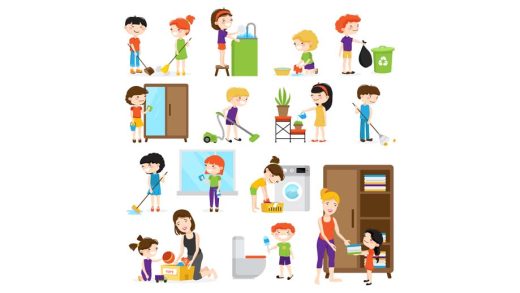
Children can help care for the household. They might water plants, feed a pet with supervision, help a sibling find a toy, carry a grandparent’s newspaper, or place napkins on the table.
How Does Kangaroo Kids Support Social and Emotional Learning?
The learning approach at Kangaroo Kids recognises that young children develop through interaction, communication, play, exploration, and relationships. Child-centred experiences provide opportunities to cooperate, negotiate, express feelings, listen to others, and solve everyday social problems.
Parents can reinforce these abilities at home by valuing kindness alongside achievement. Ask not only, “What did you learn today?” but sometimes, “Who did you play with?” or, “Did anyone need help today?”
What If My Child Does Not Seem Naturally Empathetic?
Children develop social understanding at different rates.
Continue naming feelings, modelling consideration, reading together, encouraging cooperative play, and discussing situations without shaming.
Remember that teaching empathy is a process. Preschoolers are still learning emotional regulation and impulse control, so understanding that another child is upset does not mean they can always respond perfectly.
Last Thoughts
Empathy grows through ordinary moments rather than one carefully planned lesson. Children learn when parents acknowledge feelings, model kindness, encourage repair, read stories, allow role-play, and involve them in caring for others.
The goal is not a preschooler who always shares, never argues, and instantly understands every emotion. It is helping children become increasingly aware that other people have inner worlds too.
When families treat kindness as something practised rather than demanded, children receive repeated opportunities to listen, notice, respond, and grow into considerate members of their communities.
For parents seeking an early-learning environment where kindness, communication, creativity, and social understanding develop alongside curiosity, exploring admissions at Kangaroo Kids can offer valuable insight into how storytelling, role-play, collaborative experiences, and play-based learning help young children recognise emotions, understand different perspectives, build relationships, and become thoughtful participants in the world around them.