I still remember one Raksha Bandhan when the youngest child in our family proudly arrived with a rakhi she had made herself. It was crooked, covered in glitter, and probably would not have survived another day, but her brother wore it as though it were priceless. What stayed with me was not the thread or the gift exchanged afterwards. It was the seriousness with which both children understood that the day was about caring for each other. That is what makes rakshabandhan particularly meaningful for children. Behind the sweets, colourful rakhis, photographs, and presents is an opportunity to talk about affection, responsibility, gratitude, and family relationships.
What Should You Tell Your Child About Raksha Bandhan 2026?
Raksha Bandhan 2026 falls on Friday, August 28. The festival is traditionally observed on Purnima, or the full moon, of the Hindu month of Shravana. Families following specific religious timings should check their local Panchang because ritual timings can vary by location.
The festival of raksha bandhan traditionally includes a sister tying a rakhi around her brother’s wrist, accompanied by blessings, sweets, and often gifts. Today, many families also interpret the celebration more broadly as an expression of affection, protection, respect, and mutual care between siblings.
For young children, keep the explanation simple. A rakhi represents a loving relationship and reminds family members to support one another.
Help Your Child Understand What the Rakhi Means
During rakshabandhan, ask your child to examine the rakhi. Explain that although it is a small thread or bracelet, its importance comes from what it represents.
Depending on your family’s traditions, talk about the prayers, blessings, sweets, and rituals associated with the occasion.
A cheerful happy raksha bandhan greeting becomes more meaningful when children understand why they are saying it.
Make a Rakhi Together
Instead of simply buying a rakhi, invite your preschooler to create one.
Provide child-safe materials such as coloured paper, wool, ribbons, stickers, felt shapes, and decorative pieces. Children can choose colours, arrange patterns, and personalise their designs.
Crafting develops creativity and fine motor control while giving children ownership of the celebration. Kangaroo Kids also recommends festival-themed crafts and interactive storytelling as ways to make Indian festivals educational and engaging for children.
The finished rakhi does not need to look perfect. Its imperfections may make it more precious.
Make Gift Giving About Thoughtfulness
Searching for a raksha bandhan gift for sister or raksha bandhan gift for brother can quickly make the festival feel focused on shopping. With children, shift attention towards thoughtfulness.
Ask, “What would make your sibling happy?”
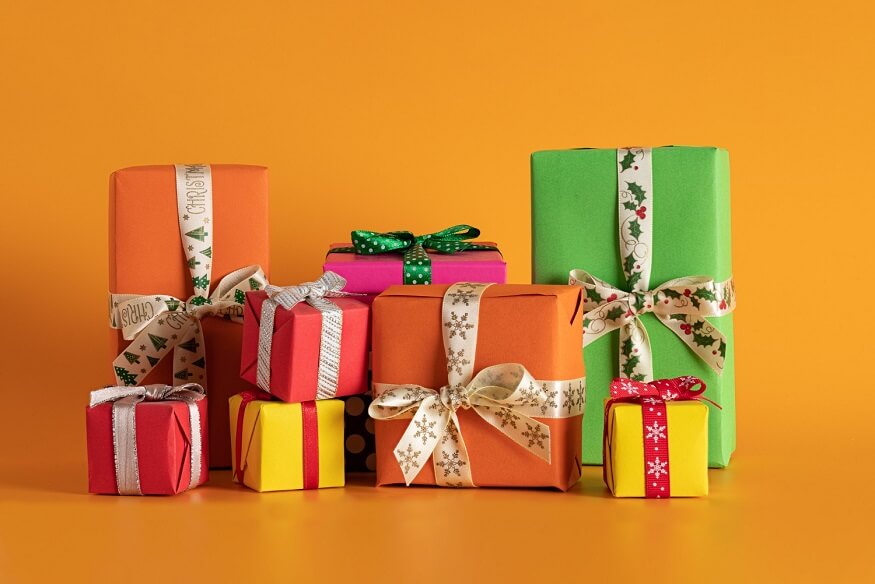
A handmade card, drawing, bookmark, photograph frame, story coupon, or promise to help can become a meaningful rakshabandhan gift.
If your child wants a rakshabandhan gift for sister, encourage them to consider her interests. The best gift for a sister on raksha bandhan does not have to be expensive. Thoughtfulness teaches children that giving begins with understanding another person.
Create a Family Appreciation Ritual
Your raksha bandhan celebration can include a simple family activity. Invite everyone to say one thing they appreciate about another family member.
A young child might say, “She plays with me,” “He makes me laugh,” or “She helps me.”
This develops emotional vocabulary while encouraging children to recognise kindness.
Celebrate Together Even When You Live Apart
Modern Indian families often live across different cities or countries. Siblings cannot always celebrate together physically.
An online raksha bandhan celebration can still be personal. Children can make cards, record messages, sing a song, or display handmade rakhis during a video call. Families can send the rakhi beforehand and open presents together online.
The aim is not to recreate every physical ritual perfectly. It is to preserve connection.
Choose Gifts That Create Memories
When considering gifts for raksha bandhan, encourage children to think beyond toys.
Ideas might include a book to read together, art supplies, a family game, a plant, an experience, or a homemade voucher for sibling time.
The best gift for raksha bandhan reflects the person receiving it and the relationship being celebrated.
Children gradually learn that meaningful giving is about attention rather than price.
Let Children Help Prepare the Festival
Children feel more connected to celebrations when they participate.
Let them arrange flowers, decorate the thali, select sweets, make cards, or set the table. They might also create a festival journal with drawings and family photographs.
Such activities transform the celebration of raksha bandhan into hands-on learning involving creativity, sequencing, responsibility, communication, and family history.
At Kangaroo Kids, festivals can similarly become opportunities for stories, crafts, cultural exchange, and experiential learning that help children understand India’s diversity.
Keep Raksha Bandhan Inclusive
Every family looks different. Some children have brothers, some have sisters, while others share close sibling-like relationships with cousins or family friends.
Parents can explain that rakshabandhan celebrates values such as care, affection, respect, and responsibility. Families can follow their own customs while teaching children that others may celebrate differently.
A sincere happy rakshabandhan greeting can therefore become a celebration of relationships as well as tradition.
Read More: How Kangaroo Kids Uses Festivals to Build Cultural Intelligence
Last Thoughts
For children, festivals become meaningful through participation. Let them choose rakhi colours, prepare a card, share sweets, listen to family stories, select thoughtful presents, and tell someone why they appreciate them.
Rakshabandhan gives Indian parents a wonderful opportunity to pass cultural traditions to another generation without turning them into information children must memorise. Keep celebrations joyful, age appropriate, and connected to your family’s customs.
Years later, children may forget which present they received. They are more likely to remember making something for a sibling, laughing during photographs, hearing grandparents’ stories, and experiencing the warmth of celebrating together.
For parents seeking a preschool where cultural discovery, creativity, communication, and imaginative learning become part of meaningful childhood experiences, exploring the admission process at Kangaroo Kids can offer valuable insight into how storytelling, role-play, crafts, celebrations, and play-based experiences help young children connect learning with relationships, traditions, and the world around them.