The first time I witnessed a difficult preschool drop-off, I honestly thought something was terribly wrong. A close friend’s three-year-old daughter clung tightly to her mother’s leg, screaming uncontrollably as they stood outside the classroom. My friend looked equally distressed. She wondered whether she had chosen the wrong school or whether her daughter was simply not ready for preschool.
For nearly two weeks, every morning followed the same emotional pattern. Then something unexpected happened. One morning, after a quick hug, the little girl smiled, waved goodbye, and happily ran into class to meet her teacher and friends. The tears had disappeared almost as suddenly as they had begun. Her teachers explained that what she had experienced was a perfectly normal stage of separation anxiety. Understanding that simple fact transformed the entire family’s outlook.
Why Does Separation Anxiety Happen?
One of the first questions parents ask is whether something is wrong.
In most cases, the answer is no.
Separation anxiety is a normal developmental stage during which children experience distress when separated from their primary caregivers. Young children naturally form strong emotional attachments to parents and familiar family members. Preschool introduces a completely new environment filled with unfamiliar faces, routines, and expectations.
For a young child, this sudden change can feel overwhelming.
The encouraging news is that separation anxiety usually improves as children become familiar with their surroundings and develop trusting relationships with teachers.
Understanding Child Separation Anxiety
Every Child Responds Differently
Some children confidently walk into school on the very first day.
Others may cry for several days or even a few weeks.
This variation is completely normal.
Child separation anxiety depends on several factors, including temperament, previous social experiences, personality, and how children typically respond to change.
Parents should avoid comparing their child with others.
Crying Does Not Mean Preschool Is the Wrong Choice
Many parents interpret crying as evidence that their child dislikes school.
Often, this is not the case.
Teachers frequently observe that children calm down within minutes after parents leave and happily participate in activities for the remainder of the day.
How to Recognise Separation Anxiety in Children
Common Emotional Signs
Typical signs of separation anxiety in children include:
- Crying during drop-off
- Clinging to parents
- Fear of saying goodbye
- Reluctance to enter the classroom
- Worry about parents leaving
These reactions are usually temporary.
Physical Symptoms
Some children may also experience:
- Stomach aches
- Headaches
- Loss of appetite
- Difficulty sleeping
- Increased irritability
If these symptoms persist for an extended period or become severe, parents should consult a healthcare professional.
Why Preschool Drop-Off Can Feel So Difficult
Everything Feels New
Imagine entering a room where:
- You know nobody.
- The routine is unfamiliar.
- Expectations are unclear.
For a preschooler, this is exactly what the first few days of school can feel like.
Children require time to build trust and familiarity.
Parents Experience Anxiety Too
Interestingly, children often sense parental emotions.
If parents appear anxious, uncertain, or emotional during drop-off, children may interpret the situation as something to fear.
Remaining calm and confident provides reassurance.
Preparing Your Child Before School Begins
Talk Positively About School
Introduce preschool through positive conversations.
Discuss:
- New friends
- Fun activities
- Storytime
- Art and music
- Outdoor play
Avoid presenting school as something frightening or overly serious.
Visit the School Together
If possible, attend orientation sessions or visit the classroom before the first day.
Familiarity reduces uncertainty and helps children feel more secure.
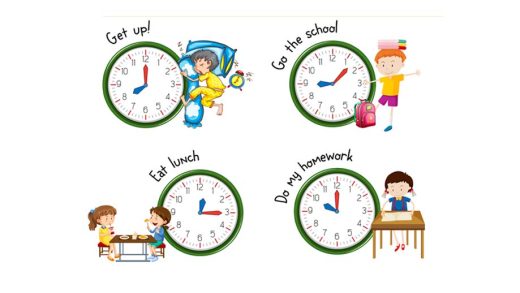
Establish a Predictable Morning Routine
Children Thrive on Routine
Consistent mornings reduce stress.
Try to:
- Wake up at the same time
- Eat breakfast together
- Leave home calmly
- Arrive without rushing
Predictable routines help reduce separation anxiety over time.
Avoid Last-Minute Stress
Preparing clothes, bags, and lunchboxes the night before creates a calmer start to the day.
Create a Goodbye Ritual
Keep It Simple
Children respond well to consistent rituals.
Examples include:
- One hug
- One kiss
- A special wave
- A cheerful goodbye phrase
Repeating the same routine each day creates predictability.
Avoid Sneaking Away
Some parents leave without saying goodbye to avoid tears.
Although well-intentioned, this can increase anxiety because children may worry that parents could disappear unexpectedly.
Always say goodbye, even if it feels difficult.
Trust the Teachers
Educators Know How to Help
Experienced preschool teachers regularly support children through separation anxiety and preschool experiences.
They use:
- Gentle reassurance
- Engaging activities
- Positive distractions
- Emotional support
These strategies help children settle into the classroom.
Build Strong Communication
Maintain open communication with teachers.
Ask:
- How long did my child cry?
- When did they settle?
- Which activities did they enjoy?
This information often reassures parents.
What Indian Parents Should Avoid
Don’t Extend the Goodbye
Long farewells can unintentionally increase anxiety.
After your goodbye ritual, leave confidently.
Children often settle more quickly once parents depart.
Avoid Bribing
Offering rewards simply for attending school may create the impression that school is something unpleasant to endure.
Instead, celebrate positive experiences after school.
Don’t Criticise the Tears
Avoid saying:
- Stop crying.
- Big children don’t cry.
Instead, acknowledge feelings while expressing confidence.
For example:
“I know saying goodbye feels hard. I know you’ll have fun, and I’ll see you soon.”
Helping Your Child Build Confidence
Encourage Independence at Home
Confidence developed at home often carries into school.
Allow children to:
- Dress themselves
- Pack simple items
- Make small choices
- Complete age-appropriate tasks
Independence reduces anxiety.
Celebrate Small Wins
Notice progress such as:
- Walking into class independently
- Greeting teachers
- Saying goodbye more calmly
Every improvement deserves encouragement.
Read More: How to Build a Morning Routine That Helps Your Child Thrive at Preschool
When Separation Anxiety at School Lasts Longer
Some Children Need More Time
While most children adjust within several weeks, separation anxiety at school may occasionally continue longer.
Additional support may be helpful if:
- Distress remains intense for several months
- Children refuse to attend school completely
- Anxiety interferes with daily life
Teachers and healthcare professionals can guide families through these situations.
Patience Is Essential
Adjustment is not always linear.
Some days may be easier than others.
This is completely normal.
Helping Parents Stay Emotionally Strong
Remember the Bigger Picture
Watching your child cry can be emotionally painful.
However, temporary discomfort often leads to tremendous personal growth.
Children gradually learn:
- Confidence
- Independence
- Social skills
- Emotional resilience
These lessons extend far beyond preschool.
Trust the Process
Every confident school-going child was once a beginner.
With patience, love, and consistency, most children overcome separation anxiety and begin looking forward to school each day.
Last Thoughts
Morning tears can make parents question whether they are making the right decision. Fortunately, in most cases, separation anxiety is a normal and healthy developmental stage rather than a sign that something is wrong. With reassurance, predictable routines, patient teachers, and loving support at home, children gradually learn that school is a safe, exciting, and enjoyable place.
Parents should remember that confidence develops over time. Every successful goodbye, every new friendship, and every joyful classroom experience helps children build emotional resilience that will benefit them throughout their lives.
For families looking for a preschool that thoughtfully supports children’s emotional transitions while nurturing creativity, communication, and curiosity, exploring the admissions journey at Kangaroo Kids offers valuable insight into how storytelling, role-play, play-based learning, and child-centred experiences help children feel secure, confident, and excited to begin each new school day.