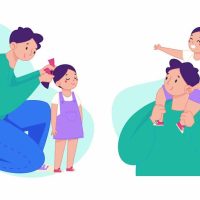
A mother I know was delighted when she noticed a sudden change in her four-year-old son after he started preschool. He began volunteering to help around the house. He wanted to place spoons on the dining table before meals, carry small grocery bags, arrange his toys neatly, and even wipe small spills with a cloth. She was pleasantly surprised because she had never actively taught him these habits at home.
But after a few weeks, she noticed something else. Sometimes, when she asked him for help in a hurried or impatient tone, he immediately lost interest. If she turned the task into pressure or criticism, he withdrew. However, when she approached the same activity with encouragement, conversation, and patience, he became enthusiastic again.
This experience taught her an important lesson. Preschool learning does not stop at the classroom door. Children carry their classroom habits, curiosity, routines, and emotional responses into the home environment every day. The way parents interact with children at home can either strengthen or unintentionally weaken those learning experiences.
Modern early childhood education increasingly emphasises that learning happens everywhere. Daily routines, conversations, storytelling, play, chores, creativity, and emotional interaction all contribute to healthy childhood development. This is why thoughtful house activities for preschoolers can play a major role in extending classroom learning in a natural and meaningful way.
The good news is that parents do not need expensive tools or highly structured lessons to support development at home. Small, intentional interactions often become the most powerful learning opportunities during early childhood.
Why Preschool Learning Should Continue at Home
Young children learn best through:
- Repetition
- Emotional connection
- Daily experiences
- Active participation
When classroom learning is reinforced naturally at home, children often:
- Build stronger confidence
- Retain concepts more effectively
- Develop consistent routines
- Feel emotionally supported
This is why simple house activities for preschoolers are so valuable.
How Home Environments Shape Early Learning
Children absorb lessons from:
- Conversations
- Family routines
- Household responsibilities
- Play experiences
- Observation of adults
The home environment strongly influences:
- Communication skills
- Emotional development
- Independence
- Problem-solving abilities
This makes preschool learning at home an important extension of classroom experiences.
10 Ways to Extend Your Child’s Preschool Learning at Home
1. Involve Children in Everyday Chores
Simple household responsibilities build:
- Independence
- Confidence
- Responsibility
- Fine motor skills
Children can:
- Arrange spoons
- Fold small towels
- Water plants
- Sort vegetables
These practical house activities for preschoolers help children feel capable and included.
2. Read Stories Together Every Day
Storytelling supports:
- Language development
- Imagination
- Emotional understanding
- Listening skills
Children benefit greatly when parents:
- Ask questions during stories
- Encourage predictions
- Discuss characters’ feelings
Reading together remains one of the most effective ways to support preschool learning at home.
3. Create Simple Play School Ideas at Home
Parents can recreate enjoyable classroom-style experiences using simple materials.
Examples Include
- Pretend grocery stores
- Puppet storytelling
- Indoor treasure hunts
- Colour sorting games
These play school ideas at home make learning playful and emotionally engaging.
4. Encourage Open-Ended Conversations
Children develop communication skills when adults ask:
- “What do you think?”
- “How did that happen?”
- “What should we try next?”
Open-ended conversations encourage:
- Critical thinking
- Emotional expression
- Confidence in communication
These interactions support healthy cognitive and emotional growth.
5. Use Music and Movement Activities
Songs and movement activities help children:
- Improve memory
- Build coordination
- Develop rhythm and listening skills
Dance sessions, rhymes, and action songs are excellent home learning activities for preschoolers because they combine physical and cognitive learning naturally.
6. Encourage Independent Problem-Solving
When children face small challenges, avoid solving everything immediately.
Instead:
- Offer guidance calmly
- Encourage trying different approaches
- Praise effort rather than perfection
This builds:
- Resilience
- Confidence
- Problem-solving abilities
Independence is an important outcome of quality preschool learning at home.
7. Create Art and Craft Time
Creative activities support:
- Fine motor development
- Imagination
- Emotional expression
- Concentration
Simple activities like:
- Drawing
- Clay play
- Paper tearing
- Finger painting
make excellent learning activities for preschoolers at home.
8. Encourage Pretend Play
Pretend play helps children:
- Explore emotions
- Build communication skills
- Develop creativity
- Practice social interaction
Children may pretend to be:
- Teachers
- Shopkeepers
- Doctors
- Chefs
These imaginative experiences are valuable preschool activities at home because they strengthen both emotional and cognitive development.
9. Practice Simple Counting and Sorting During Daily Routines
Children learn mathematics naturally through everyday experiences.
Examples Include
- Counting fruits
- Sorting clothes by colour
- Matching socks
- Organising toys
These everyday house activities for preschoolers make learning practical and meaningful.
10. Build Emotional Learning Into Daily Conversations
Children need support in understanding emotions.
Parents can help by discussing:
- Feelings
- Frustrations
- Kindness
- Problem-solving
Questions like:
- “How did that make you feel?”
- “What could we do differently?”
help children build emotional intelligence and communication confidence.
Read More: What Are the Teaching Methods and Techniques Used Globally for Preschool Learners?
Why Play School Ideas at Home Matter
Thoughtful play school ideas at home help children experience consistency between school and family environments.
Children feel more emotionally secure when:
- Learning feels familiar
- Adults encourage curiosity
- Activities remain playful rather than pressured
Learning becomes more effective when children feel emotionally connected to the experience.
Home Learning Activities for Preschoolers and Brain Development
Well-designed home learning activities for preschoolers support:
- Attention span
- Memory
- Language development
- Problem-solving skills
Young children learn best when activities involve:
- Movement
- Creativity
- Emotional interaction
- Exploration
Preschool Activities at Home Should Not Feel Like Formal School
One common mistake parents make is trying to recreate rigid classroom structures at home.
Young children benefit more from:
- Flexible exploration
- Playful interaction
- Real-life learning experiences
The best preschool activities at home often happen naturally during everyday family routines.
Why Tone and Emotional Interaction Matter
The mother mentioned earlier noticed something very important. Her son responded differently depending on how she involved him.
Children learn best when adults:
- Speak patiently
- Encourage participation
- Avoid excessive criticism
- Appreciate effort
Emotional safety strongly influences learning motivation during early childhood.
Common Mistakes Indian Parents Should Avoid
Turning Activities Into Pressure
Learning should feel engaging rather than stressful.
Over-Correcting Children
Children need opportunities to experiment and make mistakes.
Replacing Interaction With Screens
Direct human interaction remains far more valuable for preschool learning.
Avoiding these habits helps children enjoy learning more naturally.
Long-Term Benefits of Home-Based Learning Support
Children whose families actively support learning at home often:
- Build stronger confidence
- Communicate more effectively
- Develop healthier emotional regulation
- Enjoy learning more consistently
These benefits often continue into later school years.
Global Relevance of Preschool Learning at Home
Across the world, educators increasingly recognise that early childhood development depends on strong collaboration between:
- Families
- Teachers
- Home environments
- Learning spaces
Children thrive best when learning continues naturally beyond classroom walls.
Last Thoughts
The little boy who eagerly helped his mother with household chores after preschool was demonstrating something powerful: children genuinely want to participate, contribute, and learn from the world around them. But as his mother discovered, the emotional tone adults use matters just as much as the activity itself.
Extending preschool learning at home does not require complicated lesson plans or expensive educational tools. The most meaningful learning often happens through conversations, play, storytelling, creativity, responsibility, and emotionally supportive interaction during ordinary daily routines.
Thoughtful house activities for preschoolers help children strengthen the curiosity, independence, communication skills, and emotional confidence they begin developing in preschool classrooms.
For families seeking learning environments that nurture creativity, emotional confidence, communication, imaginative exploration, independence, and play-based development from the earliest years, understanding the educational philosophy and classroom approach at Kangaroo Kids can provide valuable insight into how storytelling, collaborative learning, role play, emotionally supportive teaching, and child-centred experiences are thoughtfully integrated into everyday preschool education.