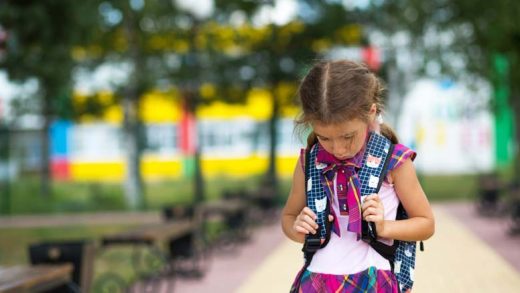
For decades, many Indian classrooms focused heavily on academic achievement, discipline, and examination performance. Success was often measured through marks, memorisation, and classroom obedience rather than emotional well-being or interpersonal growth. In this environment, children were expected to “behave,” “listen quietly,” and “focus on studies,” while feelings, emotional expression, and peer relationships received far less attention.
There were understandable reasons behind this approach. Large class sizes, competitive academic systems, limited teacher training in child psychology, and a cultural emphasis on educational success all contributed to a model in which emotional development was often considered secondary. In many cases, emotions were viewed as distractions from learning rather than as an essential part of it. As a result, areas like empathy, communication, self-regulation, and confidence were not always intentionally nurtured in early education.
Today, however, research and modern educational practices are changing that understanding. Educators worldwide increasingly recognise that academic learning cannot be separated from emotional well-being. A child who feels emotionally safe, socially connected, and understood is more likely to participate, explore, and learn effectively. This growing awareness has placed social and emotional development at the centre of quality early childhood education.
At Kangaroo Kids, this philosophy is deeply integrated into the classroom experience. The school’s approach goes beyond academics to intentionally nurture emotional intelligence, empathy, collaboration, and self-awareness from the earliest years.
What Is Social and Emotional Learning?
Before understanding the classroom approach, it helps to answer an important question: What is social and emotional learning?
Social-emotional learning refers to the process through which children:
- Understand emotions
- Build healthy relationships
- Develop empathy
- Learn self-regulation
- Make responsible decisions
This process supports healthy social and emotional development, which plays a critical role in both academic success and personal well-being.
Why Social and Emotional Development Matters in Early Childhood
The early years are foundational for emotional growth.
During this period, children begin learning:
- How to express feelings
- How to interact with peers
- How to manage frustration
- How to understand social cues
This stage of social-emotional development in early childhood shapes future relationships, confidence, and communication skills.
Research consistently highlights the importance of social-emotional learning in helping children succeed not only academically, but socially and emotionally throughout life.
Understanding Socio-Emotional Development
The term socio-emotional development refers to the combined growth of emotional awareness and social interaction skills.
Key Areas of Socio-Emotional Development
Children develop:
- Emotional regulation
- Self-confidence
- Empathy
- Cooperation
- Conflict resolution abilities
Healthy socio-emotional development in early childhood creates the foundation for resilience and positive relationships later in life.
How Kangaroo Kids Integrates Social-Emotional Learning
At Kangaroo Kids, emotional growth is not treated as a separate subject; it is woven into daily classroom experiences.
Core Principles
- Child-centered learning
- Emotional safety
- Collaborative interaction
- Open communication
This approach ensures that social and emotional development becomes a natural part of the learning environment.
Creating Emotionally Safe Classrooms
Children learn best when they feel emotionally secure.
How Kangaroo Kids Builds Emotional Safety
Teachers:
- Encourage open conversations
- Validate children’s feelings
- Create predictable routines
- Foster respectful communication
This nurturing environment supports healthy social-emotional development while helping children feel confident expressing themselves.
Why Traditional Indian Classrooms Often Struggle With Emotional Learning
Historically, many Indian schools prioritised structure and discipline over emotional expression.
Common Challenges
- Large student-to-teacher ratios
- Strong emphasis on examinations
- Limited emotional literacy training for educators
- Cultural discomfort around discussing emotions openly
In such systems, emotional behaviour was often corrected rather than understood. Quiet children were considered “well-behaved,” while emotional expression was sometimes discouraged.
However, modern educators increasingly recognise that suppressing emotions does not support healthy social and emotional development in early childhood. Instead, children need guided opportunities to understand and regulate emotions constructively.
Schools like Kangaroo Kids are helping shift this perspective by intentionally integrating emotional learning into everyday classroom interactions.
Social and Emotional Development Activities in the Classroom
At Kangaroo Kids, teachers use thoughtfully designed social and emotional development activities to help children build emotional awareness and interpersonal skills.
Examples Include
- Circle time discussions
- Storytelling and reflection
- Role-play activities
- Group projects
- Emotion recognition games
These activities encourage children to identify emotions, communicate respectfully, and collaborate with peers.
Social Development in Children Through Group Learning
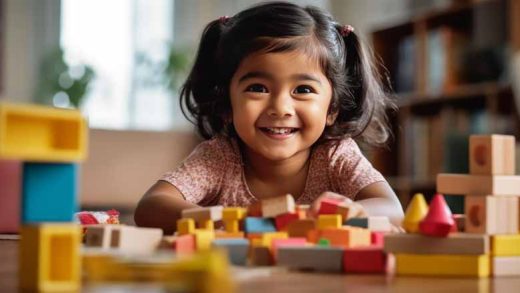
Interaction with peers is a major part of social development in children.
Classroom Experiences That Support Social Growth
- Cooperative play
- Sharing activities
- Partner tasks
- Team-based games
These experiences help children:
- Learn empathy
- Practice turn-taking
- Build friendships
- Resolve disagreements respectfully
Such interactions are central to healthy social development in early childhood.
Emotional Development in Early Childhood
Children do not automatically know how to manage emotions. Emotional skills must be nurtured intentionally.
Key Emotional Skills Developed
- Recognising feelings
- Managing frustration
- Expressing needs calmly
- Developing resilience
At Kangaroo Kids, teachers guide children through emotional experiences rather than dismissing them.
This supportive approach strengthens emotional development in early childhood and builds long-term emotional intelligence.
Read More: Emotional Development Stages in Preschoolers: What Parents Need to Know
Social Emotional Development Examples in Daily Learning
There are many practical social-emotional development examples visible in early childhood classrooms.
Everyday Examples
- Comforting a classmate who is upset
- Waiting patiently for a turn
- Expressing disagreement respectfully
- Helping peers during activities
These simple moments are powerful opportunities for social and emotional development.
Role of Teachers in Social Emotional Learning
Teachers play a critical role in shaping classroom culture.
How Teachers Support Emotional Growth
They:
- Model respectful communication
- Encourage reflection
- Ask open-ended questions
- Help children solve conflicts independently
This guidance helps children build healthy social-emotional development in children over time.
Social Emotional Learning in Preschool
The preschool years are especially important for emotional learning because children are just beginning to navigate social environments outside the home.
Why Social Emotional Learning in Preschool Matters
It helps children:
- Adapt to group settings
- Build self-confidence
- Handle transitions
- Develop emotional vocabulary
At Kangaroo Kids, social emotional learning in preschool is integrated into both structured and unstructured classroom experiences.
Using Stories and Role Play for Emotional Growth
Stories and dramatic play are powerful tools for emotional learning.
Benefits
Children learn to:
- Understand different perspectives
- Identify emotions in characters
- Practice empathy and communication
These activities strongly support socio-emotional development in meaningful ways.
The Role of Parents in Social-Emotional Development
Emotional learning does not end at school.
How Parents Can Help
Parents can support social and emotional development by:
- Encouraging open conversations
- Listening without judgment
- Modelling emotional regulation
- Helping children name feelings
Home and school together create a consistent emotional support system.
Social Emotional Development Preschool Checklist
While every child develops differently, a basic social-emotional development preschool checklist may include:
- Ability to express basic emotions
- Comfort interacting with peers
- Basic empathy and sharing skills
- Ability to follow simple routines
- Increasing independence
These indicators help parents and educators observe progress in emotional growth.
Global Relevance of Social-Emotional Learning
Across the world, education systems are increasingly recognising the value of emotional intelligence.
Global Trends Include
- Mindfulness in classrooms
- Emotional literacy programs
- Collaborative learning models
- Child-centred teaching approaches
These trends reinforce the growing importance of social and emotional development in modern education.
Long-Term Benefits of Social Emotional Development
Children with strong emotional foundations often:
- Build healthier relationships
- Communicate more effectively
- Show greater resilience
- Perform better academically
These lifelong benefits highlight why emotional learning is just as important as cognitive development.
Read More: The Role of Music and Rhythm in Brain Development
Final Thoughts
For many years, emotional learning remained in the background of traditional education systems, particularly in academically driven environments. But today, there is growing recognition that children cannot truly thrive unless their emotional and social needs are also nurtured.
At Kangaroo Kids, the classroom is not only a place for academic instruction, but also a space where children learn empathy, confidence, communication, and self-awareness. Through thoughtful experiences, guided interactions, and emotionally supportive teaching, the school helps children build strong foundations in social and emotional development from the earliest years.
In India and across the world, this shift toward holistic education reflects a deeper understanding of what children truly need: not just the ability to succeed academically, but the emotional skills to navigate life with confidence, compassion, and resilience.
For parents who want to nurture emotional intelligence, confidence, and healthy social skills in a structured learning environment, exploring the admission process at Kangaroo Kids Preschool can provide valuable insight into how empathy, communication, and social-emotional learning are thoughtfully integrated into everyday classroom experiences.