In many homes and classrooms, learning is often judged by the final result. From a neatly coloured picture to a perfectly shaped craft to a worksheet completed without mistakes, parents proudly display these finished products, believing they reflect a child’s ability and effort. However, modern educational philosophy encourages a shift in perspective. The real learning happens not in the final output, but in the journey taken to create it.
This is where process art for kids becomes a powerful tool. Instead of focusing on perfection, process-based learning values exploration, experimentation, and creativity. In Indian households, where structured outcomes are often emphasised, embracing this approach can transform children’s learning experiences.
What Is Process Art?
Understanding Process Over Product in Early Childhood
Process art for kids refers to activities that focus on the act of creating rather than the final product. There are no fixed instructions, no “right” or “wrong” outcomes, and no expectation of uniformity.
This aligns with the concept of process over product in early childhood, where the emphasis is on:
- Exploration
- Creativity
- Individual expression
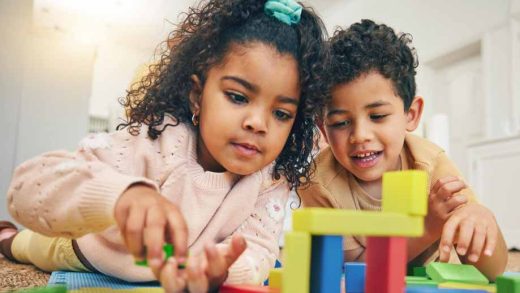
For example, instead of asking children to make identical paper flowers, process art allows them to freely experiment with colours, shapes, and materials.
Why Process Matters More Than Product
Learning Happens in the Doing
When children engage in process art, they are:
- Making decisions
- Solving problems
- Testing ideas
These actions build critical thinking skills and confidence. In contrast, product-focused activities often limit creativity by requiring children to follow strict instructions.
Encouraging Creative Expression for Children
One of the greatest advantages of process-based learning is that it promotes creative expression for children. Every child is unique, and process art allows them to:
- Express emotions
- Explore imagination
- Develop personal style
In Indian cultural contexts, where art forms like rangoli, folk painting, and crafts such as kite-making are rich and diverse, encouraging creativity without rigid boundaries can help children connect with tradition in meaningful ways.
The Science Behind Process-Based Learning
Experiential Learning Benefits
Children learn best by doing. This is the foundation of experiential learning, where knowledge is gained through direct experience.
The experiential learning benefits of process art include:
- Improved memory retention
- Better problem-solving skills
- Enhanced motor development
When children actively engage in creating, they form stronger neural connections compared to passive learning methods.
How Process Art Builds Essential Skills
Cognitive Development
Through process art for kids, children develop:
- Decision-making skills
- Logical thinking
- Pattern recognition
For example, choosing colours or deciding how to arrange materials involves planning and reasoning.
Emotional Growth
Process art provides a safe space for children to express feelings. They learn to:
- Handle mistakes
- Build resilience
- Gain confidence
When there is no pressure to produce a “perfect” result, children feel freer to explore.
Social Skills
In group settings, process-based activities encourage:
- Collaboration
- Sharing ideas
- Respecting different perspectives
These interactions are essential for overall development.
Process Art in Indian Homes
Learning with Everyday Materials
One of the biggest advantages of process art for kids is that it does not require expensive supplies.
In Indian homes, parents can use:
- Old newspapers
- Fabric scraps
- Natural materials like leaves and मिट्टी (clay)
These resources make art accessible and sustainable.
Blending Tradition with Creativity
Traditional Indian practices can be adapted into process-based activities.
Examples include:
- Creating free-form rangoli designs
- Exploring colours with turmeric and kumkum
- Using clay for open-ended sculpting
These activities combine cultural learning with creative exploration.
Moving Away from Perfection
The Problem with “Perfect Crafts”
Product-focused activities often result in identical outcomes.
This can lead to:
- Comparison among children
- Fear of making mistakes
- Reduced creativity
Children may begin to believe that there is only one “correct” way to create.
Embracing Imperfection
Process art for kids teaches children that:
- Mistakes are part of learning
- There is no single right answer
- Creativity is personal
This mindset is essential for innovation and problem-solving later in life.
The Role of Parents and Educators
Supporting Process Over Product in Early Childhood
Parents play a crucial role in shifting the focus from results to experiences.
What You Can Do:
- Appreciate effort, not just outcomes
- Avoid correcting or altering your child’s work
- Encourage exploration
This approach reinforces the idea of process over product in early childhood.
Asking the Right Questions
Instead of asking:
- “What did you make?”
Try asking:
- “How did you make it?”
- “What did you enjoy the most?”
These questions focus on the experience rather than the result.
Practical Process Art Activities
Simple Ideas for Home
Here are some easy and effective Process art for kids activities:
- 1. Free Painting: Let children paint without guidelines or themes.
- 2. Collage Making: Provide a variety of materials and let them create freely.
- 3. Clay Exploration: Allow children to shape and reshape without instructions.
- 4. Nature Art: Use leaves, stones, and flowers for creative expression.
- 5. Colour Mixing: Encourage experimenting with different colour combinations.
These activities promote creativity and exploration.
Balancing Structure and Freedom
When Guidance Is Helpful
While process art emphasises freedom, some level of guidance can be beneficial.
For example:
- Introducing new materials
- Demonstrating techniques
- Ensuring safety
The key is to guide without controlling.
Creating a Supportive Environment
A positive learning environment should:
- Encourage curiosity
- Allow experimentation
- Avoid judgment
This ensures that process art for kids remains enjoyable and meaningful.
Long-Term Impact of Process-Based Learning
Building Lifelong Skills
Children who engage in process-based learning are more likely to:
- Think creatively
- Adapt to challenges
- Approach problems with confidence
These skills are essential in today’s rapidly changing world.
Beyond Art: A Learning Philosophy
The principles of process art for kids extend beyond art activities.
They influence how children approach:
- Academics
- Relationships
- Life challenges
Focusing on effort and experience helps children develop a growth mindset.
Common Mistakes to Avoid
- Over-Directing the Activity: Giving too many instructions can limit creativity.
- Comparing Children’s Work: Each child’s creation is unique and should be valued as such.
- Focusing Only on the Final Product: This shifts attention away from the learning process.
Avoiding these mistakes ensures that process art for kids remains effective and enjoyable.
Celebrating the Journey of Learning
In a world that often values results over effort, embracing process-based learning is both refreshing and necessary. It reminds us that true learning lies in exploration, not perfection. By focusing on process art, parents and educators can nurture creativity, confidence, and curiosity in children. These qualities are far more valuable than any perfectly crafted product.
In Indian homes and across the globe, shifting the focus from “What did you make?” to “What did you learn?” can transform the way children experience education. Because in the end, it is not the product that shapes the child, it is the process. Find out how Kangaroo Kids values process over product in our classrooms!