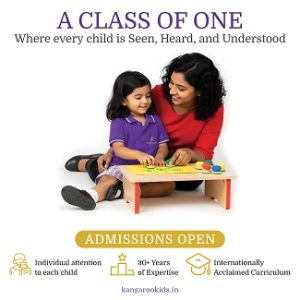
For many parents, the word assessment brings to mind exams, report cards, and academic pressure. In early childhood, however, assessments look very different. They are not about testing children; they are about understanding them. In preschools across India and around the world, educators use gentle, observation-based approaches to track how children grow and learn.
These approaches, often referred to as preschool assessment tools, focus on development rather than performance. This article aims to reassure parents that early assessments are not stressful evaluations but supportive methods to help children thrive.
What Are Preschool Assessments?
Moving Beyond Tests and Exams
Unlike formal schooling, preschool assessments are not written tests or structured exams. Instead, they involve observing children in natural settings.
Preschool assessment tools are designed to:
- Understand how a child learns
- Identify strengths and areas for support
- Track developmental progress
These tools are subtle and integrated into daily activities, ensuring that children feel comfortable and engaged.
Importance of Early Childhood Assessment
The importance of early childhood assessment lies in its ability to provide insights during the most critical phase of development.
Early assessments help:
- Detect developmental delays early
- Support individualised learning
- Build a strong foundation for future education
Rather than labelling children, these assessments guide parents and educators in supporting each child’s unique journey.
How Preschool Assessment Tools Work
Observation as the Key Method
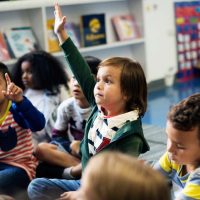
The most common preschool assessment tools rely on observation. Teachers watch how children:
- Play and interact
- Communicate and express themselves
- Solve problems
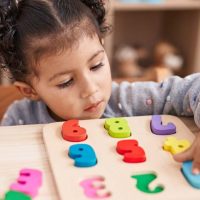
For example, a teacher might observe how a child shares toys or completes a puzzle. These observations provide valuable information about social, emotional, and cognitive development.
Tracking Child Development Milestones
One of the primary goals of early assessment is tracking child development milestones.
Milestones include:
- Speaking simple sentences
- Recognising shapes and colours
- Following instructions
- Interacting with peers
By monitoring these milestones, educators can ensure that children are developing at an appropriate pace. Using preschool assessment tools, teachers can document progress over time without interrupting the child’s natural learning process.
Types of Preschool Assessment Tools
Informal Assessment Methods
Most early childhood assessments rely on informal methods rather than formal testing.
These include:
- Anecdotal records (short observations)
- Checklists of skills and behaviours
- Portfolios of children’s work
- Photographs and activity notes
These methods allow educators to capture a holistic picture of a child’s development.
Play-Based Assessment
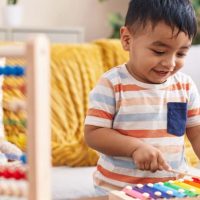
Children reveal their abilities best during play.
Through play, teachers can observe:
- Problem-solving skills
- Creativity
- Social interactions
This makes play an essential component of preschool assessment tools.
Continuous Assessment
Early assessments are ongoing rather than one-time events. Teachers regularly observe and record progress, ensuring that development is tracked consistently. This continuous approach highlights the importance of early childhood assessment in identifying changes over time.
Why Early Assessments Are Not Stressful
No Pressure, No Performance Anxiety
Unlike exams, early assessments do not involve:
- Time limits
- Right or wrong answers
- Grades or rankings
Children are not even aware that they are being assessed. This is what makes preschool assessment tools child-friendly and non-intrusive.
Focus on Growth, Not Comparison
Early assessments focus on individual progress rather than comparing children. Each child develops at their own pace, and assessments reflect this understanding. This approach reduces stress for both children and parents.
The Indian Context: Changing Perspectives
From Marks to Milestones
Traditionally, education in India has been associated with marks and academic performance. However, early childhood education is gradually shifting toward developmental approaches. Today, parents are becoming more aware of the value of preschool assessment tools that focus on growth rather than grades.
Role of Preschools and Anganwadis
In India, more and more preschools and anganwadi centres play a key role in early childhood development.
They use simple and effective methods for:
- Tracking child development milestones
- Supporting learning through play
- Engaging families in the process
This aligns with global best practices in early education.
Benefits of Preschool Assessment Tools
Early Identification of Needs
One of the biggest advantages of preschool assessment tools is early detection.
If a child shows delays in:
- Speech,
- Motor skills, or
- Social interaction, …educators can provide timely support.
Personalised Learning
Assessments help teachers tailor activities to suit each child’s needs.
For example:
- A child struggling with language may receive more storytelling activities
- A child excelling in problem-solving may be given challenging tasks
This individualised approach highlights the importance of early childhood assessment.
Better Parent-Teacher Communication
Assessment results provide valuable insights for parents.
Teachers can share:
- Observations about the child
- Progress updates
- Suggestions for home activities
This collaboration ensures consistent support for the child.
Role of Parents in Early Assessment
Observing at Home
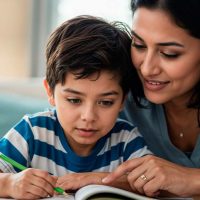
Parents can also use simple observation techniques at home.
Watch how your child:
- Plays with others
- Communicates needs
- Solves everyday problems
These observations complement preschool assessment tools used in schools.
Supporting Development Naturally
Parents do not need formal tools to support their child’s growth.
Simple activities like:
- Talking and reading
- Playing games, and
- Encouraging exploration … help reinforce development.
Common Misconceptions About Early Assessments
- “Assessments Mean Testing”: This is one of the biggest misconceptions. In reality, early assessments are observational and integrated into daily routines.
- “My Child Will Be Judged”: Early assessments do not label or judge children. They are designed to understand and support development.
- “Assessments Are Only for Schools”: Parents also play a role in observing and supporting their child’s growth.
Understanding these misconceptions helps parents appreciate the value of preschool assessment tools.
How to Choose the Right Preschool
Look for Development-Focused Approaches
When selecting a preschool, consider:
- Use of observation-based assessments
- Emphasis on play and interaction
- Regular communication with parents
Quality preschools use preschool assessment tools to support learning rather than measure performance.
Ask the Right Questions
Parents can ask:
- How do you track my child’s progress?
- What methods do you use for assessment?
- How will I be informed about my child’s development?
These questions help ensure that the preschool aligns with your expectations.
Long-Term Impact of Early Assessments
Building a Strong Foundation
Early assessments contribute to:
- Better school readiness
- Stronger learning skills
- Emotional confidence
They ensure that children receive the support they need from the beginning.
Encouraging Lifelong Learning
When children are supported rather than tested, they develop a positive attitude toward learning. This mindset stays with them throughout life.
Practical Tips for Parents
Supporting Assessment at Home
- Observe your child without judgment
- Encourage play and exploration
- Communicate regularly with teachers
- Focus on progress, not perfection
These steps complement the use of preschool assessment tools.
Understanding, Not Evaluating
Early assessments are not just about testing children; they are about understanding them. By using preschool assessment tools, educators and parents can work together to support a child’s growth in a gentle and effective way.
The importance of early childhood assessment lies in its ability to guide development, identify needs, and celebrate progress. In India and across the world, the shift from exams to observation is helping create a more supportive learning environment for young children. When assessments are used thoughtfully, they become a powerful tool, not for judging children, but for helping them reach their full potential.
Discover how Kangaroo Kids supports your child’s milestones with careful, pressure-free assessments.