‘Dear Parents, Kindness Is Caught, Not Taught’
- “Be nice.”
- “Say sorry.”
- “Share your toys.”
These are phrases children hear often, yet simply telling them what to do does not always lead to genuine understanding. Kindness is not a rule to memorise. It is a behaviour to experience, observe, and internalise. This is why teaching kindness to kids requires more than instructions. It involves modelling, creating meaningful experiences, and guiding children through real-life situations.
In Indian homes, where values, respect, and relationships are deeply rooted, there are countless opportunities to nurture kindness naturally. This article explores how parents can build kindness in children without lectures, using everyday moments as powerful lessons.
Why Kindness Matters in Early Childhood
Building Strong Foundations
Kindness is one of the most important moral values for kids. It helps children:
- Build positive relationships
- Develop empathy
- Feel connected to others
Emotional and Social Benefits
Children who learn kindness early are more likely to:
- Show empathy
- Resolve conflicts peacefully
- Build strong friendships
This makes teaching kindness to kids essential for both emotional and social development.
Why Lecturing Doesn’t Work
Children Learn Through Experience
Young children do not learn values through long explanations. Instead, they learn by:
- Observing adults
- Experiencing situations
- Participating in actions
The Problem with “Just Be Nice”
When children hear “be nice” without context, they may not understand:
- What kindness looks like
- When to apply it
- Why it matters
This is why teaching kindness to kids must be practical and experiential.
The Power of Role Modelling
Children Mirror Adult Behaviour
Parents are a child’s first role models. When children see the following being observed by adults:
- Helping others
- Speaking politely
- Showing patience …they begin to imitate these behaviours.
Everyday Examples of Kindness
In Indian households, kindness can be modelled through:
- Respecting elders
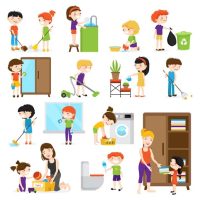
- Helping household staff
- Sharing food with others
These actions naturally support teaching kindness to kids.
Teaching Kindness Through Daily Life
Small Acts, Big Lessons
Kindness does not require grand gestures. Simple actions can have a lasting impact. Examples:
- Holding the door for someone
- Saying “thank you”
- Helping a sibling
These everyday moments reinforce kindness.
Using Real-Life Situations
Turning Moments into Lessons
When situations arise, parents can guide children by asking:
- “How do you think they feel?”
- “What can we do to help?”
This approach helps children understand kindness in context.
Encouraging Empathy in Children
Developing Empathy in Preschoolers
Empathy is the ability to understand others’ feelings. Empathy activities for students can include:
- Discussing emotions
- Reading stories about kindness
- Role-playing situations
Naming and Understanding Emotions
Teach children to recognise emotions:
- Happy
- Sad
- Angry
- Hurt
Understanding emotions is key to teaching kindness to kids.
Practical Kindness Activities for Kids
Random Acts of Kindness for Children
Encourage random acts of kindness for children, such as:
- Sharing toys with friends
- Helping a classmate
- Writing thank-you notes
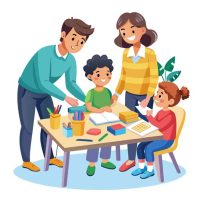
Family Kindness Projects
Families can:
- Donate toys or clothes
- Help neighbors
- Participate in community activities
These experiences make kindness meaningful.
Kindness Through Play
Role Play and Scenarios
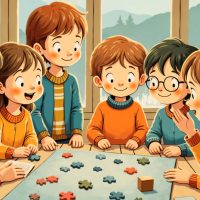
Role play helps children practice kindness. Examples:
- Helping a friend who is sad
- Sharing during playtime
- Resolving conflicts
Group Activities
Group games teach:
- Cooperation
- Sharing
- Respect
These activities support teaching kindness to kids.
Building Kindness Habits
Consistency Matters
Kindness should be practised daily. Parents can:
- Encourage polite language
- Reinforce positive behavior
- Create routines that include helping others
Praise Effort, Not Just Outcome
Instead of saying: “Good job being nice” Say: “I noticed you helped your friend. That was kind.” This reinforces behaviour.
Indian Context: Cultural Roots of Kindness
Learning Through Traditions
Indian culture emphasises values like:
- Respect (संस्कार)
- Compassion
- Community support
Festivals and Giving
Festivals like Diwali, Eid, and Christmas often involve:
- Sharing
- Giving
- Helping others
These traditions provide natural opportunities for teaching kindness to kids.
Handling Challenges
When Children Are Not Kind
If a child behaves unkindly:
- Stay calm
- Explain the impact of their actions
- Guide them toward better choices
Avoid Punishment-Based Teaching
Kindness should not be enforced through punishment. Instead:
- Use guidance
- Encourage reflection
- Model behavior
Long-Term Benefits of Teaching Kindness
Children who learn kindness early are more likely to:
- Build strong relationships
- Develop emotional intelligence
- Contribute positively to society
These benefits highlight the importance of teaching kindness to kids.
Role of Parents and Caregivers
Creating a Supportive Environment
Parents should:
- Encourage open communication
- Validate emotions
- Provide opportunities for kindness
Being Consistent
Consistency is key. Children learn best when kindness is practised regularly.
Practical Daily Routine
Simple Steps to Follow
- Morning: Practice polite greetings
- Afternoon: Encourage sharing and helping
- Evening: Reflect on kind actions
This routine supports teaching kindness to kids.
Common Mistakes to Avoid
- Over-Explaining: Keep explanations simple and practical.
- Ignoring Small Acts: Even small acts of kindness should be acknowledged.
- Expecting Immediate Results: Kindness develops over time.
Raising Kind and Compassionate Children
Kindness is not something that can be taught through lectures alone. It is a value that grows through observation, experience, and practice. By focusing on teaching kindness to kids through everyday interactions, parents can help children develop empathy, compassion, and strong social skills.
In Indian homes and across the world, kindness remains a universal value. When children see it, experience it, and practice it, they carry it with them for life. Because in the end, the most powerful lessons are not the ones we tell, but rather, the ones we show. Discover how Kangaroo Kids builds a foundation of kindness and empathy in early learners.