Preschoolers spend enormous energy listening, playing, sharing, communicating, and managing transitions. A thoughtful preschool daily routine gives children a predictable rhythm for resting, reconnecting, playing, and preparing comfortably for the next day.
Why Do Preschoolers Need an After-School Routine?
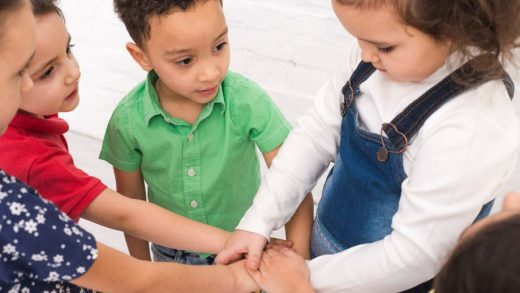
Preschool may look like play to adults, but it involves considerable physical, social, emotional, and cognitive effort. Children follow instructions, interact with peers, manage belongings, participate in group activities, and navigate emotions without their parents nearby.
Coming home represents another transition. A consistent preschool daily routine helps children know what will happen next. Predictability can reduce unnecessary negotiations and provide the security young children often need after a stimulating day.
The goal isn’t to schedule every minute. Children need structure combined with flexibility.
Start With Connection Before Questions
Parents naturally want to know what happened at school. “What did you learn?” and “What did your teacher say?” may begin the moment children enter the car.
Many preschoolers need quiet reconnection first.
Offer a hug, smile, water, or simple greeting. Instead of questioning right away, let conversation emerge naturally. A child may share something important while eating or playing later.
Make Food and Hydration an Early Priority
A practical preschool daily routine addresses physical needs before expecting children to cooperate with additional tasks. Hunger can dramatically affect a young child’s mood. So, keep familiar options available. Fruit, yoghurt, idli, paneer, eggs, sandwiches, poha, or other family foods can work depending on your routine.
Water is equally important, particularly in India’s warmer climate.
Build in Time to Decompress
After several hours of following a group schedule, some children need unstructured time.
One child may want to build with blocks. Another may draw, look at books, cuddle a parent, or simply sit quietly. Avoid filling every afternoon with classes and adult-directed activities.
Decompression is not wasted time. It helps children regulate after preschool stimulation and creates a healthier transition between school and home.
Include Active Play Every Afternoon
Preschoolers still need movement after school. When weather and circumstances allow, provide opportunities to run, cycle, climb, kick a ball, or visit a playground.
Indian families living in apartments can use society compounds, nearby parks, terraces where appropriate, or indoor movement activities when outdoor conditions are unsuitable.
Movement can become a reliable part of the preschool daily routine, particularly for children who become restless later in the evening.
Keep Screens From Becoming the Default
Screens can be tempting after school because children are tired and parents may need time for work or household responsibilities.
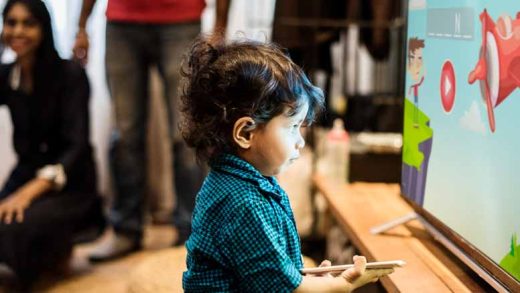
Problems arise when television or devices become the automatic response to every afternoon.
Create clear expectations about when screens are available. Offer alternatives such as puzzles, books, drawing, pretend play, music, or construction toys.
A balanced preschool routine should leave generous space for child-led play, movement, conversation, and rest.
Should Preschoolers Have Homework After School?
Preschool children learn powerfully through play and everyday experiences. If the preschool provides a small home activity, follow its guidance without turning the afternoon into another classroom session.
Reading together, sorting vegetables, counting spoons, helping prepare dinner, building with blocks, or talking about the day can all reinforce learning naturally.
At Kangaroo Kids, child-centred learning emphasises exploration, creativity, communication, and meaningful experiences. Home can complement this approach without recreating formal classroom instruction.
Use a Visual Schedule for Predictability
Young children may respond better to pictures than repeated verbal reminders. Create a preschool daily routine chart with simple images representing homecoming, washing hands, eating, resting, playing, bathing, dinner, reading, and bedtime.
A daily routine picture schedule for preschool can help children understand sequence and develop independence. They can check what happens next instead of relying on parents to direct every step.
Keep the chart simple enough for your child to understand.
Give Your Child Small Responsibilities
After-school routines provide excellent opportunities to practise independence. Encourage your child to place shoes in their designated spot, empty the lunch box, put the water bottle near the kitchen, and keep the school bag where it belongs.
Over time, including them in the preschool daily routine teaches responsibility and reduces the amount parents must organise each evening.
Prepare Gradually for the Next Morning
Evening preparation can make both bedtime and the following morning calmer. Together, check the school bag, choose clothes if necessary, refill required supplies, and place shoes where they can be found easily.
Avoid doing everything for your child. Let them participate in simple tasks.
This closes the school-day cycle and reinforces the predictability of the preschool daily routine.
Keep Bedtime Consistent
After-school organisation ultimately supports sleep. A child who eats, plays, bathes, and winds down at reasonably consistent times is more likely to recognise bedtime cues.
Create a calming final sequence involving quieter play, brushing teeth, stories, conversation, and sleep.
Read More: A Guide to Preschool Admissions in India: Timelines, Questions, and Red Flags
How Can Kangaroo Kids and Home Routines Work Together?
At Kangaroo Kids, children experience learning through active participation, play, communication, exploration, and developmentally appropriate experiences. Parents can complement this philosophy by making afternoons supportive rather than academically overloaded.
Ask teachers about classroom timings, meals, rest, and activity levels when planning home routines. Understanding what your child has already experienced helps you decide whether the afternoon requires movement, quiet time, food, or connection.
Last Thoughts
Begin with connection, food, hydration, and decompression. Include movement, free play, manageable responsibilities, family interaction, and a calm bedtime routine. Adjust the schedule when your child’s needs or school timings change.
Most importantly, observe your child. A successful routine should help them arrive home, recover from their busy day, reconnect with family, and gradually prepare for tomorrow. Structure should calm family life, not create another set of demands.
For parents seeking a preschool where creativity, communication, independence, and imaginative learning are nurtured within a thoughtfully structured environment, exploring admissions at Kangaroo Kids can offer valuable insight into how storytelling, role-play, active exploration, and play-based experiences become meaningful opportunities that support children at school while helping families build positive rhythms around their early-learning journey.