I remember visiting a close friend one evening and finding her kitchen unusually lively. And not because of guests (that is, me), but because her five-year-old son had claimed a spot on the counter beside her. With intense concentration, he was carefully pouring flour into a bowl, pausing every few seconds to check if he had “measured it right.” There was flour on the counter, a little on the floor, and quite a bit on his hands. But what stood out most was his focus. He wasn’t just helping; he was thinking, observing, and learning.
As I watched them cook together, I noticed how naturally learning was unfolding. His mother gently guided him: “Half a cup more,” “Stir slowly,” “Let’s wait for it to cook”.
He followed each step with curiosity and patience. In that small, everyday moment, I could see how something as simple as cooking was shaping his confidence, attention span, and even his fine motor skill development. It wasn’t a formal lesson, yet it reflected everything we aim for in early childhood learning.
That experience perfectly captured how powerful everyday activities can be. Cooking, often seen as a routine task, can become a rich learning experience, one that brings together maths, science, patience, and connection. And as more parents look for meaningful ways to support their child’s growth at home, it becomes clear that the kitchen might just be one of the most underrated classrooms we have.
In many Indian homes, the kitchen is more than a place to prepare meals. It is a space where traditions, skills, and values are passed down through generations. What many parents may not realise is that involving children in cooking is also a powerful educational tool. From measuring ingredients to observing changes during cooking, the kitchen becomes a live classroom.
More importantly, cooking plays a significant role in fine motor skill development, helping children strengthen hand-eye coordination, precision, and control. At the same time, it introduces concepts of maths, science, and patience in a natural and engaging way.
This article explores how cooking with your child supports learning and why it should be a regular part of your routine, whether you are in India or anywhere in the world.
Why Cooking Is a Powerful Learning Tool
Children learn best when they are actively involved. Cooking offers hands-on experiences that combine multiple areas of learning.
Through cooking, children engage in:
- Observation
- Measurement
- Problem-solving
- Sequencing
These are essential components of experiential learning for kids, where knowledge is gained through doing rather than memorising.
At the same time, repetitive actions like stirring, kneading, and pouring contribute significantly to fine motor skill development, which is crucial in early childhood.
Read More: 10 Skills That Are a Must for Preschoolers Development
Fine Motor Skill Development in the Kitchen
Before diving into academic benefits, it’s important to understand how cooking strengthens physical skills.
What Are Fine Motor Skills?
Fine motor skills involve small-muscle movements of the hands and fingers. These skills are essential for:
- Writing
- Drawing
- Buttoning clothes
- Using tools
Cooking activities naturally promote fine motor skill development through everyday tasks.
Kitchen Activities That Build Fine Motor Skills
1. Kneading Dough
A common activity in Indian kitchens, kneading dough strengthens finger muscles and improves coordination.
2. Pouring and Measuring
Pouring liquids or measuring ingredients requires control and precision, enhancing fine motor skill development.
3. Peeling and Cutting (Age-Appropriate)
Using safe tools helps children develop grip strength and hand control.
4. Mixing and Stirring
Circular hand movements improve coordination and muscle control.
These simple actions make cooking one of the most effective ways to support fine motor skill development.
Learning Maths Through Cooking
Maths becomes meaningful when children see it in real-life contexts.
Concepts Children Learn
1. Measurement
- Cups, teaspoons, and grams introduce units of measurement
- Comparing quantities helps build number sense
2. Counting
- Counting ingredients or steps
- Dividing portions
3. Fractions
- Understanding halves and quarters while cutting or measuring
Cooking transforms abstract numbers into tangible experiences, making it one of the most engaging early childhood learning activities.
Understanding Science in Everyday Cooking
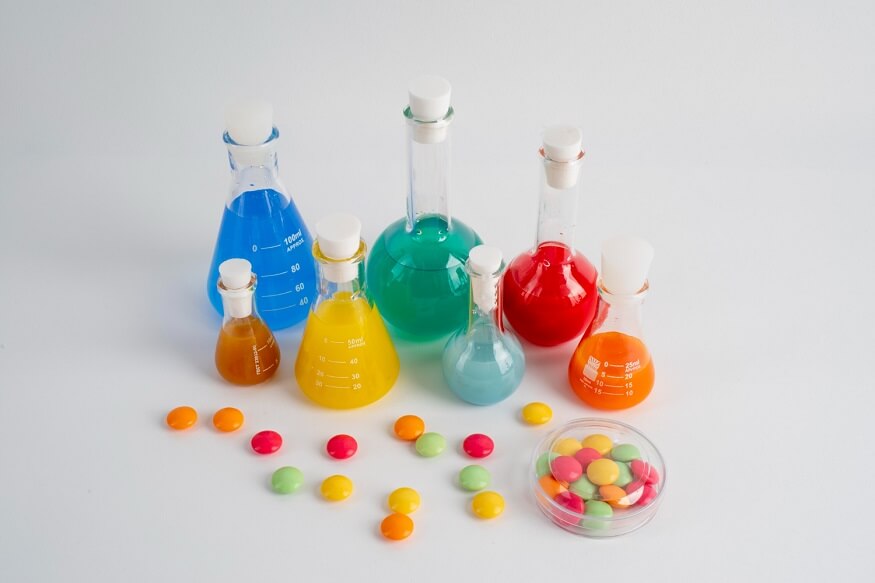
The kitchen is a natural laboratory where children can observe scientific concepts in action.
Key Science Concepts
1. Physical and Chemical Changes
- Dough rising
- Water boiling
- Ingredients changing colour or texture
2. Cause and Effect
- What happens when you add too much water?
- Why does food cook faster on high heat?
3. States of Matter
- Solid to liquid (melting butter)
- Liquid to gas (steam)
These observations make cooking a practical example of experiential learning for kids, where science is explored through real-world experiences.
Teaching Patience Through Cooking
In a fast-paced world, patience is a skill that needs to be nurtured.
How Cooking Builds Patience
- Waiting for the dough to rise
- Allowing food to cook properly
- Following step-by-step instructions
These experiences teach children that good results take time, reinforcing discipline and focus alongside fine motor skill development.
Strengthening Parent-Child Bonding
Cooking together is more than a learning activity. It is a shared experience.
Benefits of Parent-Child Bonding Activities
- Builds trust and communication
- Creates lasting memories
- Encourages teamwork
These parent-child bonding activities also provide opportunities for informal learning and emotional connection.
Cooking as a Cultural Learning Experience
In India, cooking is deeply rooted in tradition and culture.
Examples
- Rolling chapatis teaches coordination and precision
- Making idli or dosa batter introduces fermentation concepts
- Preparing festive dishes connects children to cultural heritage
These experiences not only support fine motor skill development but also help children understand their cultural identity.
Age-Appropriate Cooking Activities
To ensure safety and effectiveness, activities should match the child’s age.
Ages 2–4
- Washing vegetables
- Mixing ingredients
- Simple pouring tasks
These activities support early fine motor skill development.
Ages 5–7
- Measuring ingredients
- Kneading dough
- Arranging food items
Ages 8+
- Basic cutting (with supervision)
- Following simple recipes
- Assisting in cooking processes
Following age-appropriate tasks ensures that cooking remains safe and enjoyable.
How to Get Started at Home
Parents often hesitate to involve children in cooking due to concerns about mess or time. However, starting small can make a big difference.
Practical Tips
1. Choose Simple Recipes
Start with easy dishes like sandwiches, fruit salads, or chapati dough.
2. Prepare the Space
Keep tools and ingredients within reach.
3. Focus on the Process, Not Perfection
Allow children to explore and make mistakes.
4. Encourage Questions
Explain what you are doing and why.
These steps make cooking one of the most effective early childhood learning activities at home.
Common Mistakes to Avoid
1. Taking Over the Task
Let children participate actively rather than just observing.
2. Expecting Perfection
Mistakes are part of learning and growth.
3. Ignoring Safety
Always supervise and use age-appropriate tools.
Avoiding these mistakes ensures that cooking supports both learning and fine motor skill development.
Long-Term Benefits of Cooking with Children
The skills developed in the kitchen extend far beyond childhood.
Academic Benefits
- Improved understanding of maths and science
- Better problem-solving skills
Life Skills
- Independence
- Responsibility
- Time management
Emotional Benefits
- Increased confidence
- Stronger family bonds
These outcomes highlight the lasting impact of activities that promote fine motor skill development.
Learning Beyond the Classroom
Across the world, educators are recognising the value of hands-on learning.
Cooking aligns with global trends in:
- Experiential education
- Skill-based learning
- Holistic development
This reinforces the importance of experiential learning for kids in modern education systems.
Read More: Unlocking the Secrets: Why You Should Let a Sleeping Baby Dream Peacefully
Integrating Cooking into Daily Life
Cooking does not have to be a special activity. It can be part of everyday routines.
Simple Ideas
- Involve children in meal preparation
- Let them help with grocery sorting
- Encourage them to try new foods
These small steps make learning continuous and meaningful.
Final Thoughts
Cooking with your child is one of the simplest yet most powerful ways to support learning and development. From understanding maths and science to building patience and independence, the kitchen offers endless opportunities.
Most importantly, it plays a vital role in fine motor skill development, preparing children for everyday tasks and academic success. Combined with the benefits of experiential learning for kids and meaningful parent-child bonding activities, cooking becomes much more than a daily chore. It becomes a foundation for lifelong learning.
In India and across the world, the message is clear. When children are invited into the kitchen, they don’t just learn how to cook: they learn how to think, create, and grow. For parents who want to extend this kind of hands-on, experiential learning into a structured environment, exploring the admission process at Kangaroo Kids Preschool can offer valuable insights into how everyday experiences are transformed into meaningful learning journeys.