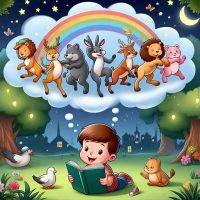
Children are naturally fascinated by animals. A dog barking outside the window, a butterfly resting on a flower, a cow walking along a road, or birds gathering on a balcony can quickly become a preschooler’s moment of wonder. World Animal Day gives parents and educators a chance to build on that curiosity and introduce young children to kindness, care, respect, and the natural world.
Observed every year on October 4, World Animal Day encourages people to think about animal welfare and responsible treatment of animals. For preschoolers, the occasion does not need complicated lessons. Simple stories, crafts, songs, observations, and pretend play can make the idea meaningful.
How Can Parents Explain World Animal Day to Preschoolers?
– Keep the Conversation Simple and Positive
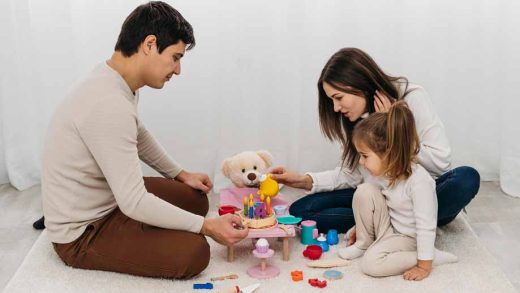
Keep a World Animal Day conversation age-appropriate. Young children do not need detailed discussions about animal suffering. Instead, parents can explain that animals are living beings that need food, water, shelter, safety, and kindness.
Ask children what animals need to stay healthy. Encourage them to name animals they have seen and describe how they move, eat, communicate, or live.
Indian families can make the conversation especially relatable by discussing animals children encounter locally, such as cows, dogs, cats, squirrels, crows, sparrows, butterflies, fish, and different insects.
What Are the Best World Animal Day Activities?
– Create an Animal Movement Game
One of the easiest World Animal Day activities is an animal movement game. Call out an animal and invite children to imitate it. They might hop like a rabbit, stretch like a cat, flap like a bird, walk slowly like a tortoise, or stomp like an elephant.
This activity combines physical movement with imagination. Parents can ask children why they think each animal moves differently.
– Make an Animal Habitat
Give children paper, blocks, recycled boxes, leaves, twigs, or child-safe craft materials and invite them to create a habitat. One child might make a forest for a tiger, while another creates a pond for frogs and fish.
The activity can become a conversation about shelter, food, water, and protection. It also encourages creativity and problem-solving.
How Can Indian Parents Add Local Context?
– Explore Animals Around Your Neighbourhood
A meaningful World Animal Day activity does not have to involve exotic wildlife. Take children on a short nature walk and encourage them to look for birds, insects, butterflies, squirrels, or other animals.
Children can keep a simple observation record by drawing what they see. Remind them not to touch, chase, feed, or disturb unfamiliar animals.
How Can Stories Teach Children About Animal Welfare?
– Read, Retell, and Role Play
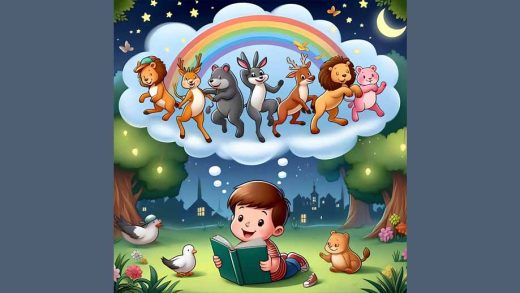
Stories are powerful tools for preschool learning. Choose age-appropriate stories where animals have distinct personalities, challenges, friendships, or habitats. After reading, ask children what happened and how the characters might have felt.
A World Animal Welfare Day theme can introduce simple ideas such as giving animals water, being gentle with pets, protecting nests, and keeping natural spaces clean.
Children can then role-play as veterinarians, wildlife rescuers, pet carers, forest rangers, or animal researchers. Role play allows children to explore ideas through language, imagination, and collaboration.
What Creative Activities Can Teachers Plan?
– Make Animal Masks and Puppets
For an engaging World Animal Day celebration, teachers can provide templates or simple materials for animal masks. Children can choose their favourite animal, decorate the mask, and then use it during a storytelling session.
Another option is creating paper bag or sock puppets. Children can give their animals names and invent short conversations between them. This combines art with communication and storytelling.
How Can Children Learn About Animal Habitats?
– Connect Animals With Their Homes
Create a simple classroom matching game. Place pictures of animals alongside pictures of habitats and invite children to make connections. Match fish with water, birds with nests, and polar animals with cold environments.
Teachers can then ask open-ended questions. Where does this animal live? What might it eat? How does its body help it survive?
This kind of activity supports early science learning while introducing children to biodiversity. It also encourages children to understand that different animals have different needs.
How Can Schools Encourage Kindness Toward Animals?
– Turn Learning Into Everyday Action
An animal day celebration in preschool can extend beyond one day. Teachers and parents can encourage everyday habits such as keeping surroundings clean, avoiding plastic waste, respecting animals from a safe distance, and caring for pets responsibly.
Children can also make posters showing simple messages such as “Be Kind to Animals” or “Give Birds Water.” During hot Indian summers, adults can explain why birds and other animals need access to safe water, while also teaching children that adults should decide where and how to provide it.
FAQs Parents May Ask About Kangaroo Kids
What Ages Are the Preschool Programmes Designed For?
According to Kangaroo Kids, Playgroup is generally for children aged 2 to 3, Nursery for ages 3 to 4, Junior KG for ages 4 to 5, and Senior KG for ages 5 to 6.
What Learning Approach Does Kangaroo Kids Follow?
Kangaroo Kids uses its iCan Learning System and Fluidic Learning Methodology within a learner-centric approach. Children learn through exploration, play, creativity, communication, and experiences designed around their developmental needs.
Last Thoughts
World Animal Day can be a wonderful opportunity to help preschoolers develop curiosity and compassion through movement games, stories, crafts, habitat activities, nature walks, and role play.
A thoughtful World Animal Day celebration should leave children with more than a craft to take home. It should encourage them to notice living things, ask questions, behave gently, and understand that caring for animals is part of caring for the world around them.
For parents looking for a preschool environment where curiosity about the natural world can grow through creativity, communication, storytelling, role play, and hands-on exploration, exploring admission at Kangaroo Kids Preschool can provide valuable insight into how meaningful experiences can turn children’s natural fascination with animals into joyful learning opportunities.