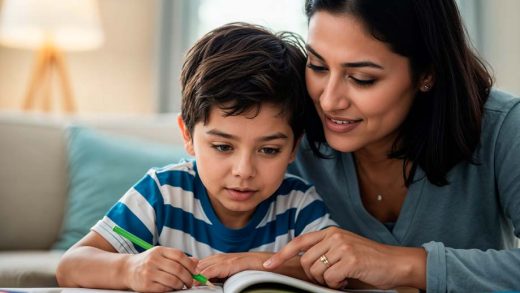
A close friend recently called me a week before her son’s new school term began. Instead of excitement, she was worried. Her six-year-old, usually cheerful and energetic, had suddenly become clingy, quiet, and reluctant to talk about school. Every conversation about uniforms, books, or meeting a new teacher seemed to trigger tears. Initially, she assumed he was simply being difficult. However, after a deeper conversation, she realised he was experiencing genuine anxiety about returning to school.
This situation is more common than many parents realise. While adults often look forward to fresh beginnings, children may see a new academic year as a period of uncertainty. New classrooms, new teachers, new routines, and social expectations can feel overwhelming. For younger children,, in particular, these transitions can trigger feelings of insecurity and worry.
As parents, understanding how to recognise and address these emotions is essential. Emotional well-being is a critical part of school readiness, and helping children navigate their fears can make the transition smoother and more positive. At Kangaroo Kids, emotional development is considered just as important as academic growth because confident, emotionally secure children learn better, participate more actively, and enjoy their educational journey.
Why School Anxiety Is Becoming More Common
Today’s children face a rapidly changing world.
Even at an early age, they may experience pressure related to:
- Academic expectations
- Social interactions
- New environments
- Changing routines
While some nervousness is normal, persistent worry can develop into school anxiety in children if not addressed appropriately.
For many families, the beginning of a new school year brings excitement as well as uncertainty. Understanding these emotions helps parents support healthy adjustment.
Understanding Child Anxiety in School-Age Children
What Is Child Anxiety?
Child anxiety refers to feelings of fear, worry, or nervousness that interfere with a child’s daily activities.
Children may feel anxious about:
- Meeting new teachers
- Making friends
- Being separated from parents
- Performing well in class
These concerns often become more noticeable during school transitions.
Anxiety Is Not Weakness
It is important to remember that anxiety is not a sign of weakness or poor parenting.
Many confident, intelligent, and capable children experience anxiety when faced with unfamiliar situations.
The goal is not to eliminate all worries but to help children manage them effectively.
Recognising Anxiety Symptoms in Children
Emotional Signs
Parents should watch for common anxiety symptoms in children, including:
- Frequent crying
- Irritability
- Excessive worrying
- Mood changes
- Fear of school-related situations
These behaviours may appear gradually or suddenly.
Physical Signs
Children often express anxiety physically.
Possible signs include:
- Stomach aches
- Headaches
- Sleep disturbances
- Loss of appetite
- Fatigue
These symptoms can occur even when no medical issue is present.
Behavioural Changes
Children experiencing anxiety may:
- Avoid discussing school
- Refuse to attend school
- Become unusually clingy
- Withdraw from social activities
Early recognition allows parents to provide timely support.
Why School Readiness Includes Emotional Preparation
School Readiness Is More Than Academics
Many parents associate school readiness with academic skills such as recognising letters, numbers, and shapes.
However, emotional preparedness is equally important.
Children need to develop:
- Confidence
- Self-regulation
- Emotional awareness
- Social skills
These abilities help them navigate classroom experiences successfully.
Emotional Security Supports Learning
When children feel emotionally secure, they are more likely to:
- Participate in activities
- Build friendships
- Ask questions
- Explore new ideas
Strong emotional foundations contribute directly to learning success.
Understanding Stress in Children
Children Experience Stress Too
Adults often assume stress is primarily an adult problem.
However, stress in children is increasingly common.
Potential sources include:
- School transitions
- Social challenges
- Busy schedules
- Family changes
Children may not always have the language to explain these feelings.
How Stress Affects Learning
Ongoing stress in children can affect:
- Attention
- Memory
- Emotional regulation
- Problem-solving abilities
Reducing stress helps children engage more positively with learning experiences.
Helping Children Manage Separation Anxiety
Why Separation Can Feel Difficult
For younger children, separation anxiety is often a natural developmental stage.
Leaving a trusted parent for several hours can feel overwhelming.
This is especially common:
- During preschool entry
- After long vacations
- When changing schools
Strategies That Help
Parents can support smoother transitions by:
- Maintaining calm goodbyes
- Establishing predictable routines
- Offering reassurance
- Avoiding prolonged departures
Consistency builds trust and security.
How Parents Can Reduce Back-to-School Anxiety
Prepare Early
One of the best ways to address back-to-school anxiety is preparation.
Gradually reintroduce:
- School bedtimes
- Morning routines
- Structured activities
before the academic year begins.
Visit the School
When possible, visiting the school beforehand can help children become familiar with:
- Classrooms
- Play areas
- Teachers
- School surroundings
Familiarity often reduces fear.
Creating Open Conversations About Feelings
Listen Without Judgement
Children need opportunities to express their concerns openly.
Avoid dismissing fears with statements such as:
- Don’t worry.
- You’ll be fine.
Instead, try:
- Tell me more about that.
- That sounds difficult.
- How can I help?
Validate Their Emotions
Acknowledging feelings helps children feel understood.
Validation does not reinforce fear. It helps children healthily process emotions.
Building Coping Skills for Children
Teach Emotional Problem-Solving
Strong coping skills for children help them manage challenges independently.
Encourage children to:
- Identify feelings
- Discuss solutions
- Practice calming techniques
These skills support long-term resilience.
Encourage Positive Self-Talk
Children can learn to replace anxious thoughts with supportive ones.
Examples include:
- I can try my best.
- I have handled new situations before.
- I can ask for help if I need it.
Positive self-talk strengthens confidence.
Read More: How Yoga and Breathing Exercises Help Children Manage Big Emotions
The Role of Sleep in Managing Anxiety
Sleep and Emotional Regulation
Sleep plays a significant role in emotional well-being.
Children who are well-rested often manage stress more effectively.
Lack of sleep can intensify:
- Irritability
- Worry
- Emotional sensitivity
Healthy Sleep Supports School Readiness
Consistent sleep routines contribute significantly to school readiness.
A well-rested child is generally better equipped to:
- Focus
- Learn
- Socialise
- Regulate emotions
Why Routines Reduce Stress
Predictability Creates Security
Children thrive when they know what to expect.
Consistent routines help reduce uncertainty and minimise stress in children.
Important routines include:
- Wake-up times
- Meal schedules
- Homework time
- Bedtime routines
Small Habits Make a Big Difference
Simple daily habits can create a sense of stability and confidence.
Predictability helps children feel safe.
Encouraging Resilience Through Everyday Experiences
Let Children Solve Small Problems
Parents naturally want to protect children from discomfort.
However, overcoming manageable challenges helps children build confidence.
These experiences support emotional growth and strengthen problem-solving skills.
Celebrate Effort
Focus praise on:
- Persistence
- Courage
- Effort
- Improvement
This helps children develop a growth-oriented mindset.
Supporting Social Confidence
Friendships Ease School Anxiety
Positive social experiences often reduce anxiety.
Encourage opportunities for:
- Playdates
- Group activities
- Community interactions
Strong friendships provide emotional support.
Teach Social Skills
Children benefit from practising:
- Greeting others
- Sharing
- Taking turns
- Asking for help
These skills improve classroom confidence.
How Kangaroo Kids Supports Emotional Well-Being
At Kangaroo Kids, emotional development is woven into everyday learning experiences.
Children are encouraged to:
- Express emotions safely
- Build meaningful relationships
- Develop confidence
- Strengthen communication skills
Educators recognise that successful learning depends on emotional security as much as academic readiness.
Through child-centred learning, storytelling, collaborative activities, and nurturing classroom environments, children develop the resilience needed to manage challenges and thrive.
Last Thoughts
Every child experiences moments of uncertainty, especially during periods of transition. Whether it is starting preschool, moving to a new classroom, or beginning a new academic year, feelings of nervousness are a natural part of growing up.
However, when parents understand the signs of child anxiety, recognise potential anxiety symptoms in children, and actively support emotional well-being, children become better equipped to navigate these challenges successfully. Strong emotional foundations contribute significantly to school readiness, while reducing stress in children helps create positive learning experiences.
By fostering open communication, healthy routines, emotional awareness, and resilience, parents can help children approach school with confidence, curiosity, and excitement.
For families seeking an environment that nurtures emotional well-being alongside creativity, communication, and academic growth, exploring the Kangaroo Kids approach can offer valuable insights into how storytelling, role-play, collaborative learning, and child-centred experiences transform everyday classroom moments into meaningful opportunities for confidence-building and lifelong learning.