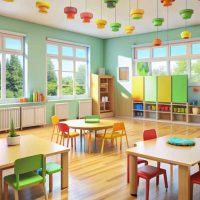
A few years ago, a close friend invited me to visit a preschool she was considering for her daughter. As we walked through the campus, she pointed out something I had not immediately noticed. One classroom was brightly lit with natural sunlight, filled with child-sized furniture, books within easy reach, colourful learning corners, and open spaces for movement. Another school we had visited earlier felt cramped, cluttered, and overly focused on desks and worksheets.
“What surprised me,” she said, “was how differently the children behaved in each place.”
In the first school, children were curious, engaged, and eager to explore. In the second, many appeared distracted and restless. That experience highlighted an important truth that many parents overlook. A child’s surroundings are not merely a backdrop to learning. They actively influence how children think, feel, behave, and learn.
Modern early childhood education recognises that the environment acts as an additional teacher. The spaces children spend time in can encourage curiosity, independence, creativity, collaboration, and concentration. At Kangaroo Kids, this philosophy is reflected in thoughtfully designed classrooms and learning spaces that support every aspect of development. Understanding the connection between environment and learning can help parents make more informed decisions when choosing a preschool.
Why Indian Parents Should Pay Attention to the Learning Environment
When evaluating preschools, many parents focus on curriculum, fees, reputation, and academic outcomes.
While these factors are important, the physical surroundings where children spend several hours each day also deserve careful consideration.
The right learning environment for children can:
- Encourage exploration
- Build independence
- Improve focus
- Foster creativity
- Support emotional well-being
Children learn continuously from the spaces around them.
This is particularly important during the preschool years, when brain development occurs at an extraordinary pace.
Why Environment Matters More Than We Think
Adults often underestimate how strongly physical surroundings affect behaviour.
Consider how different you feel in:
- A crowded room versus an open space
- A noisy environment versus a calm one
- A poorly lit area versus a bright room
Children experience these effects even more intensely.
The learning environment for children influences how safe, confident, and motivated they feel throughout the day.
A well-designed environment creates conditions where learning can flourish naturally.
Understanding the Early Childhood Learning Environment
The term early childhood learning environment refers to everything that surrounds children during their learning experiences.
This includes:
- Classroom design
- Furniture
- Lighting
- Learning materials
- Outdoor spaces
- Noise levels
- Organisation of resources
Every element contributes to children’s experiences.
The most effective environments are intentionally designed to support exploration, discovery, and engagement.
How Learning Through Environment Happens Naturally
Young children learn through observation and interaction.
This concept is often referred to as learning through the environment.
For example:
- A reading corner encourages literacy.
- Building materials encourage problem-solving.
- Nature spaces encourage observation and inquiry.
Children do not need formal lessons for every skill.
Often, the environment itself invites learning.
This is one reason why progressive preschools invest significant effort into designing purposeful learning spaces.
Why the Physical Learning Environment Shapes Behaviour
The physical learning environment influences how children move, interact, and engage.
Consider a classroom where:
- Materials are accessible
- Pathways are open
- Activity zones are clearly defined
Children are more likely to:
- Make independent choices
- Explore confidently
- Stay engaged longer
By contrast, cluttered or restrictive spaces may lead to frustration or disengagement.
The environment sends constant messages about how children are expected to behave and learn.
How Kangaroo Kids Designs Spaces for Exploration
At Kangaroo Kids, classrooms are designed to support active learning.
Children are encouraged to:
- Explore independently
- Access materials easily
- Move freely between activities
- Engage with peers
The environment becomes an active participant in the learning process.
Rather than relying solely on direct instruction, children learn through interaction with thoughtfully designed spaces.
This approach supports curiosity and self-directed learning.
Why a Preschool Environment Should Inspire Curiosity
One of the most important goals of early education is nurturing curiosity.
A strong preschool environment encourages children to ask questions, investigate ideas, and experiment with possibilities.
This may include:
- Discovery corners
- Nature-inspired materials
- Open-ended resources
- Hands-on learning stations
When children feel invited to explore, learning becomes exciting and meaningful.
Curiosity thrives in environments designed for discovery.
The Importance of Child-Sized Spaces
Young children learn best when they feel a sense of ownership over their environment.
Child-sized furniture and accessible resources help children:
- Make choices independently
- Develop responsibility
- Build confidence
Simple adjustments such as lower shelves and clearly organised materials create opportunities for autonomy.
These experiences support both learning and self-esteem.
Read More: All You Need to Know About Early Childhood Physical Development
Why Natural Light Matters
Research consistently suggests that natural light can positively influence mood, attention, and well-being.
Classrooms that maximise daylight often feel:
- More welcoming
- More comfortable
- More engaging
Children spend significant portions of their day indoors.
Access to natural light contributes to a positive learning environment for children and helps create a calm, inviting atmosphere.
How Colour and Design Affect Learning
Colour influences mood and behaviour.
The most effective early childhood spaces typically balance:
- Warmth
- Visual interest
- Simplicity
Overly stimulating environments can overwhelm young learners.
Thoughtful design supports concentration while maintaining engagement.
At Kangaroo Kids, learning spaces are designed to feel vibrant without becoming distracting.
The Role of Flexible Learning Areas
Not all learning happens the same way.
Children may need spaces for:
- Group collaboration
- Quiet reflection
- Creative expression
- Active exploration
Flexible learning environments allow educators to adapt experiences to children’s needs.
This versatility supports different learning styles and developmental stages.
Why Outdoor Spaces Are Essential
Children benefit enormously from access to outdoor environments.
Outdoor learning supports:
- Physical development
- Sensory exploration
- Social interaction
- Inquiry-based learning
A strong preschool environment extends beyond classroom walls.
Outdoor areas provide opportunities for movement, discovery, and connection with nature.
These experiences complement indoor learning and support holistic development.
The Preschool Classroom Environment as the Third Teacher
Many early childhood educators refer to the environment as the “third teacher.”
Parents are the first teachers.
Educators are the second teachers.
The preschool classroom environment becomes the third teacher because it continually influences children’s experiences.
A thoughtfully designed classroom:
- Encourages exploration
- Supports independence
- Promotes collaboration
- Inspires creativity
Children learn from what the environment makes possible.
Why the Organisation Supports Learning
Children feel more secure when environments are predictable and organised.
Clear organisation helps children:
- Find materials independently
- Understand expectations
- Develop responsibility
Order and accessibility contribute significantly to a positive learning environment for children.
When children know where things belong, they can focus more energy on learning and less on navigating confusion.
Supporting Social Development Through the Environment
The physical environment also affects social interactions.
Spaces designed for collaboration encourage:
- Communication
- Cooperation
- Friendship-building
Small group areas, shared workspaces, and interactive learning stations create opportunities for meaningful interaction.
These experiences help children develop essential social skills.
How Sensory Experiences Enhance Learning
Young children learn through their senses.
An effective early childhood learning environment incorporates opportunities for:
- Touch
- Sight
- Sound
- Movement
- Exploration
Sensory experiences help children understand concepts more deeply.
They also support memory, engagement, and emotional regulation.
Why Safety and Comfort Matter
Children learn best when they feel safe.
Physical safety is essential, but emotional comfort is equally important.
A welcoming environment helps children:
- Take risks
- Explore confidently
- Express themselves freely
This sense of security supports both academic and personal growth.
Parents should pay close attention to how a school creates an atmosphere of safety and belonging.
How Learning Through Environment Supports Independence
One of the greatest advantages of thoughtful design is its ability to promote independence.
When children can:
- Access materials
- Make choices
- Solve problems
they become active participants in their own learning.
This is the essence of learning through the environment.
The space itself encourages growth and development.
What Indian Parents Should Look For During a Preschool Visit
When visiting schools, consider asking:
- Are learning materials accessible to children?
- Is the environment inviting and organised?
- Are there spaces for both active and quiet learning?
- Does the classroom encourage exploration?
- Are children engaged with their surroundings?
These observations can reveal a great deal about the school’s educational philosophy.
The physical environment often reflects how learning is viewed and supported.
How Kangaroo Kids Creates Purposeful Learning Spaces
The Kangaroo Kids approach recognises that children learn best in environments designed around their developmental needs.
Learning spaces are created to:
- Encourage curiosity
- Promote independence
- Support collaboration
- Foster creativity
- Enable exploration
Every element is designed with the child in mind.
The goal is to create experiences that inspire learning while supporting holistic development.
Last Thoughts
The spaces children learn in matter far more than many adults realise. Classrooms, outdoor areas, learning materials, and physical surroundings all influence how children think, feel, and engage with the world around them.
A strong learning environment for children supports curiosity, independence, creativity, and confidence. It helps transform everyday experiences into meaningful opportunities for growth. During the preschool years, when development is happening rapidly, the environment becomes a powerful partner in learning.
At Kangaroo Kids, thoughtfully designed spaces are an integral part of the educational experience. Children are encouraged to explore, question, create, and collaborate in environments that support every aspect of their development.
For parents seeking a preschool that understands the powerful connection between surroundings and learning, exploring the Kangaroo Kids approach can provide valuable insight into how carefully designed environments, inquiry-driven experiences, and child-centred learning help children thrive both inside and beyond the classroom.