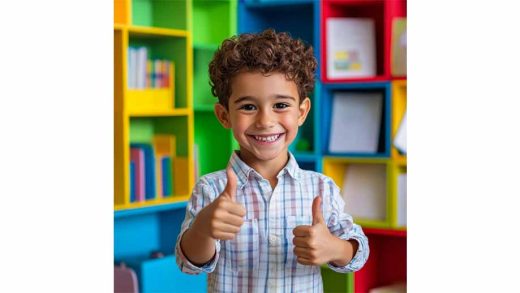
A few weeks before the start of a new school year, I met a parent who was worried about her five-year-old daughter. The child had enjoyed her previous school experience, made friends, and participated enthusiastically in classroom activities. Yet as the new session approached, she became increasingly quiet. She worried about whether her teacher would like her, whether she would make new friends, and whether she would be able to do everything expected of her.
Her mother initially thought these concerns were unusual. However, as we spoke, it became clear that many children experience similar emotions before the beginning of a new academic year. New classrooms, new teachers, new routines, and unfamiliar expectations can feel overwhelming even for confident children.
The good news is that confidence is not something children either possess or lack. It is a skill that develops gradually through encouragement, positive experiences, and supportive relationships. Building confidence before school begins can help children approach new experiences with curiosity instead of fear.
At Kangaroo Kids, preparing children for school involves far more than academic readiness. Emotional security, independence, social skills, and self-belief are all essential components of successful school readiness. When children believe in their ability to learn, adapt, and overcome challenges, they begin the school year with a stronger foundation for growth.
Why Confidence Matters Before a New School Session
The start of a new school year often brings excitement and uncertainty.
Children may wonder:
- Will I make friends?
- Will my teacher be kind?
- What if I make mistakes?
- What if I cannot do something?
These concerns are completely normal.
Confidence helps children navigate these uncertainties and engage more positively with new experiences.
Strong school readiness is not simply about recognising letters or numbers. It also includes emotional preparedness and the willingness to try new things.
Understanding Confidence in Early Childhood
Confidence Is Built Through Experience
Children develop confidence when they experience success, overcome challenges, and receive encouragement.
Confidence grows when children:
- Solve problems independently
- Complete tasks
- Express themselves
- Feel valued
These experiences contribute to healthy early childhood learning and emotional development.
Confidence Is Different From Perfection
Many parents unintentionally associate confidence with achievement.
In reality, confident children are not those who never struggle.
They are children who believe they can keep trying even when something feels difficult.
Why School Readiness Begins at Home
Parents Play a Critical Role
One of the most important factors influencing school readiness is the home environment.
Children gain confidence when parents:
- Encourage independence
- Offer reassurance
- Celebrate effort
- Listen attentively
Small daily interactions help shape children’s beliefs about themselves.
Build Familiarity Before School Starts
Talk positively about:
- Teachers
- Classrooms
- Activities
- New experiences
Familiarity often reduces anxiety and increases confidence.
Helping Children Develop Independence
Independence Builds Self-Belief
Children feel more confident when they can manage age-appropriate tasks independently.
Encourage your child to:
- Dress themselves
- Organise belongings
- Pack their school bag
- Put away toys
These experiences contribute significantly to school readiness.
Avoid Doing Everything for Your Child
Parents naturally want to help.
However, excessive assistance can unintentionally send the message that children cannot manage on their own.
Providing opportunities for independence helps children build competence and confidence.
Encouraging Positive Self-Talk
The Voice Children Hear Most
Children often internalise messages they hear repeatedly.
Help them develop positive self-talk by using phrases such as:
- You can try again.
- Mistakes help us learn.
- I believe in you.
- You are improving every day.
These messages foster resilience and self-confidence.
Replace Fear With Curiosity
Instead of asking:
“What if something goes wrong?”
Encourage children to think:
“What might I discover today?”
This shift in mindset can significantly influence how children approach new situations.
Why Resilience in Children Matters
Confidence and Resilience Work Together
True confidence is closely linked to resilience in children.
Resilience helps children:
- Handle setbacks
- Manage disappointment
- Adapt to change
- Recover from challenges
These skills become particularly important during transitions such as the beginning of a new school year.
Allow Children to Experience Small Challenges
Parents sometimes try to remove every obstacle from a child’s path.
However, overcoming manageable challenges helps build resilience in children and strengthens confidence.
Creating Predictable Routines Before School Starts
Routines Reduce Anxiety
Children feel more secure when daily life is predictable.
Begin reintroducing:
- Regular bedtimes
- Morning routines
- Meal schedules
before school starts.
These routines support smoother transitions.
Practice School-Day Habits
Simple activities such as:
- Waking up on time
- Wearing school clothes
- Packing a bag
can help children feel prepared.
Strong routines contribute to successful school readiness.
The Connection Between Sleep and Confidence
Well-Rested Children Feel More Secure
Many parents underestimate the connection between sleep and emotional well-being.
Research continues to highlight how sleep affects learning and emotional regulation.
Children who sleep well are often:
- More patient
- More adaptable
- Better able to manage emotions
The Importance of Sleep in Child Development
The importance of sleep in child development extends beyond physical growth.
Sleep supports:
- Memory
- Emotional balance
- Attention
- Learning
A rested child is better prepared to face new experiences with confidence.
Supporting Social Confidence Before School Begins
Friendships Matter
Many children worry about making friends.
Parents can help by:
- Organising playdates
- Encouraging social interaction
- Practising conversation skills
Positive social experiences support confidence.
Teach Basic Social Skills
Simple skills such as:
- Greeting others
- Sharing
- Taking turns
- Asking for help
can make children feel more comfortable in group settings.
Focus on Effort Rather Than Outcomes
Praise the Process
Children benefit most when praise focuses on effort.
Examples include:
- You worked really hard.
- I noticed how patiently you kept trying.
- You were very thoughtful.
This approach promotes growth and confidence.
Avoid Overemphasising Performance
When children believe they must always succeed, fear of failure can increase.
Encouraging effort supports both confidence and resilience in children.
Helping Children Manage Mistakes
Mistakes Are Part of Learning
Children often worry about getting things wrong.
Help them understand that mistakes:
- Are normal
- Help us learn
- Lead to improvement
This mindset supports healthy early childhood learning.
Share Your Own Experiences
Parents can model resilience by discussing times when they faced challenges and learned from them.
Children learn powerful lessons from these examples.
Encouraging Curiosity and Exploration
Confidence Grows Through Discovery
Children become more confident when they are encouraged to:
- Ask questions
- Explore ideas
- Experiment
- Solve problems
Curiosity helps children approach learning with enthusiasm.
Create Opportunities for Success
Simple activities that allow children to complete tasks independently help build self-confidence.
Success does not need to be dramatic to be meaningful.
Building Confidence Through Play
Play Is Serious Learning
Play provides opportunities for:
- Problem-solving
- Creativity
- Collaboration
- Communication
These experiences contribute to both confidence and competence.
Support Child-Led Activities
Allow children to make choices during play.
Decision-making opportunities help strengthen independence and self-belief.
How Preschool Child Development Benefits From Confidence
Confidence Supports Learning
Successful preschool child development depends on more than academic skills.
Confident children are more likely to:
- Participate
- Ask questions
- Try new activities
- Persist through challenges
These behaviours contribute to long-term learning success.
Emotional Security Creates Strong Foundations
Children learn best when they feel:
- Safe
- Supported
- Valued
Confidence grows within these positive environments.
How Kangaroo Kids Supports School Readiness and Confidence
At Kangaroo Kids, confidence-building is integrated into everyday learning experiences.
Children are encouraged to:
- Explore independently
- Ask questions
- Collaborate with peers
- Express ideas creatively
Educators understand that school readiness includes emotional preparedness, curiosity, resilience, communication skills, and self-belief.
Through inquiry-based learning, storytelling, play, and meaningful relationships, children develop the confidence needed to embrace new opportunities and challenges.
Last Thoughts
The weeks before a new school session provide a valuable opportunity to help children build confidence and prepare emotionally for the year ahead. While parents often focus on academic preparation, true school readiness involves much more.
Confidence, independence, social skills, emotional security, and resilience in children all play essential roles in helping children thrive. By encouraging effort, supporting independence, maintaining healthy routines, and creating positive expectations about school, parents can help children approach the new year with excitement rather than anxiety.
When children believe in themselves, they become more willing to explore, learn, connect, and grow.
For families seeking an educational environment that nurtures confidence, curiosity, creativity, and lifelong learning, exploring the Kangaroo Kids approach can provide valuable insight into how child-centred learning, storytelling, inquiry, and play-based experiences help children build strong foundations for success both inside and outside the classroom.