Last Sunday my daughter was outside with her cousin. Both of them were covered in mud. Pants wet. Hair sticky. My first thought? “Bath time will be a nightmare.” My second thought? “They are learning more here than in any worksheet.”
Messy play looks like chaos. Parents sigh. Teachers sometimes cringe. But kids love it. And hidden in that mess are lessons that shape them for real life.
Why messy play matters
The benefits of messy play go far beyond fun. When a child squeezes slime or pours sand, the brain lights up. Every sense is awake. Smell, sight, touch, even sound. That is serious brain activity for kids happening quietly while we only see dirty hands.
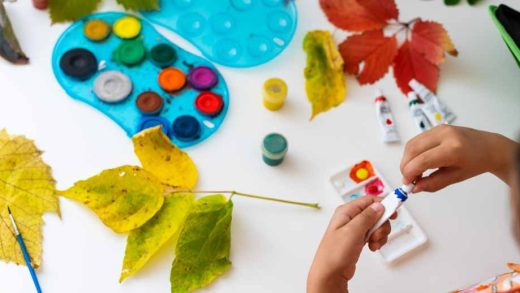
Think of painting with fingers. The child is pressing, pulling, smudging. The hand muscles are working. The mind is making sense of patterns. Cause and effect are getting tested. This is why sensory play for preschoolers is so powerful. They learn things no toy instruction sheet can teach.
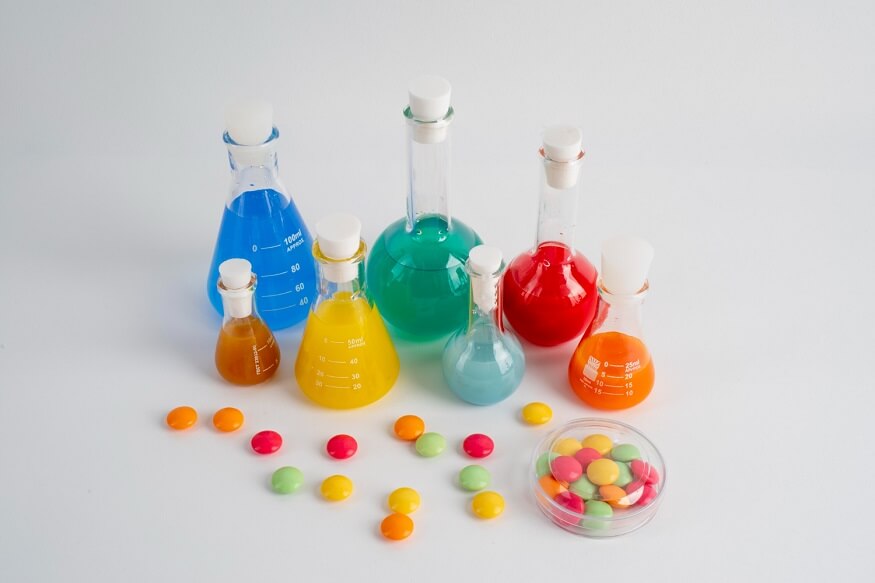
I still remember one monsoon day. My daughter mixed mud with leaves and called it “soup.” She even asked me to “taste” it. I refused of course, but in her world, she had cooked, served, and tested an experiment. For her, that puddle was a lab.
What research says
Studies say children who explore through touch, smell, and sound often focus better later. Makes sense, right? When you give them chances to try sensory play activities for preschoolers, they’re not just busy—they’re wiring their brains for learning.
Motor skills also grow. Pinching dough, pouring dal, cutting soft clay—these tiny actions later help with holding a pencil, tying laces, or using scissors. That’s the hidden benefit of messy play for preschoolers.
Language improves too. A child dips hand in something slimy. She runs to you: “It’s like jelly!” Another says, “This feels cold like ice.” Each word builds memory. Vocabulary grows without flashcards.
What parents can actually try
You don’t need to buy fancy kits. Your kitchen and home are enough.
- Give atta and water. Let them knead dough.
- Keep a bowl of rajma beans and another of rice. Watch them pour.
- Use sieves and spoons. Simple science.
- Try finger painting with haldi, coffee, beetroot juice.
I once let my daughter crush tea leaves. She sniffed, sprinkled in water, and told me, “It smells like rain.” That sentence alone was worth the clean-up.
From preschool to middle school
Some parents stop messy play after kindergarten. Big mistake. Older kids need it too, only in new ways.
For example, let middle schoolers try cooking experiments. Tell them: “Make lemonade without asking me how.” They’ll pour too much sugar, spill water, laugh, and finally adjust. That’s practice in problem-solving. Those small accidents are the base of brain games for middle schoolers.
DIY science kits, clay models, even group art projects—all are extensions of messy play. They are still messy. They still build confidence. The early benefits of messy play in early childhood continue to show up here.
Social and emotional skills
Here’s a secret. Messy play is not only about brain or hand skills. It’s also about heart.
Picture three kids sharing one bowl of slime. At first, there’s yelling. Then slowly they learn: wait, take turns, share. That’s emotional training.
I once saw a group of children make a sand castle. It fell. A few cried. But then they came back, rebuilt, and made stronger walls. That is resilience. The kind we adults want in them when life gets tough later.
The Aha moments
Parents worry about cleaning. Totally fair. But here’s what usually happens. You shout about spilled paint, then the child looks at you and says something that melts your anger. My daughter once spilled colours on the table. I scolded. She replied, “But Appa, now the table has rainbow clothes.” I just laughed.
These are the moments. Children teach us to see beauty where we see problems. That’s the deeper benefit of messy play—it changes how even parents look at life.
How to manage the mess without losing patience
- Choose a spot. Balcony, garden, bathroom floor—places easier to clean.
- Keep old clothes handy. Don’t waste energy protecting new ones.
- Join them. Put your hand in paint. Try the slime yourself. Bonding doubles.
- Don’t stop too early. Give them time before the clean-up.
When you see the mess as part of learning, stress reduces.
Real-life preparation
Think of messy play as a rehearsal. Kids learn problem-solving, teamwork, resilience, and curiosity. All while they think they’re “just playing.”
Later in life, when they face bigger challenges—school exams, group projects, jobs—they already know: mistakes happen, you try again, you find another way.
That’s why the benefits of messy play for preschoolers last long after preschool. It’s not only about art and craft. It’s about mindset.
Parents in India and messy play
In many Indian homes, parents hesitate. Mess means extra work. Grandparents sometimes say, “Why waste atta like this?” But slowly, the view is changing. Schools and preschools are also bringing structured messy play sessions. And parents see the results—kids become more confident, more curious, and even calmer after play.
The truth is, children learn best when they don’t even realise, they are learning. And messy play gives exactly that.
Final word
Benefits of messy play in early childhood cannot be taken for granted. Messy play is not a waste of time. It’s the foundation of skills we hope our children will carry forever. Creativity, focus, resilience, confidence. All built quietly while they laugh with muddy hands or sticky fingers.
So next time your child messes up the living room with flour or sand, pause before shouting. Look closely. That spark in their eyes is learning in action. The floor can be mopped. Clothes can be washed. The memory and the lesson stay forever.
At Kangaroo Kids International Preschool, messy play is not “extra.” It’s a key part of everyday learning. From safe sensory play activities for preschoolers to guided group projects, children get freedom to explore and learn in their own way. If you want your child to grow curious, confident, and creative, Kangaroo Kids is ready to be your partner.