In today’s competitive world, many Indian parents feel pressure to ensure their children “get ahead” early. Preschool admissions and social conversations often revolve around one question: Can your child read yet?.
While early exposure to books is valuable, an overemphasis on early reading can overshadow a far more critical factor: confidence. A child who believes in themselves is far more likely to succeed than a child who can decode words early but lacks self-awareness.
In early childhood, childhood confidence forms the foundation for academic success. We will explore why confidence matters more than early reading and explain why self-confidence is important for lifelong learning.
The Growing Pressure for Early Reading in India
Across urban India, early education has become highly competitive. Many parents introduce phonics as early as age 2. While well-meaning, this pressure can create anxiety and undermine a child’s natural curiosity. In contrast, children who develop strong confidence are better equipped to handle academic challenges later.
Understanding Childhood Confidence
Childhood confidence is a child’s belief in their own abilities. It shows up when a child:
- Tries something new without fear
- Speaks up to express ideas
- Handles mistakes without shutting down
Confidence does not mean being the loudest child. This inner assurance supports long-term learning and emotional well-being.
Why Self-Confidence Is Important in Early Childhood

Confidence Shapes a Child’s Relationship with Learning
Children with strong childhood confidence approach learning as an adventure. They are more likely to ask questions and persist through difficulties. This attitude is far more valuable than early reading ability. This is one of the key reasons why self-confidence is important: it sets the tone for how a child approaches learning.
Confidence Supports Emotional Health
In Indian families, confidence acts as emotional protection. A confident child is better able to handle comparison with peers and cope with setbacks. Without confidence, early academic pressure can lead to stress.
Early Reading Without Confidence: A Fragile Advantage
While some children may learn to read early, this advantage can be fragile if built on pressure. Children pushed too early may read mechanically without understanding. In contrast, developing a strong child’s confidence may lead to late reading but results in better comprehension and independent learning.
The Indian Context: Comparison and Expectations
In Indian society, comparisons often begin early. Questions like “What can your child do?” are common. In such an environment, understanding why self-confidence is important becomes critical. Confidence helps children develop a strong sense of self and grow at their own pace.
Language, Culture, and Confidence
India’s multilingual environment adds another layer. If confidence is lacking, children may hesitate to speak or fear mispronunciation. Strong childhood confidence encourages children to communicate freely, a skill far more valuable than early reading alone.
What Builds Confidence in Young Children?
- Emotional Safety: Children need to feel accepted. When mistakes are treated as learning opportunities, confidence grows.
- Encouragement Over Correction: Gentle guidance helps children feel capable.
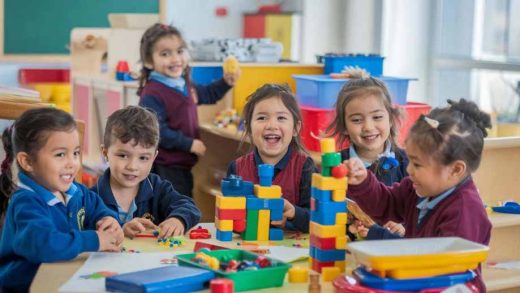
- Play-Based Learning: Play allows children to problem-solve without fear of failure, making it effective for building childhood confidence.
Confidence and School Readiness
True school readiness is not about reading words. It is about whether the child can follow routines, communicate needs, and try new activities. All these skills are rooted in confidence.
The Role of Parents in Building Confidence
- Avoid Comparing Milestones: Comparing skills can harm a child’s confidence.
- Celebrate Effort: Praise attempts and curiosity rather than just correct answers.
- Model Confidence: When parents show confidence and handle mistakes calmly, children follow suit.
Raising Confident Learners, Not Just Early Readers
In early childhood education, confidence is the true cornerstone. While early reading is impressive, it is childhood confidence that sustains learning and nurtures curiosity.
By prioritising a child’s confidence over early academic milestones, we give children something far more valuable: the belief that they are capable learners for life. At Kangaroo Kids, we focus on building self-belief alongside literacy skills.