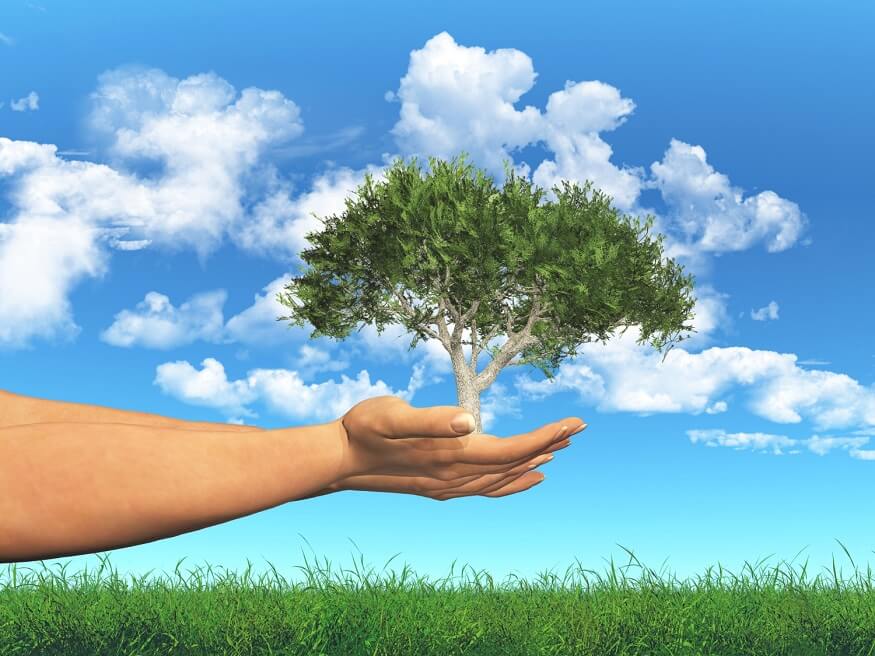
While doing laundry one evening, I overheard my daughter question, “Why do clouds move but not trees?”
It took me off guard. But that one inquiry sparked a lengthy, rambling discussion on the sky, wind, trees, and what moves and why.
That’s learning.
Not in the classroom. Not from a screen.
But from something far simpler: curiosity.
As parents, we frequently wonder how to meaningfully involve our children at home. And the answer is often around us—literally. The nature of learning is deeply tied to the world children live in. Their questions, their play, their little experiments with crayons and cushions—these are all part of the nature of the learning process.
What Exactly Is the Nature of Learning?
Look at it this way: teaching a child is more than merely imparting knowledge. It’s about assisting children in connecting what they already know, see, and feel.
Children begin learning continuously from the moment they are born. When they shake a rattle and smile at the sound—that’s learning. When they stack two blocks and laugh as they tumble—that’s learning too.
In psychology, the nature of learning is described as a process of change. A child sees something, tries it, and remembers the result. That’s how habits form. That’s how understanding builds.
The World Around Them Is Their First Teacher
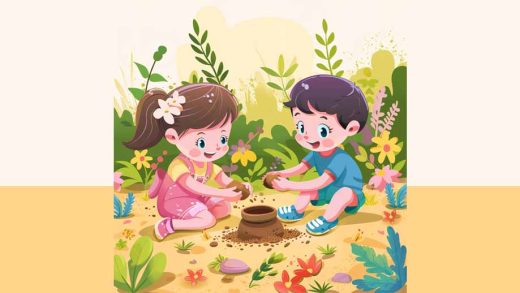
You don’t need flashcards or apps to get your child thinking. A window, a spoon, a walk in the building garden—anything can become a learning moment.
Here’s a small example. If your child sees a line of ants carrying crumbs, ask, “Where do you think they’re going?”
That one question opens up discussions about teamwork, direction, strength, and even food habits.
This is the nature of learning in psychology—it’s social, emotional, and interactive. Children don’t just pick up knowledge. They build it by noticing, doing, asking, failing, trying again.
How to Engage Kids at Home Without Overwhelming Yourself
A lot of parents feel pressure to “teach” at home. But often, the best way to engage kids is by letting them take the lead.
Here are a few small but powerful ways:
Allow questions: Your child is thinking when they ask. “Let’s find out together,” even if you don’t know.
Allow them to mix the atta, peel a banana, and pour their own water instead of rushing through everyday chores. These exercises improve confidence, patience, and coordination.
Utilise the resources that are already available to you: shadow play, water pouring, leaf patterns, and stone sorting—your house is a wealth of educational resources.
Give them some time; sometimes children simply need to pass the time. That’s when imagination kicks in.
When we understand the nature of learning process, we realise that kids don’t need to be taught every minute. They just need the space to discover.
Learning Happens Best When It Feels Safe
You might’ve noticed—children learn better when they’re relaxed and happy. That’s no coincidence.
The emotional environment has a major impact. When children feel comfortable making mistakes, they try new things. When they know you won’t punish them for spilling, they’re more willing to try new things.
So, the next time your youngster spills water when pouring, resist the desire to say, “Be careful!” Instead, say something like, “Oops! Shall we clean this up and try again?”
This small shift makes a big difference. You’re reinforcing that learning is about trying, not getting it perfect.
The Role of Relationships in Learning
The nature of learning in psychology shows that learning isn’t just about books. It’s about relationships.
Children can’t learn well until they’re relaxed. Your communication style, reaction to setbacks, and stories and jokes can all teach them a thing or two. So, your youngster can learn more in five minutes of fun play or chat with you than in an hour of screen time.
Look for These Little Signs of Learning
Not sure if your child is learning? Forget scores and charts. Look for these:
They ask “Why?” a lot.
They tell stories or make connections between things.
They enjoy repeating an activity (even if it’s messy).
They explore their surroundings with interest.
They try things even if they fail the first time.
These aren’t random acts. They’re signs of a child actively learning in a natural way.
Trust Their Process. And Yours.
Every child learns differently. Some love to talk. Some prefer to listen. Some jump right in, others watch first.
You don’t need to turn your home into a classroom. You just need to be present. Ask. Listen. Share. Wonder.
Remember that learning isn’t one-size-fits-all. What’s important is that your child feels comfortable exploring, making errors, and asking questions.
What about you? Whether you realise it or not, you are making a real difference. Cooking together, telling stories, going for walks in the park, and talking before bed are all great ways to involve children at home. In reality, those are the lecture halls.
Kangaroo Kids International Preschool provides a safe, happy environment where children learn in the natural way—through play, exploration, and mild supervision—if you are seeking a preschool that shares this view of curiosity-led learning.