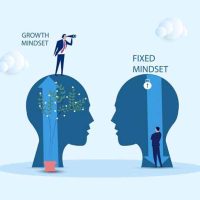
In many Indian households, the image of a father has traditionally been that of the provider. He is the one who works long hours, ensures financial stability, and disciplines when needed. But modern parenting is redefining this role. Today, the role of the father in child development goes far beyond earning a paycheck or playing weekend cricket.
Fathers are caregivers, teachers, emotional anchors, and powerful role models. Research increasingly shows that when fathers actively engage in early learning, children thrive cognitively, emotionally, and socially. In India’s evolving social landscape, where dual-income families are rising and parenting roles are shifting, understanding the role of the father in child development is not just relevant; it is essential.
Why Fathers Matter in the Early Years
The early years (0–6 years) are foundational for brain development. Neural connections responsible for language, emotional regulation, and social behaviour are formed during this time. Children whose fathers are actively involved in caregiving show better academic performance and stronger emotional resilience.
According to an article in The Times of India, “when fathers are actively engaged, emotionally available, and supportive, children experience greater psychological well-being and exhibit more positive behaviours.” Fathers contribute uniquely to risk-taking confidence, problem-solving skills, and independence.
Redefining the Role of Fathers in India
In traditional Indian families, caregiving responsibilities have largely fallen on mothers and grandparents. However, urbanisation, nuclear family structures, and changing gender roles are reshaping expectations. An article in The Hindu discusses how Indian fathers are increasingly embracing hands-on parenting, participating in feeding, bedtime routines, and school engagement.
This cultural shift strengthens the role of the father in child development by allowing dads to engage beyond discipline and recreation.
The Unique Contribution of Fathers
While both parents nurture and teach, fathers often interact differently with children. Studies suggest fathers are more likely to:
- Encourage exploration and calculated risk-taking
- Use varied vocabulary during conversations
- Engage in problem-solving play
- Model emotional regulation differently
These differences add diversity to a child’s learning environment. The role of the father in child development includes helping children manage challenges and develop resilience, skills that are critical in India’s competitive academic and social environment.
Beyond Playing: Fathers as Caregivers and Teachers
Many fathers enjoy playful interactions, such as tossing a ball, telling jokes, or roughhousing. While play is valuable, involvement must extend further. Encouraging dads to move beyond “playing” to caregiving and teaching can transform early development.
1. Participate in Daily Care
Simple tasks such as:
- Bathing
- Feeding
- Dressing
- Helping with homework
- Attending parent-teacher meetings
These everyday responsibilities reinforce the role of the father in child development as consistent and dependable.
2. Engage in Teaching Moments
Learning opportunities exist in daily routines:
- Explaining how bills are paid
- Counting vegetables while shopping
- Discussing current events at dinner
- Teaching basic repairs or problem-solving
Such interactions promote curiosity, numeracy, and practical knowledge.
Father-Child Bonding Activities That Support Learning
Engagement doesn’t need to be complex. Simple father-child bonding activities can nurture growth and connection.
Reading Together
Reading bedtime stories builds vocabulary and emotional intelligence.
Cooking Together
Measuring ingredients introduces maths concepts.
Outdoor Exploration
Nature walks spark curiosity about science.
Creative Projects
Building models or drawing enhances imagination.
Each of these strengthens the role of the father in child development by combining bonding with education.
Active Fathering Tips for Indian Dads
Here are practical Active fathering tips to deepen involvement:
1. Schedule One-on-One Time
Even 20 minutes daily can build strong connections.
2. Share Household Responsibilities
Children learn equality by observing shared roles.
3. Listen Actively
Give your child your full attention when they speak.
4. Model Emotional Expression
Show that men can express vulnerability and empathy.
5. Attend School Events
Visibility in school life reinforces engagement.
These steps reinforce the role of the father in child development as integral rather than occasional.
Impact on Emotional Development
Children who share strong relationships with fathers often display:
- Higher self-esteem
- Better peer relationships
- Lower anxiety levels
- Greater independence
Breaking Gender Stereotypes
When fathers actively participate in caregiving, children internalise progressive gender norms. Sons learn that nurturing is not limited to mothers. Daughters learn to expect shared responsibility and respect. Thus, the role of the father in child development extends beyond individual growth to shaping societal values.
Fathers and Early Literacy
Research shows that fathers often use a wider range of vocabulary and different storytelling styles. When fathers read or narrate stories:
- Children encounter varied language patterns
- Comprehension skills improve
- Listening skills strengthen
Regular reading sessions reinforce the role of the father in language acquisition during child development.
Supporting Working Fathers
Many Indian fathers face long commutes and demanding jobs. However, quality matters more than quantity. Suggestions include:
- Voice messages during breaks
- Video calls before bedtime
- Weekend learning projects
- Participating in meal preparation
Even small gestures maintain connection and consistency.
The Psychological Benefits for Fathers
Active parenting benefits fathers, too:
- Reduced stress
- Stronger family bonds
- Increased life satisfaction
- Deeper emotional intelligence
Fathers who embrace caregiving often report feeling more fulfilled.
Challenges Fathers May Face
Some barriers include:
- Workplace expectations
- Cultural stereotypes
- Lack of role models
- Self-doubt about caregiving abilities
Recognising these challenges helps address them constructively.
Role of Schools and Society
Schools can encourage father participation by:
- Scheduling flexible parent meetings
- Hosting father-focused events
- Highlighting male role models in caregiving
Societal narratives must continue evolving to celebrate engaged fathers. The role of the father in child development strengthens when institutions actively support involvement.
Long-Term Outcomes of Father Involvement
Children with engaged fathers often demonstrate:
- Higher academic achievement
- Better emotional regulation
- Stronger leadership skills
- Greater confidence
In India’s fast-changing social landscape, these qualities are invaluable. The role of the father in child development has long-term ripple effects across education, career, and relationships.
Encouraging a Cultural Shift
India is witnessing gradual but meaningful change. Campaigns celebrating “hands-on dads” and shared parenting reflect this progress. When fathers embrace caregiving and teaching roles, children benefit immensely, and families become stronger. The importance of dad is not symbolic; it is practical and developmental.
Final Thoughts: Fathers as First Teachers
The role of the father in child development is not limited to financial security or occasional recreation. Fathers are powerful influences in shaping intellect, values, resilience, and emotional strength. By stepping into caregiving and teaching roles, not just playmates but mentors, fathers become foundational pillars in early learning.
In Indian homes, where traditions are strong and transformation is ongoing, fathers have a unique opportunity:
- To nurture curiosity.
- To model empathy.
- To teach life skills.
- To build secure attachments.
When dads move beyond “playing” to active caregiving and teaching, they don’t just support development, they shape the future.
To discover how Kangaroo Kids partners with parents to support early learning, explore our curriculum.