Before a child ever steps into a classroom, learning has already begun. From the first smile to the first word, every interaction shapes how a child understands the world. This is why the role of parents in early childhood education is not merely important; it is foundational. In Indian culture, the idea that parents are a child’s first gurus has long been recognised.
Today, modern research supports this age-old wisdom. Across the world, it is widely accepted that early experiences at home influence a child’s cognitive, emotional, and social development. This article explores how parents naturally become educators in everyday life and how simple interactions can create powerful learning opportunities.
Understanding Early Learning at Home
Parent as First Teacher
The concept of parent as first teacher is rooted in the idea that children learn by observing and interacting with their caregivers.
From infancy, children:
- Observe facial expressions
- Listen to language and tone
- Imitate actions and behaviours
These early experiences form the building blocks of learning. The role of parents in early childhood education begins long before formal schooling and continues to influence a child’s development throughout life.
Learning Happens in Everyday Moments
Parents often underestimate how much children learn through daily routines.
Simple activities like:
- Talking during meals
- Playing together
- Reading bedtime stories
- These are powerful teaching moments.
These interactions create a natural home learning environment where children feel safe exploring and growing.
The Science Behind Early Learning
Brain Development in Early Years
The early years are a period of rapid brain development. Neural connections are formed through repeated experiences and interactions.
When parents engage with their children:
- Language skills improve
- Memory strengthens
- Emotional bonds deepen
This highlights the critical role of parents in early childhood education in shaping brain development.
Emotional Security and Learning
Children learn best when they feel secure and supported.
A nurturing home environment helps children:
- Build confidence
- Take risks in learning
- Develop resilience
This emotional foundation is essential for long-term success.
The Indian Context: Tradition Meets Modern Understanding
Cultural Foundations of Parenting
In India, parenting has always emphasised values, respect, and guidance.
Practices such as:
- Storytelling from epics
- Teaching through daily rituals
- Involving children in family activities
- …naturally support learning.
These traditions reinforce the role of parents in early childhood education, blending cultural wisdom with modern insights.
Joint Families and Shared Learning
In many Indian households, extended family members contribute to a child’s development.
Grandparents, siblings, and relatives all play a role in:
- Sharing knowledge
- Teaching social skills
- Passing down traditions
This collective approach enhances family engagement in learning.
Creating a Positive Home Learning Environment
What Is a Home Learning Environment?
A home learning environment is not about having expensive resources or structured lessons. It is about creating a space where learning happens naturally.
Key elements include:
- Open communication
- Access to books and materials
- Opportunities for play and exploration
The role of parents in early childhood education includes shaping the environment to encourage curiosity.
Simple Ways to Build a Learning Space
Parents can create a supportive environment by:
- Keeping books within reach
- Encouraging questions
- Providing time for play
These small steps make a big difference in a child’s development.
Everyday Activities That Teach
Learning Through Play
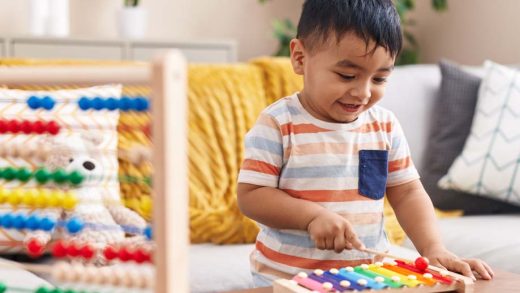
Play is one of the most effective ways children learn.
Through play, children:
- Develop problem-solving skills
- Explore creativity
- Learn social interaction
Parents who actively participate in play strengthen their role in early childhood education.
Conversations That Build Language
Talking to children regularly helps develop language and communication skills.
Simple actions like:
- Describing daily activities
- Asking open-ended questions
- Encouraging storytelling
- …can create meaningful learning experiences.
Learning Through Routine
Daily routines provide structure and opportunities for learning.
For example:
- Counting objects while setting the table
- Naming colours during dressing
- Discussing events of the day
These activities reinforce the concept of the parent as the first teacher.
The Importance of Family Engagement in Learning
What Is Family Engagement?
Family engagement in learning refers to the active involvement of parents and family members in a child’s education.
This includes:
- Participating in school activities
- Supporting learning at home
- Communicating with teachers
Benefits of Family Engagement
Children benefit greatly when families are involved in their learning.
They tend to:
- Perform better academically
- Show higher confidence
- Develop positive attitudes toward learning
The role of parents in early childhood education becomes even more impactful when combined with active engagement.
Encouraging Curiosity and Independence
Let Children Explore
Children are naturally curious. Encouraging exploration helps them:
- Ask questions
- Discover new ideas
- Build confidence
Parents should allow children to:
- Make choices
- Try new activities
- Learn from mistakes
Supporting Without Controlling
While guidance is important, over-involvement can limit independence.
The goal is to:
- Support learning
- Provide encouragement
- Allow freedom to explore
This balanced approach strengthens the role of parents in early childhood education.
Overcoming Common Challenges
Lack of Time
Many parents feel they do not have enough time to engage in learning activities. However, learning does not require extra time; it can be integrated into daily routines.
Pressure to Perform
Parents may feel pressure to ensure their child excels academically. It is important to remember that early learning is about development, not performance.
Comparing Children
Every child develops at their own pace. Avoid comparisons and focus on individual progress. Understanding these challenges helps parents embrace their role more confidently.
Long-Term Impact of Parental Involvement
Building Strong Foundations
Children who receive strong support at home are more likely to:
- Succeed academically
- Develop social skills
- Build emotional resilience
The role of parents in early childhood education lays the groundwork for lifelong learning.
Creating Lifelong Learners
When children experience positive learning at home, they develop a love for learning. This curiosity stays with them throughout life.
Practical Tips for Parents
Simple Strategies to Follow
- Spend quality time with your child daily
- Encourage questions and discussions
- Read together regularly
- Participate in play activities
- Celebrate effort, not just results
These practices strengthen the role of parents in early childhood education.
The Global Perspective
Universal Importance of Parental Involvement
Across cultures and countries, the importance of parental involvement in early education is widely recognised. While methods may vary, the principle remains the same: children learn best when supported by their families.
Embracing Your Role as a Teacher
Parents are not just caregivers: they are educators, role models, and guides. The lessons children learn at home shape their understanding of the world and influence their future. Recognising the role of parents in early childhood education empowers families to make the most of everyday moments.
Whether it is through conversation, play, or routine activities, every interaction becomes an opportunity to teach and learn. In Indian homes and across the globe, one truth remains constant: the journey of learning begins at home. When parents embrace their role as teachers, they give their children the greatest gift: a strong foundation for life. Discover how we partner with parents for successful early learning at Kangaroo Kids.