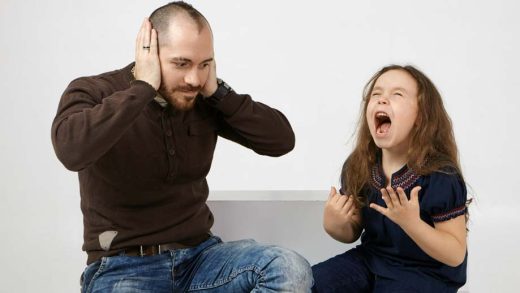
In India, the first few days of school can feel like a heartbreak challenge, not just for toddlers, but for their parents and grandparents too. We often refer to this period as the “Settling Phase”, especially when little ones start preschool. During this time, separation anxiety in toddlers can surface most strongly at drop-off. Far from being a sign of weakness, this anxious behaviour is a normal developmental phase, and one that parents can gently help children navigate with confidence and support. In this comprehensive article, we will explore why separation anxiety arises, how to approach it in the Indian context, and we will also give you practical, research-based ways to help your child settle into school life, including preschool drop-off tips, managing emotions, and creating supportive goodbye rituals for kids.
What Is Separation Anxiety in Toddlers?
Separation anxiety in toddlers refers to intense distress when a child is away from parents or primary caregivers, especially during the transition to a new environment like preschool or daycare. Often beginning in infancy and peaking around preschool age, this anxiety reflects a child’s growing awareness of self and attachment to loved ones. It’s the brain’s usual way of signalling, “I want safety and familiarity.”. In many Indian households with protective parents and grandparents, it’s easy to misinterpret these reactions as stubbornness or refusal to leave the parent’s side. However, children respond naturally to change and the best approach is not avoidance but guided reassurance.
The Indian “Settling Phase”: Why It’s Unique
In India, the family structures often include multiple caregivers; grandparents, parents, and nannies, who are deeply involved in daily routines. While this extended care provides strong support, it can also make separations more emotionally challenging. Many well-meaning adults want to delay goodbyes or extend drop-off time to comfort the child, not realising that this can inadvertently prolong distress and strengthen separation anxiety. Experts note in this Indian Express article that short, confident separations generally lead to smoother transitions than prolonged farewells. “While parting ways with little ones during the day, parents often spend too much time sending them off… the transition time gets too long. This may drive the kids to become cranky and anxious,” which is why brief, reassuring goodbyes are typically more effective.
Why Brief, Confident Goodbyes Matter
One of the most common mistakes parents make at drop-off is lingering. Standing at the classroom gate or continuing to wave for too long can signal to a child that leaving is a big deal, intensifying separation anxiety and making school seem scarier than it is. By contrast, short but meaningful goodbye rituals for kids, such as a special hug, a secret handshake, or a playful phrase, help make transitions predictable and reassuring. These routines tell a child: “This is how we part. Love stays, and I will return.”. Research suggests consistency in routines like these reduces worry and helps build trust in both the school and caregivers.
Recognising the Signs of Separation Anxiety
Before we go further, it helps to recognise common behaviours associated with separation anxiety in toddlers:
- Crying, clinging, or screaming at drop-off.
- Repeated requests, “Don’t leave!”.
- Tantrums despite attempts to reassure.
- Physical symptoms like stomach aches before school.
- Difficulty calming down even after the parent has left.
These signs are part of a child’s emotional response system and not a reflection of “bad behaviour.”. Acknowledging this helps parents respond with empathy rather than frustration.
Building Trust Through Routines
Establish Predictable Goodbye Routines
Create a consistent pattern each morning. For example:
- A cheerful greeting.
- A special phrase like “See you after playtime!”.
- A quick hug and wave.
Consistency transforms these actions into a reliable signal: drop-offs follow a predictable pattern, and the parent always returns. Preschools often recommend these rituals because they anchor the child’s expectations and provide emotional security.
Preschool Drop Off Tips: Do’s and Don’ts
Do Keep Goodbyes Short and Sweet
Lingering tends to elevate anxiety. Instead, keep your goodbye confident and warm. Explain briefly what will happen, reassure them you’ll return, and follow through consistently.
Do Show Trust in Teachers
Children read emotional cues from adults. If you show confidence in their teachers, your child is more likely to feel safe and secure. Establishing positive communication with teachers before school begins also builds this trust.
Do Prepare Ahead of Time
Talk about school positively in the days leading up to the start. Discuss friends they’ll make, fun activities, and play areas. This reduces fear of the unknown.
Don’t Ask for Permission to Leave
Questions like “Are you okay with me leaving?” may inadvertently invite resistance. Instead, be clear and consistent: “It’s time for school now — we’ll have lunch together after.”.
Don’t Promise Vague Return Times
Use simple, understandable phrases like “After snack time” rather than abstract concepts like “later.”. Concrete cues help toddlers understand schedules.
Don’t Prolong Reassurance
Too many comments like “Isn’t this okay?” or reframing worries can unintentionally reinforce anxiety. Confident, brief reassurance is more effective.
The Settling Period in School: What to Expect
The initial settling period in school varies for each child. Some children adjust within days, while others take weeks as they build new emotional and social connections. Teachers understand that this transition is normal and often observe that many children calm down shortly after a parent leaves, even if it doesn’t seem so from the outside.
Some preschools build this into their routines with gradual introductions, such as shorter sessions at first, to allow the child to become familiar with the classroom and teachers before full days begin. These gradual adjustments help children feel more secure and reduce the intensity of anxiety during drop-offs.
Trusting Teachers and the Classroom Environment
A crucial part of addressing separation anxiety in toddlers is reinforcing trust, not just for the child, but for the parent. In India, many parents feel anxious, especially when extended family members are overly protective. However, teachers are trained professionals experienced in calming children and understanding their emotional needs.
Communicating openly with teachers about your child’s preferences, favourite activities, or comfort items can help them tailor their approach, easing the settling process. Some schools even encourage visual reminders, such as a family photo in the child’s backpack, to provide comfort during the day.
The Role of Calm Emotions in Conquering Separation Anxiety
Children are incredibly sensitive to parental emotions. If a parent appears fearful or hesitant, children often mirror that emotion and become more anxious themselves. Staying calm, confident, and reassuring, even when your heart feels heavy, sends a powerful non-verbal message: “This is safe and temporary.”.
Parents who model composure and trust in the school environment help children internalise that sense of security. Over time, this emotional framework helps toddlers shift from fear to curiosity, making their school experience more positive.
What to Do When Tears Don’t Stop
A tearful drop-off doesn’t necessarily mean your child hasn’t adjusted. Sometimes children cry for just a few moments and then settle into play or activities once the parent leaves. Teachers often report that many children begin engaging in class soon after parents leave, even if the goodbye was difficult.
If a child continues to struggle intensely beyond a few weeks, especially if it affects eating, sleeping, or relationships , consider discussing this with a child psychologist or developmental specialist. Persistent anxiety sometimes needs additional support, beyond what daily routines can provide.
Growing Beyond the Settling Phase
For most toddlers, separation anxiety in toddlers is a temporary phase, one that ultimately helps build resilience and independence. Gradually experiencing brief separations teaches children that the world is safe, adults return, and new environments are welcoming.
Parents can use this phase as an opportunity to:
- Reinforce trust and emotional security.
- Build routines that promote consistency.
- Encourage small steps toward independence.
- Support children’s confidence in navigating new experiences.
These early lessons in emotional regulation and social adaptation lay the foundation for future skills, not just academic, but life skills.
Support, Consistency, and Confidence
Handling separation anxiety in toddlers at drop-off can be challenging, especially in an Indian context where families often share deep emotional bonds and protective instincts. Yet with structured routines, brief, positive goodbye rituals for children, trust in teachers, and supportive communication, most children adapt well and begin to enjoy school with enthusiasm.
Remember: separation anxiety is a phase, not a flaw. By staying calm, consistent, and confident, parents help their child navigate this transition with emotional strength and trust, building a healthy foundation for their journey through school and beyond.
If you are looking for a supportive environment, explore the Kangaroo Kids International Preschool programs designed to help children settle in joyfully.