On most weekends, my daughter ends up spending hours with her grandparents. It could be over a simple board game or just watching her thatha read the newspaper aloud with his funny running commentary. She picks up Tamil terms from her paati and uses them in everyday conversation as if they were second nature. I often find myself smiling at their little world — one that feels calm, patient, and kind.
If you’re a parent, you’ve probably seen this too. The way your child looks at their grandparents is different. It’s not about rules or routine. It’s something softer.
This is where the role of grandparents becomes clear. They bring something into a child’s life that parents, teachers, and even friends often cannot.
They Bring a Sense of Safety
Routines can be comforting for children, and grandparents provide a sense of regularity that feels safe. While parents may be rushed between deadlines, domestic duties, and school schedules, grandparents move at a different pace.
They repeat stories. They ask about yesterday’s bruise. They remember to feed the stray cat because your child asked them to.
This consistency makes children feel seen and valued.
When a child knows that someone will always be there to listen — even if it’s about how unfair homework is — they grow more secure.
They Pass Down Family Culture and Values
Do your parents still say things like “In our time…”? And does your child’s face light up every time they start one of those stories?
The importance of grandparents in a child’s life involves passing on a family’s identity. Children learn about their roots through storytelling from their youth, teaching a family recipe, and sharing holiday rituals.
This isn’t just nostalgia. It shapes a child’s understanding of empathy, resilience, and tradition.
They Model Emotional Intelligence
Grandparents have lived through highs and lows. That experience often brings with it a calm way of dealing with emotions.
A child throws a tantrum. The grandparent doesn’t react in panic. Instead, they wait, let the storm pass, and then ask — softly — “Finished?”
Children watch this and learn.
They learn that emotions are okay. That anger doesn’t need shouting. That sadness isn’t something to be fixed immediately.
This kind of modelling teaches children how to respond to feelings instead of reacting to them.
They Give Undivided Attention
How often do you sit with your child without multitasking? Most of us are guilty of checking our phones while pretending to listen.
Grandparents, on the other hand, are fully present.
They’ll watch a child colour the same picture three times. They’ll laugh at the same joke again and again. And they won’t rush to correct a mistake while a child is learning something new.
This attention builds self-esteem. When a child feels truly heard, they become more confident in expressing themselves.
They Help with Perspective
As parents, we worry. We google every rash. We overthink every syllabus change.
Grandparents often step in with a simple line — “Let them be, they’ll figure it out.”
That voice of experience matters. Not because it’s always right. But because it balances the stress we feel as parents.
This calm attitude also trickles down to the child.
They learn that it’s okay to fail sometimes. That mistakes are not the end. That there is more than one way to grow.
They Bridge Generations
A child who learns to connect with someone two or three generations older develops a wider emotional vocabulary.
They pick up the skill of listening to a slower speaker. They learn patience.
They understand that not everyone has the same needs — thatha may need help with his spectacles, paati may need silence during her nap.
This understanding builds empathy.
They Are Often the Child’s First Teachers
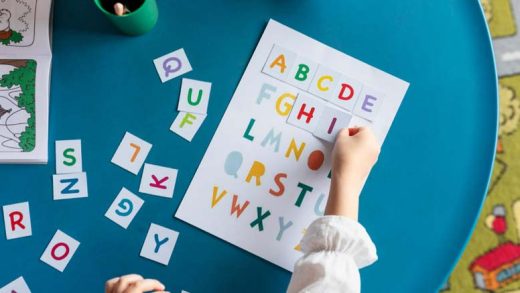
Before preschools and playgroups, many children learn their first words, their first rhymes, and their first counting games from their grandparents.
These lessons are often taught through songs, casual chats, and everyday chores.
It doesn’t feel like learning. But it is.
The role of grandparents in a child’s life includes laying the foundation for curiosity and language.
And it’s not just toddlers. Even older children pick up ideas around money, work, relationships, and fairness from how their grandparents live and speak.
They Offer Support to Parents
Let’s not forget this. The role of grandparents extends beyond children.
When grandparents are involved, parents get breathing room. Whether it’s a weekend off or just knowing someone is around to catch your child when they fall, it helps ease the load.
Children also benefit from this. When parents are less stressed, they are more present.
When Grandparents Live Far Away
Many families today live in different cities or countries. So, what happens when grandparents aren’t around physically?
There are still ways to stay connected.
Video calls can become storytime sessions. Children can send voice notes or drawings. Parents can talk about grandparents as part of daily life — “Your paati used to make this for me when I was your age.”
What matters is consistency.
Even small interactions can help children feel rooted.
What You Can Do
If you’re lucky enough to have grandparents in your child’s life, think about these questions:
- Are you giving your child enough time with them?
- Are you encouraging conversations between them?
- Are you making space for the slow, meaningful relationship they can build?
If your parents or in-laws are nearby, involve them in school projects, festival prep, or daily storytelling.
If they don’t live close by, assist your child by setting up regular video calls.
The role of grandparents in a child’s life is very crucial. It can be one of the most quietly strong partnerships they will ever have.
At Kangaroo Kids International Preschool, we believe that a child learns from every relationship. Our curriculum encourages connections — between child and teacher, child and parent, and wherever possible, child and grandparent.