When my daughter was four, she made a “kitchen” out of some boxes, bottle caps, and spoons. She mixed water and turmeric and told me it was tea. I smiled and thought—this is learning.
Not the kind from books or online learning tools for kids, but the kind that happens when a child is just being curious. I’m not a teacher. I’m just a parent who slowly realised that the best learning tools for kids are often sitting right there in the house—under the bed, inside drawers, in the kitchen. We just don’t notice them.
The Everyday Classroom
Kids have a wild imagination. A spoon becomes a drumstick. A bedsheet turns into a tent. A box becomes a car. What looks like a mess to us is actually their mind figuring things out.
When my daughter balances bowls or pours water between glasses, she’s not playing randomly. She’s testing ideas—balance, volume, motion—all those things she’ll later read about. Many of today’s online learning tools for kids try to bring back this kind of learning through activities, touch, and play. But this is how Indian homes have always worked.
Why It Works: Moving from Screen to Hand
Kids don’t remember what they’re told. They remember what they do. When they pour, stir, squeeze, or stack things, it connects in their head.
But you don’t really need to buy anything. Measuring cups, bottle caps, spoons, pegs—these are all hidden teachers. So many household items that can be used as toys can teach counting, sorting, sound, and texture. So if your child is making a pile of caps or stirring dal in an old bowl, let it be. They’re learning without even knowing it.
Look Around: The House Teaches
You don’t have to spend money. Everything is already there.
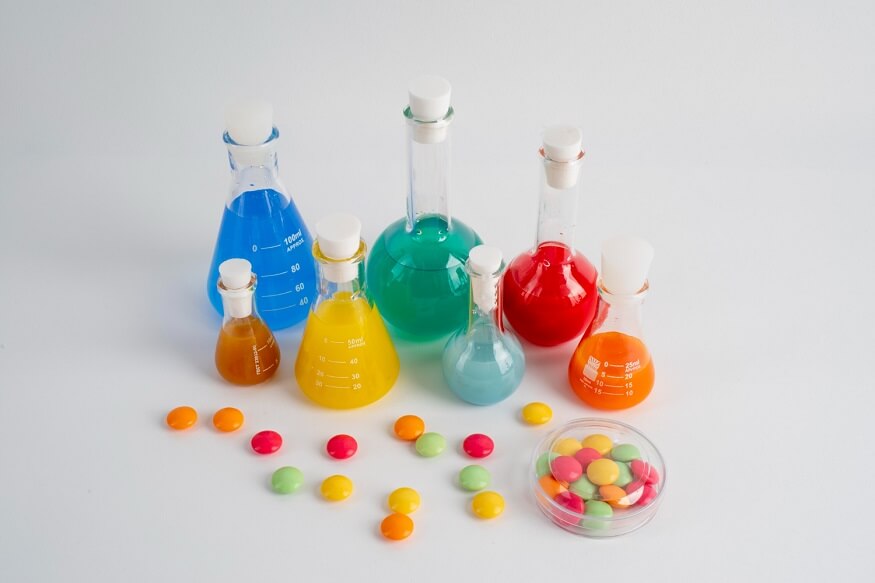
- Kitchen: Let them measure rice, pour water, and mix colors. It’s science and math right there.
- Living Room: Cushions turn into forts. Chairs become bridges. Play “find something round” or “spot something green.” It builds focus.
- Balcony or Garden: Give them seeds and a cup of water. Watching a plant grow teaches care and patience. No app can teach that feeling.
- Bathroom: Spoons, cups, bottles—drop them in water, see what floats or sinks. It’s real physics.
- Bedroom: Sorting clothes by size or folding towels builds order and small motor skills.
These are not chores. These are lessons.
The Indian Way of Learning
Indian homes are full of learning if we notice. The smells, colors, sounds—everything teaches.
Take the spice box. Show your child cumin, clove, pepper. Ask them which smells stronger. Talk about where they come from. That’s geography and sensory learning mixed.
Our household toys are better than imported ones. A steel tumbler makes a deeper sound than a glass. A broom shows motion. A sieve shows how filtering works. Even if you have no fancy gadgets, you have learning tools for kids right there.
Why Household Toys Matter
I’ve seen my daughter spend an entire afternoon with one cardboard box. It was a car, then a kitchen, then a house. Every few minutes, it became something new.
That’s problem-solving, storytelling, and independence—all hidden inside play. A spoon can be a microphone. A pillow can be a mountain. Even a rolling pin can be a telescope.
Household items that can be used as toys are not just fillers for time. They build imagination, patience, and focus—things no digital lesson can copy.
5 Simple Activities to Try at Home
If you want to start today, try these ideas:
1. Kitchen Math
Guess how many cups fill a bowl. Then test it.
2. Science from Water
Drop coins, leaves, or spoons. See what floats and what sinks.
3. Language from Newspapers
Cut out letters and make silly words.
4. Art from Waste
Paint with forks or bottle caps to create different textures.
5. Culture from Food
Talk about spices—Kerala pepper, Rajasthan cumin, Tamil Nadu rice. No worksheet can beat this.
Mixing Real and Digital Learning
This isn’t about rejecting online learning tools. They have their place. It’s just about balance.
If your child learns shapes online, show those shapes in real life. If they hear about animals, find them in books or on the street. Learning sticks when it moves from screen to hand.
Learning at Kangaroo Kids
At Kangaroo Kids International Preschool, this kind of learning is part of every day. Teachers use spoons, blocks, cloth, cups—normal things—to teach big ideas.
Every “why” is encouraged. Every small experiment is celebrated. If you want your child to grow curious, confident, and creative, Kangaroo Kids is that kind of place—where play is learning.
Contact us to know more about our unique curriculum.