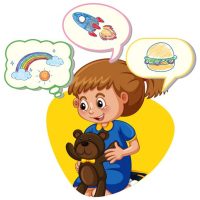
Young children experience emotions with great intensity. Joy can turn into tears within minutes, and small disappointments can feel overwhelming. For parents and educators in India, helping children understand and manage these “big feelings” is an essential part of early childhood development.
This process, known as emotional regulation, plays a critical role in a child’s growth. Yet learning how to regulate emotions is just as important as learning letters. We will explore what is emotional regulation, why it matters, and how families can support emotional regulation in preschoolers.
What Is Emotional Regulation?
To begin, it is crucial to understand what emotional regulation is. Emotional regulation refers to a child’s ability to recognise, understand, express, and manage their emotions in healthy ways.
For young children, emotional regulation is a skill that develops gradually. Preschoolers are still learning to:
- Name their feelings
- Cope with disappointment
- Manage anger or excitement
These abilities take patience and consistent support from adults.
Why Big Feelings Feel Bigger in Early Childhood
In preschool years, the emotional part of the brain develops faster than the part responsible for self-control. This is why children may cry easily or have tantrums. Recognising the importance of emotional regulation means accepting that big feelings are normal.
Emotional Regulation in Preschoolers: An Indian Perspective
In Indian families, children often grow up with multiple caregivers. While this provides security, it can lead to mixed messages about emotions. Supporting emotional regulation in preschoolers requires consistency and understanding across all caregivers.
The Importance of Emotional Regulation in Early Years
Building Social Skills
Children who develop strong emotional regulation are better able to share, resolve conflicts, and understand others’ feelings.
Supporting Learning and Focus
A child who is emotionally overwhelmed will find it challenging to learn. When children know how to regulate emotions, they are more open to engaging in activities.
Strengthening Mental Well-being
Early emotional skills act as protective factors. Understanding the importance of emotional regulation helps reduce anxiety and stress as children grow.
How to Help Kids Regulate Their Emotions
Name the Emotion
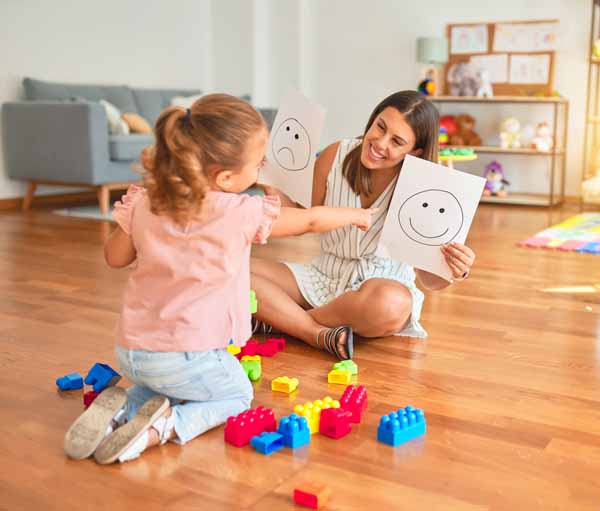
Teaching children words such as “angry,” “sad,” or “excited” helps them understand how they feel. This simple step supports emotional regulation in preschoolers.
Validate Feelings
Instead of dismissing emotions, acknowledge them by saying, “I see you’re upset”. Validation teaches children that emotions are acceptable.
Teach Simple Calming Techniques
Helping children learn how to regulate emotions can include deep breathing or counting slowly.
The Role of Parents and Teachers
Be a Calm Role Model
Children learn emotional responses by watching adults. When parents handle stress calmly, children learn to do the same.
Creating Emotionally Safe Classrooms
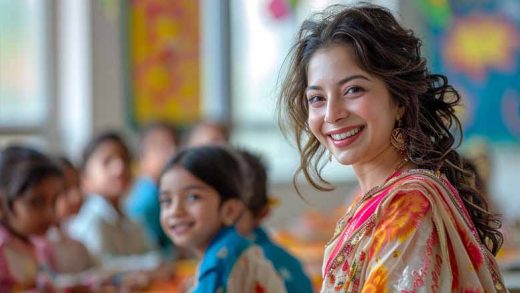
Teachers play a vital role in supporting emotional regulation in preschoolers. Emotionally safe classrooms include predictable routines and warm interactions.
Teaching Emotional Skills Through Play
Stories and role play are effective ways to explore emotions. These activities allow children to express feelings creatively.
Cultural Attitudes and Emotional Expression in India
In many Indian households, emotional restraint is valued. While self-control is necessary, children need permission to express emotions safely. Encouraging respectful expression helps children develop healthy coping skills.
Supporting Children Through Big Feelings
Big feelings are a natural part of childhood. By understanding what emotional regulation is and recognising the importance of emotional regulation, parents and educators can support children meaningfully.
Helping kids deal with big feelings is not about controlling emotions; it is about guiding them toward self-awareness. At Kangaroo Kids, we help children build emotional strength that supports them throughout life.